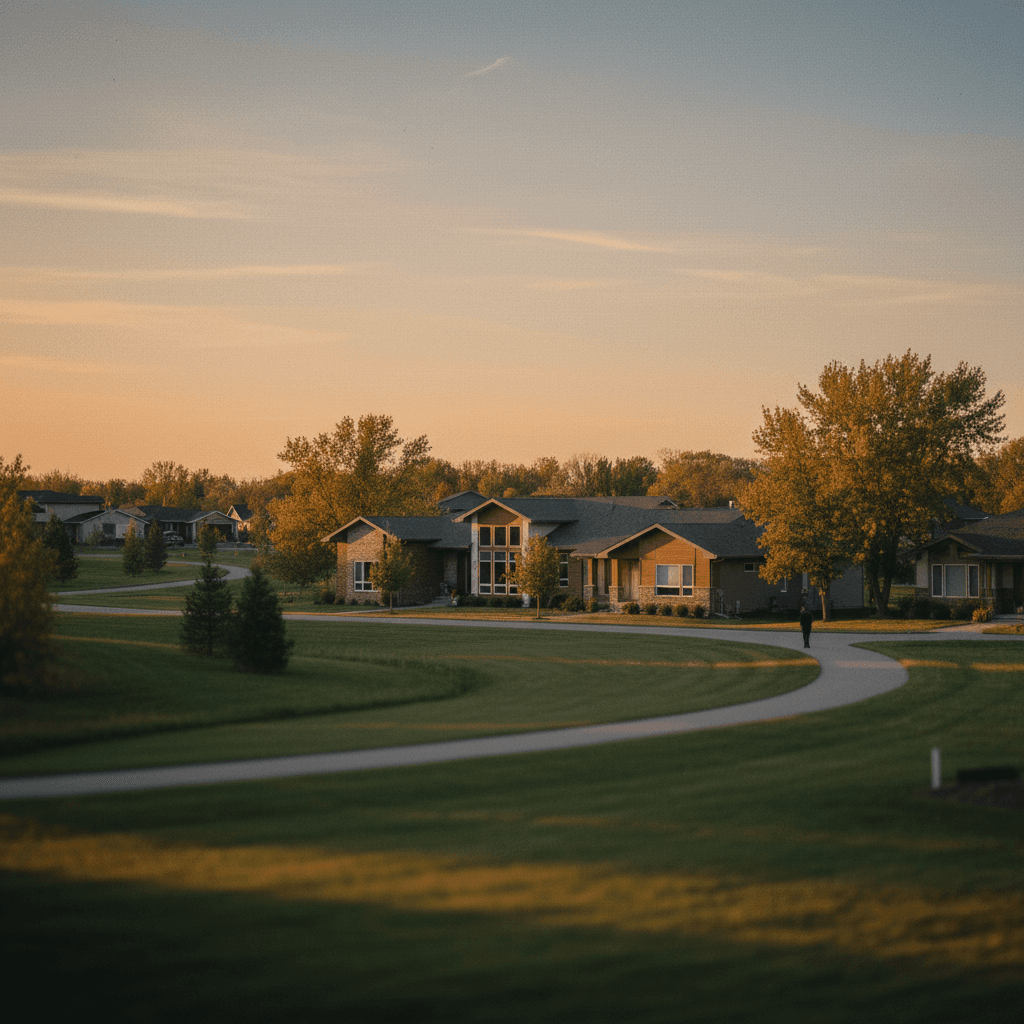
Buying your first home in East Grand Forks, MN, is an incredibly exciting journey! Imagine waking up in your own space, enjoying the vibrant community, and building a life in a place you love. While the prospect of homeownership is thrilling, it also comes with its share of legal and financial complexities. For many first-time buyers, terms like 'property taxes,' 'closing costs,' and 'title insurance' can feel like a foreign language. But don't worry, you're not alone! This guide is designed to demystify the legal and tax landscape of buying a home in East Grand Forks, making the process feel less daunting and more manageable. We'll break down the essentials into easy-to-understand steps, ensuring you feel confident and prepared as you embark on this significant life milestone. Learn more about Staging Your East Grand Forks Home: A Local Expert's Guide.

Demystifying Real Estate Law in East Grand Forks
Understanding the legal framework behind a home purchase is crucial. While the process might seem intricate, knowing the key documents and the roles of various professionals can provide immense peace of mind. East Grand Forks, like any community, operates under specific state and local real estate laws designed to protect both buyers and sellers. Learn more about Grand Forks, ND Real Estate: Legal & Tax Insights for....
The Cornerstone Documents: What to Expect
When you buy a home, you'll encounter several important legal documents. Think of these as the building blocks of your purchase agreement. The most significant one is the Purchase Agreement. This is the legally binding contract between you and the seller, outlining the terms of the sale, including the price, closing date, and any contingencies. Contingencies are conditions that must be met for the sale to proceed, such as a satisfactory home inspection or securing financing.
Another vital document is the Seller's Disclosure Statement. In Minnesota, sellers are generally required to disclose known material facts about the property that could affect its value or desirability. This document is a critical tool for buyers to understand the property's condition and potential issues before committing fully. Always review this carefully and ask questions about anything unclear. Finally, the Deed is the legal document that officially transfers ownership of the property from the seller to you at closing. It's a simple, yet powerful, piece of paper that signifies your new status as a homeowner.
When to Call for Legal Guidance
While Minnesota law allows for real estate closings to proceed without an attorney, having legal counsel can be incredibly beneficial, especially for first-time buyers or if your transaction involves unique circumstances. A local real estate attorney can review your purchase agreement, explain complex clauses, identify potential risks, and ensure your interests are fully protected throughout the process. They can also assist with understanding zoning laws or property easements specific to East Grand Forks. Firms like Riverbend Legal Group in the area can offer invaluable advice, helping you navigate any legal complexities with confidence.
Navigating Property Taxes in East Grand Forks
Property taxes are an unavoidable part of homeownership, but understanding how they work can help you budget effectively and avoid surprises. In East Grand Forks, your property taxes contribute to local services like schools, police, fire departments, and infrastructure maintenance, directly impacting the quality of life in our community.
How Your East Grand Forks Property Taxes are Calculated
Your property taxes in East Grand Forks are primarily based on two factors: the assessed value of your home and the local tax rates (often called 'mill rates'). The Polk County Assessor's Office is responsible for determining the market value of your property. This value is an estimate of what your home would sell for on the open market. From this market value, an assessed value is derived, which is then used in conjunction with the various tax levies set by the city of East Grand Forks, Polk County, and the local school district (East Grand Forks Public Schools). It's a multi-layered calculation, but the key takeaway is that changes in your property's value or changes in local spending can affect your annual tax bill.
For example, if the city decides to invest in a major infrastructure project, a portion of that cost might be reflected in a slight increase in the city's tax levy. Similarly, if your home's market value increases significantly due to improvements or a booming market, your assessed value and subsequent tax bill could also rise. Understanding this connection helps you appreciate where your tax dollars go and why they fluctuate.
Understanding Your Tax Statement and Potential Reliefs
When you receive your annual property tax statement, it can look quite dense. It typically breaks down where your tax dollars are allocated among different taxing authorities. For first-time homeowners in East Grand Forks, it's particularly important to understand the Minnesota Homestead Exclusion. If the property you purchase will be your primary residence, you may qualify for this exclusion, which reduces the taxable value of your home, thereby lowering your property tax bill. Make sure to apply for this at the Polk County Assessor's Office after you've moved in.
Another item to look out for on your tax statement is 'special assessments.' These are charges added to your property tax bill for specific improvements that directly benefit your property, such as new sidewalks, street paving, or sewer line upgrades. These are usually communicated by the City of East Grand Forks well in advance and can be a significant addition to your annual bill, so it’s wise to ask about any pending assessments before you buy. Keeping an eye on these details ensures you're fully prepared for all financial aspects of homeownership.
The East Grand Forks Closing Process: Your Journey to Homeownership
The closing process is the grand finale of your home-buying journey—the moment you officially become a homeowner! It's where all the legal and financial pieces come together. While it can feel like a flurry of paperwork, understanding the steps will make it a smooth experience in East Grand Forks.
Key Milestones from Offer to Closing Day
After your offer is accepted, several critical milestones typically occur before closing day. First, you'll likely conduct a home inspection. This is your opportunity to have a professional evaluate the property's condition and identify any major issues. Next, your lender will arrange for an appraisal to ensure the home's value supports the loan amount. This protects both you and the lender. Simultaneously, a title search will be conducted by a title company, such as Northern Plains Title Services, to verify that the seller has clear legal ownership of the property and that there are no outstanding liens or claims against it. While these steps are unfolding, your mortgage lender, perhaps Grand Forks Community Bank, will be working to finalize your loan approval, a process known as underwriting. Each of these steps is vital for a secure and successful closing.
Closing Costs and Final Paperwork
Closing day involves signing a stack of documents and paying various closing costs. These costs are fees associated with the home purchase, typically ranging from 2% to 5% of the loan amount, and they cover services like loan origination fees, appraisal fees, title insurance, recording fees, and attorney fees. Three business days before closing, your lender will provide you with a Closing Disclosure (CD), which details all the final loan terms, projected monthly payments, and all closing costs. It’s crucial to compare this CD with the Loan Estimate you received earlier to ensure there are no unexpected changes.
At the closing table, you'll sign the promissory note (your promise to repay the loan), the mortgage or deed of trust (giving the lender a claim against the home if you don't repay), and, as mentioned, the deed. A representative from the title company or your attorney will guide you through each document, explaining its purpose. Once all documents are signed and funds are disbursed, the deed is recorded with Polk County, and you officially receive the keys to your new East Grand Forks home!

Safeguarding Your East Grand Forks Home and Future
Becoming a homeowner isn't just about the purchase; it's also about protecting your investment and ensuring your peace of mind for years to come. Two crucial elements in this protection are homeowner's insurance and title insurance.
Essential Homeowner's Insurance Coverage
Homeowner's insurance is a non-negotiable part of buying a home; your lender will require it. But beyond that, it's your financial safeguard against unforeseen events. A standard policy typically covers damage to your home and personal belongings from perils like fire, theft, and certain natural disasters. It also includes liability coverage, protecting you if someone is injured on your property. However, it’s important to note that standard policies usually do not cover damage from floods or earthquakes, which require separate policies. Given East Grand Forks' proximity to the Red River, exploring flood insurance options is often a wise consideration, even if not strictly required by your lender. Working with a local insurance agent, such as Red River Valley Insurance, can help you tailor a policy that fits your specific needs and budget, ensuring you have adequate protection for your new home.
The Importance of Title Insurance
While a title search identifies any known issues with a property's title before you buy, title insurance provides protection against *hidden* defects that might emerge after closing. These could include errors in public records, forged documents, undisclosed heirs, or previously unknown liens. There are two main types of title insurance: a Lender's Policy and an Owner's Policy. Your lender will require a Lender's Policy to protect their investment, but an Owner's Policy, while optional, is highly recommended. It protects *your* equity and your right to the property should a claim against the title arise in the future. It’s a one-time fee paid at closing that offers lasting protection for your significant investment in your East Grand Forks home.
Local Regulations and Community Living in East Grand Forks
Beyond the core legal and tax matters, understanding local regulations and how they impact your daily life as a homeowner in East Grand Forks is important. This helps ensure your homeownership journey is smooth and compliant with community standards.
Zoning, Permits, and Renovations
If you plan on making significant changes or additions to your new home, you’ll need to be aware of East Grand Forks’ zoning ordinances and permit requirements. Zoning laws dictate how properties can be used (e.g., residential, commercial) and often include rules regarding setbacks, building heights, and property density. Before embarking on any major renovation project, such as adding a deck, finishing a basement, or building an extension, you’ll likely need to obtain the necessary permits from East Grand Forks City Hall. This ensures that your project meets safety codes and local regulations. Failing to secure permits can lead to fines, difficulties when selling your home, and even the requirement to undo unapproved work. It’s always best to check with the city’s planning and zoning department early in your planning process.
Understanding Homeowners Associations (HOAs)
While not every home in East Grand Forks is part of a Homeowners Association (HOA), if you purchase a property in a planned community, condominium, or certain newer developments, you might find yourself in one. HOAs are organizations that create and enforce rules for properties and residents within their jurisdiction. These rules, known as Covenants, Conditions, and Restrictions (CC&Rs), can govern everything from exterior paint colors and landscaping to parking and pet policies. HOAs typically charge monthly or annual fees to cover the maintenance of common areas, amenities, and administrative costs. Before buying a home in an HOA community, it's crucial to thoroughly review the HOA's documents, including the CC&Rs, bylaws, and financial statements, to understand your rights, responsibilities, and any potential restrictions on your lifestyle. Your real estate agent, perhaps from EGF Home Search Realty, can help you get these documents.
Conclusion
Becoming a homeowner in East Grand Forks is a monumental achievement, and while the legal and tax aspects might seem complex at first, they are entirely manageable with the right information and support. By understanding the key documents, knowing how property taxes are calculated, navigating the closing process, and safeguarding your investment with insurance, you're not just buying a house; you're laying a solid foundation for your future in this wonderful community. Remember, you don't have to go through this alone. Lean on trusted professionals—your real estate agent, lender, attorney, and title company—who are there to guide you every step of the way. Welcome home to East Grand Forks!
Frequently Asked Questions
Do I need a real estate attorney to buy a home in East Grand Forks, MN?
While Minnesota law doesn't strictly require an attorney for residential real estate closings, it is highly recommended, especially for first-time buyers. An attorney can review complex contracts, ensure your interests are protected, and explain legal nuances specific to East Grand Forks, offering invaluable peace of mind during a significant transaction.
How are property taxes calculated in East Grand Forks, and what is the Homestead Exclusion?
Property taxes in East Grand Forks are calculated based on your home's assessed market value (determined by the Polk County Assessor's Office) and the local tax rates set by the city, county, and school district. The Minnesota Homestead Exclusion is a property tax reduction program that lowers the taxable value of your home if it is your primary residence. You must apply for this exclusion after purchasing and moving into your home to receive the benefit.
What are typical closing costs for a home in East Grand Forks?
Closing costs for a home in East Grand Forks typically range from 2% to 5% of the loan amount. These fees cover various services and expenses, including loan origination fees, appraisal fees, title insurance, recording fees, and potentially attorney fees. Your lender will provide a detailed Closing Disclosure (CD) three business days before closing, outlining all these costs.
Is flood insurance necessary for homes in East Grand Forks?
East Grand Forks is situated near the Red River, making flood insurance a significant consideration, even if your specific property is not in a high-risk flood zone. While standard homeowner's insurance policies do not cover flood damage, your lender may require flood insurance if your home is in a designated flood plain. It's always wise to assess your risk and discuss options with a local insurance agent to ensure comprehensive protection.
What should I know about Homeowners Associations (HOAs) if I'm buying in East Grand Forks?
If you purchase a home in a planned community or certain developments in East Grand Forks, it might be part of an HOA. HOAs enforce rules (CC&Rs) regarding property aesthetics, common area usage, and amenities, and they charge fees to cover maintenance and administration. It's crucial to review the HOA's documents and financial health thoroughly before buying to understand your obligations and any restrictions on your property.
Need help with your real estate journey?
Our team is here to help you navigate the market with confidence.