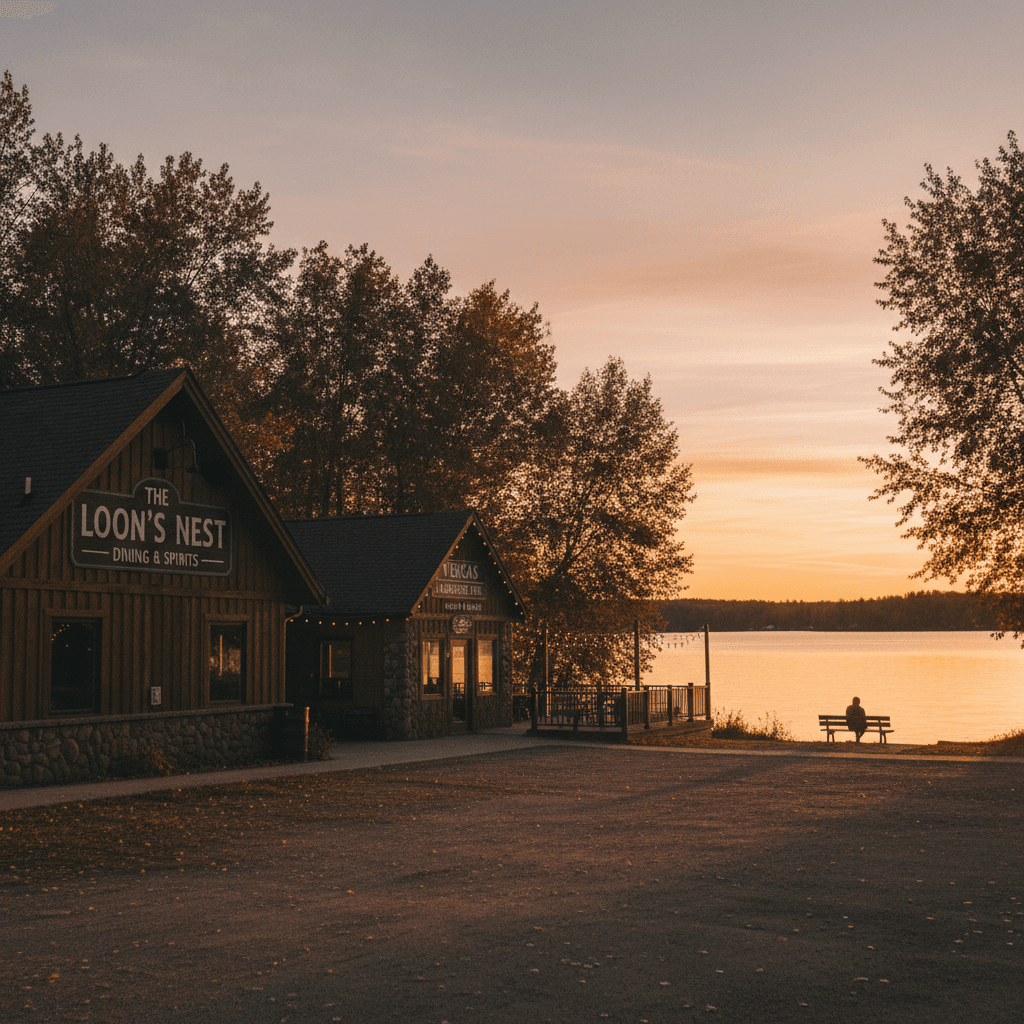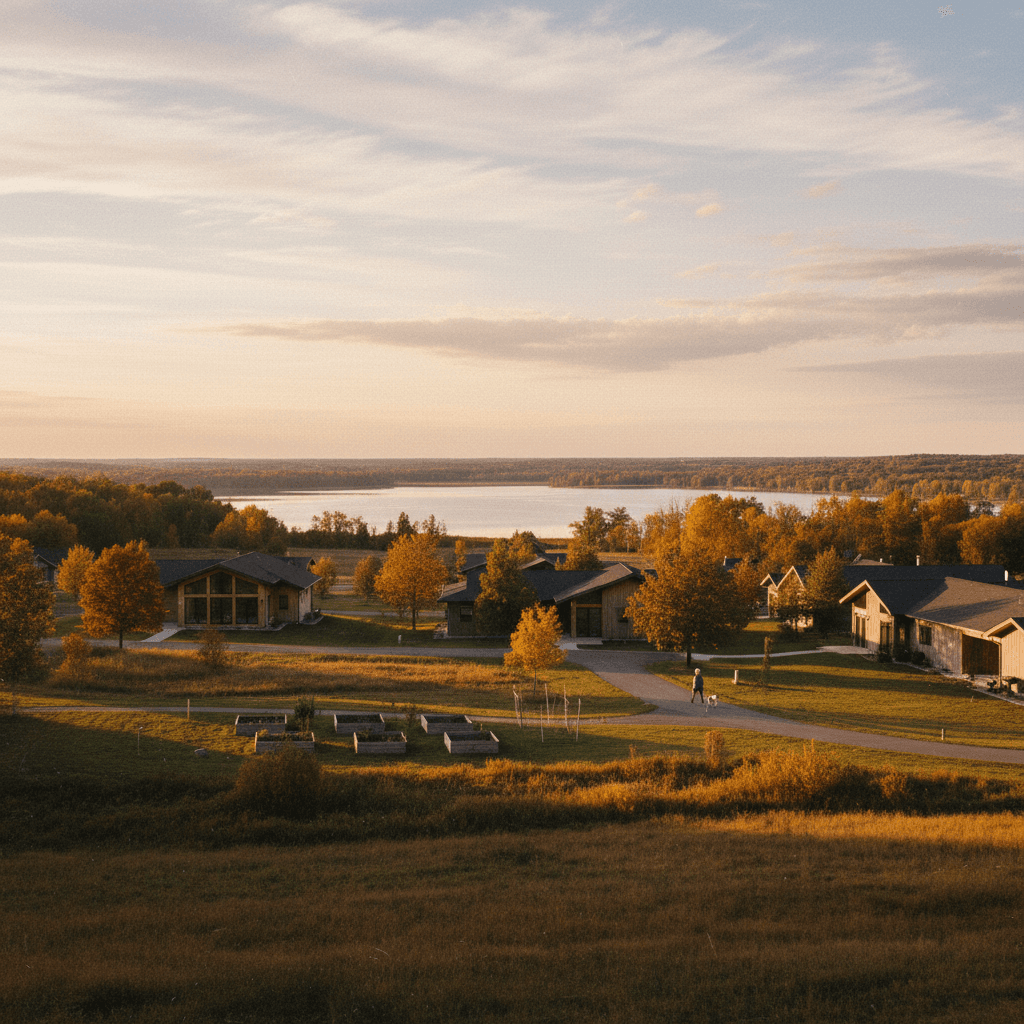
Retirement marks a significant life transition, often accompanied by a re-evaluation of living arrangements and financial priorities. For many, the serene landscape of Ottertail, Minnesota, offers an idyllic setting to embrace these golden years. However, making the move to senior living or downsizing in Ottertail requires careful financial planning and a deep understanding of the local market dynamics. As a market analyst, my goal is to provide a comprehensive, data-driven guide to navigating the financial considerations involved in senior living and downsizing within this charming lakeside community. We will explore strategies to maximize assets, understand local costs, and secure a financially sound future in Ottertail. Learn more about Senior Living in Ottertail, MN: Community News and....

The Evolving Landscape of Retirement in Ottertail, MN
Ottertail, with its picturesque lakes and tight-knit community, has long been a desirable location for retirees seeking tranquility and a slower pace of life. This appeal, however, is increasingly influencing the local real estate and service markets, creating a unique financial landscape for seniors. Understanding these shifts is crucial for effective retirement planning. Learn more about Smart Financial Habits for New Homeowners in Ottertail, MN.
Demographic Shifts and Local Market Dynamics
Minnesota, like the rest of the nation, is experiencing a significant demographic shift, with its senior population growing steadily. In Ottertail County, individuals aged 65 and older constitute a notable percentage of the total population, a trend that is projected to continue. This aging demographic fuels demand for senior-specific housing, healthcare, and support services, which in turn impacts local costs. While specific micro-market data for Ottertail can be nuanced, general trends indicate that properties suitable for downsizing, particularly those with accessibility features or proximity to town amenities, often command strong interest. The median home value in Ottertail County has seen a steady appreciation over the past decade, influenced by both local demand and broader regional market forces. For instance, data from the Minnesota Association of Realtors shows a consistent upward trajectory in property values across similar rural lake communities, often outpacing national averages in specific segments. Learn more about Downsizing to Ottertail, MN: A Real Estate Guide for Seniors.
Understanding the Cost of Living in Ottertail for Retirees
While Ottertail offers a more affordable cost of living compared to major metropolitan areas, it's essential to dissect where expenses lie for retirees. Housing, even for smaller, more manageable properties, remains a primary expenditure. Property taxes, while generally lower than in urban centers, still constitute a significant ongoing cost. Utilities, especially heating during Minnesota's colder months, can also be substantial. Beyond housing, transportation, groceries, and healthcare are key budget categories. According to various cost of living indices, Minnesota's overall cost of living hovers slightly above the national average, primarily driven by housing and healthcare in its major cities. However, in communities like Ottertail, housing and transportation costs tend to be more favorable, though healthcare and certain services might reflect rural access premiums. A careful budgeting process, factoring in these specific local nuances, is paramount for financial stability in retirement. Learn more about Living in Ottertail, MN: Why Homebuyers Are Flocking to....
Financial Strategies for Downsizing: Maximizing Your Assets
Downsizing is often a cornerstone of financial planning for retirement, offering the dual benefits of reducing living expenses and potentially unlocking significant equity from a larger family home. In Ottertail's current market, this strategy holds considerable promise.
Evaluating Your Current Home's Value and Sale Potential
For many retirees, their primary residence represents their largest asset. Accurately assessing its market value is the first critical step in a downsizing strategy. The real estate market in Ottertail, characterized by its seasonal appeal and limited inventory, can be dynamic. Factors such as lake proximity, property condition, and recent comparable sales significantly influence valuation. Engaging a local real estate expert, such as the Ottertail Real Estate Group, can provide an invaluable, data-backed appraisal. Their insights into local buyer demand, preferred features for senior-friendly homes, and current market trends are crucial. For example, homes with single-level living, minimal maintenance requirements, and proximity to town amenities tend to be highly sought after by downsizers. A strategic sale can often yield substantial capital, which can then be reinvested or used to fund other retirement needs. Learn more about Building Wealth: A Strategic Guide to Buying Investment....
The Financial Benefits and Challenges of Downsizing
The financial benefits of downsizing are multifaceted. A smaller home typically means lower property taxes, reduced utility bills, and less money spent on maintenance and repairs. The equity released from the sale of a larger home can be a game-changer, providing funds for a new, smaller residence, bolstering retirement savings, or creating an emergency fund. For instance, if a homeowner sells a property for $400,000 and purchases a smaller home for $250,000, the $150,000 difference, after accounting for selling costs and taxes, can significantly enhance financial liquidity. However, challenges exist. The emotional attachment to a long-term home can be difficult to overcome. Furthermore, transaction costs, including real estate commissions, closing costs, and potential moving expenses, must be factored into the financial equation. It is also important to consider capital gains taxes if the profit from the sale exceeds the IRS exclusion limits (currently $250,000 for single filers and $500,000 for married couples filing jointly, provided certain conditions are met). Careful planning with a financial advisor can help mitigate these challenges and maximize the financial upside.
Exploring Senior Living Options and Their Costs in Ottertail
Beyond traditional homeownership, Ottertail offers various senior living options, each with distinct financial implications. Understanding these choices is key to matching lifestyle preferences with financial capabilities.
Independent Living vs. Assisted Living: A Financial Comparison
Independent living communities cater to active seniors who desire a maintenance-free lifestyle with access to social activities and amenities, but require minimal to no daily assistance. These often involve a monthly fee that covers housing, utilities, meals, and community programs. Costs can vary widely based on the size of the unit and the range of services offered. For example, a one-bedroom independent living apartment in a Minnesota community might range from $2,500 to $4,500 per month. Assisted living, on the other hand, provides a higher level of care, including assistance with activities of daily living (ADLs) such as bathing, dressing, and medication management. The financial outlay for assisted living is consequently higher, often ranging from $4,000 to $7,000+ per month in Minnesota, depending on the level of care required and the facility's amenities. These costs are typically paid out-of-pocket, though some long-term care insurance policies or veteran benefits may cover a portion. While Ottertail itself may have limited dedicated assisted living facilities, nearby larger towns like Perham or Fergus Falls offer a broader spectrum of choices, which residents of Ottertail often utilize, requiring consideration of travel and accessibility.
Funding Mechanisms for Long-Term Care
Long-term care costs represent one of the most significant financial challenges for seniors. While Medicare covers short-term skilled nursing care, it does not typically cover custodial long-term care. Therefore, alternative funding mechanisms are essential. Personal savings, including annuities, IRAs, and 401(k)s, are primary sources. Long-term care insurance (LTCI) is another critical tool, designed to cover the costs of assisted living, home health care, and nursing home care. However, LTCI policies can be expensive, and it's generally advisable to purchase them earlier in life when premiums are lower. Reverse mortgages can also be an option for homeowners who wish to convert a portion of their home equity into cash without selling the home, though these come with their own set of financial considerations and fees. Additionally, some veterans and their spouses may be eligible for Aid and Attendance benefits through the Department of Veterans Affairs, which can help offset the costs of long-term care. Exploring these options with a qualified financial advisor, such as those at Maple Street Financial Advisors, can help clarify the best approach for individual circumstances.
Navigating Healthcare Costs and Insurance in Retirement
Healthcare expenses are a major concern for retirees, and proper planning is vital to ensure access to necessary care without depleting savings. The landscape of healthcare in retirement is complex, particularly in rural areas like Ottertail.
Understanding Medicare, Supplements, and Long-Term Care Insurance
Medicare is the federal health insurance program for people 65 or older. It consists of Part A (hospital insurance), Part B (medical insurance), Part C (Medicare Advantage, an all-in-one alternative to Original Medicare), and Part D (prescription drug coverage). While Medicare covers a significant portion of healthcare costs, it does not cover everything, leaving beneficiaries responsible for deductibles, co-payments, and co-insurance. Many retirees choose to purchase a Medicare Supplement Insurance (Medigap) policy to cover these gaps. These policies are sold by private companies and help pay for out-of-pocket costs not covered by Original Medicare. As mentioned, Long-Term Care Insurance (LTCI) is separate and specifically designed to cover extended care needs not covered by Medicare. The average annual cost of a semi-private room in a nursing home in Minnesota can exceed $100,000, making LTCI a critical consideration for protecting assets against catastrophic care costs. Understanding the nuances of these plans and enrolling during appropriate windows (e.g., initial Medicare enrollment period) is crucial to avoid penalties and ensure comprehensive coverage.

Accessing Local Healthcare Resources and Managing Expenses
While Ottertail is a smaller community, residents have access to local healthcare services and are often within a reasonable distance of larger medical centers. The Ottertail Medical Clinic serves as a primary point of care for many residents, offering general practice services. For prescription needs, the Ottertail Pharmacy provides convenient access to medications and pharmaceutical advice. For specialized care or hospital services, larger facilities in nearby Perham or Fergus Falls are readily accessible. Managing healthcare expenses involves more than just insurance. It also includes preventative care, taking advantage of wellness programs, and actively managing chronic conditions. Many communities offer senior wellness programs, and some insurance plans may incentivize healthy living. Additionally, comparing prescription drug costs, utilizing generic alternatives, and seeking assistance programs for high-cost medications can significantly reduce out-of-pocket expenses. Proactive engagement with healthcare providers and a clear understanding of your insurance benefits are paramount.
Estate Planning and Long-Term Financial Security
A comprehensive financial plan for retirement in Ottertail extends beyond immediate living expenses to encompass long-term security and legacy planning. Estate planning ensures that your assets are distributed according to your wishes and can minimize tax burdens for your heirs.
The Importance of Wills, Trusts, and Power of Attorney
Estate planning is not solely for the wealthy; it is a critical component of financial security for every retiree. A legally sound will ensures that your assets are distributed as you intend, avoiding potential family disputes and the lengthy, costly process of probate. Trusts, particularly revocable living trusts, can offer additional benefits, such as avoiding probate, providing privacy, and allowing for more complex asset management and distribution strategies. For instance, a trust can be established to provide for a spouse, children, or even charitable organizations, with specific conditions or timelines attached. Equally important are powers of attorney: a durable power of attorney for finances grants a trusted individual the authority to manage your financial affairs if you become incapacitated, while a healthcare power of attorney (or healthcare directive) empowers someone to make medical decisions on your behalf. Without these documents, critical decisions may fall to the courts, potentially against your wishes. Consulting with legal professionals specializing in elder law, often in conjunction with financial advisors, is highly recommended to tailor these documents to your specific needs and Minnesota state laws.
Protecting Your Assets and Legacy for Future Generations
Beyond legal documents, protecting your assets involves strategic financial management. This includes reviewing beneficiary designations on retirement accounts (IRAs, 401(k)s) and life insurance policies, as these supersede wills. Regularly updating these designations is crucial, especially after life events like marriage, divorce, or the birth of grandchildren. Gifting strategies, while subject to IRS rules, can also be a way to transfer wealth during your lifetime, potentially reducing estate taxes. For example, individuals can gift up to a certain annual exclusion amount (currently $18,000 per recipient per year in 2024) without incurring gift tax or affecting their lifetime gift tax exemption. Furthermore, exploring tax-efficient investment strategies, such as Roth conversions or tax-loss harvesting, can help preserve wealth. Engaging with local financial institutions like Ottertail Savings & Loan, which offers wealth management services, can provide personalized guidance on these complex matters, ensuring your financial legacy is secure and aligned with your long-term goals.
Local Resources and Community Support for Seniors in Ottertail
While financial planning is paramount, a fulfilling retirement also hinges on community engagement and access to local support. Ottertail offers several resources that can enhance the quality of life for seniors, often with financial implications.
Connecting with Local Financial and Legal Expertise
For detailed financial and legal guidance tailored to your specific situation, local experts are invaluable. Ottertail and its surrounding communities host professionals who understand the nuances of Minnesota law and the local economic landscape. Maple Street Financial Advisors, for instance, can provide specialized advice on retirement planning, investment management, and long-term care financing. Similarly, local attorneys can assist with estate planning, wills, trusts, and other legal matters pertinent to seniors. Leveraging these local resources ensures that your plans are compliant with state regulations and optimized for the Ottertail context. Many professionals offer initial consultations, providing an opportunity to assess their expertise and fit without immediate financial commitment.
Community Programs and Activities Enhancing Retirement Life
A vibrant social life and access to community support significantly contribute to overall well-being in retirement, often with indirect financial benefits by promoting health and reducing isolation. The Lakeside Senior Center, for example, serves as a hub for activities, educational programs, and social gatherings for seniors in the Ottertail area. These programs can range from fitness classes to craft groups, offering opportunities for engagement and companionship. Many centers also provide resources on healthcare, nutrition, and financial literacy, sometimes at no cost or for a nominal fee. Local churches and civic organizations also frequently offer volunteer opportunities and social events. Even local businesses, like The Otter's Nest Cafe, serve as community gathering spots, fostering connection. Furthermore, access to public spaces like Ottertail Lake Park promotes physical activity and mental well-being, which are crucial for maintaining health and reducing potential future healthcare costs. Engaging with these community resources not only enriches life but can also provide cost-effective alternatives to private services and support networks.
Conclusion
Financially preparing for retirement and senior living in Ottertail, MN, is a multi-faceted endeavor that demands careful consideration, proactive planning, and a data-driven approach. From understanding local market dynamics and maximizing assets through downsizing to navigating complex healthcare costs and establishing a robust estate plan, each step is crucial for securing a comfortable and fulfilling retirement. Ottertail offers a unique blend of natural beauty and community charm, making it an attractive destination for seniors. By leveraging local financial and legal expertise, engaging with community resources, and making informed decisions, retirees can confidently embrace their golden years, ensuring financial security and peace of mind in this beautiful Minnesota locale. The journey into retirement is an evolution, and with strategic financial planning, it can be a truly golden chapter in Ottertail.
Frequently Asked Questions
What are the average costs of senior living in Ottertail, MN?
While specific facilities in Ottertail are limited, independent living options in the broader region can range from $2,500-$4,500 per month, and assisted living from $4,000-$7,000+ per month, depending on services and care levels. These costs are influenced by the local market and the specific amenities provided by each facility.
How can I best financially prepare for downsizing in Ottertail?
Start by getting a professional valuation of your current home from a local real estate expert. Evaluate potential equity release against moving and new home purchase costs. Consider the impact of property taxes, utilities, and maintenance on a smaller home, and budget for any capital gains taxes. Consulting a financial advisor for a comprehensive plan is highly recommended.
Are there local financial advisors in Ottertail specializing in retirement planning?
Yes, Ottertail and its surrounding communities offer financial advisors specializing in retirement planning and wealth management. Firms like Maple Street Financial Advisors provide expertise on investment strategies, long-term care financing, and estate planning tailored to the needs of seniors in the region.
What government programs are available to help seniors with living costs in Minnesota?
Minnesota offers various state and federal programs. Seniors may be eligible for property tax refunds, energy assistance programs, and prescription drug assistance. Medicare provides health coverage, and some low-income seniors may qualify for Medicaid (Medical Assistance in MN) for long-term care. Veterans may also access specific benefits. It's advisable to check with the Minnesota Board on Aging or local county services for detailed eligibility and application processes.
How does the Ottertail real estate market impact downsizing decisions?
The Ottertail real estate market, characterized by its seasonal demand and often limited inventory, can present opportunities for sellers. Homes suitable for downsizing, especially those with accessibility and low maintenance, are often in demand. Understanding current property values, sales trends, and the types of homes appealing to senior buyers is crucial for a successful and financially beneficial downsizing strategy.
Need help with your real estate journey?
Our team is here to help you navigate the market with confidence.