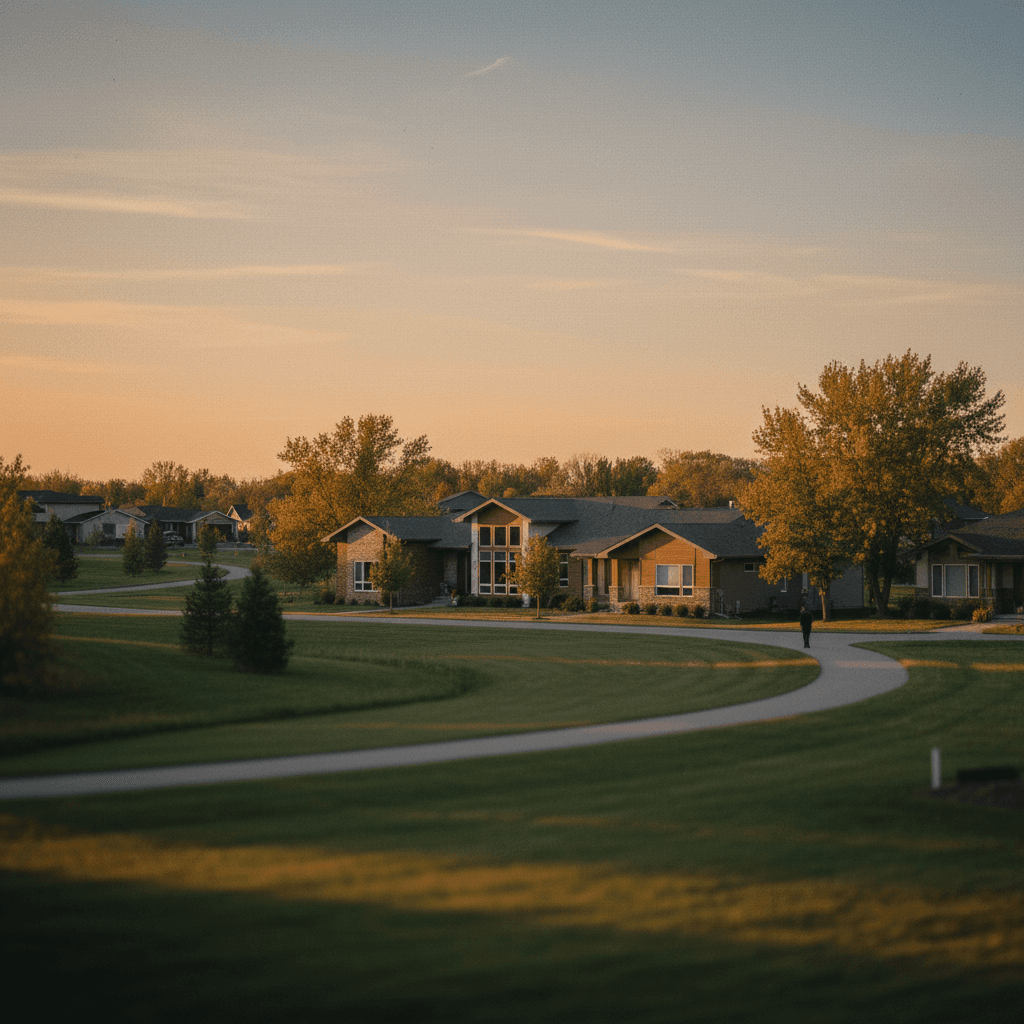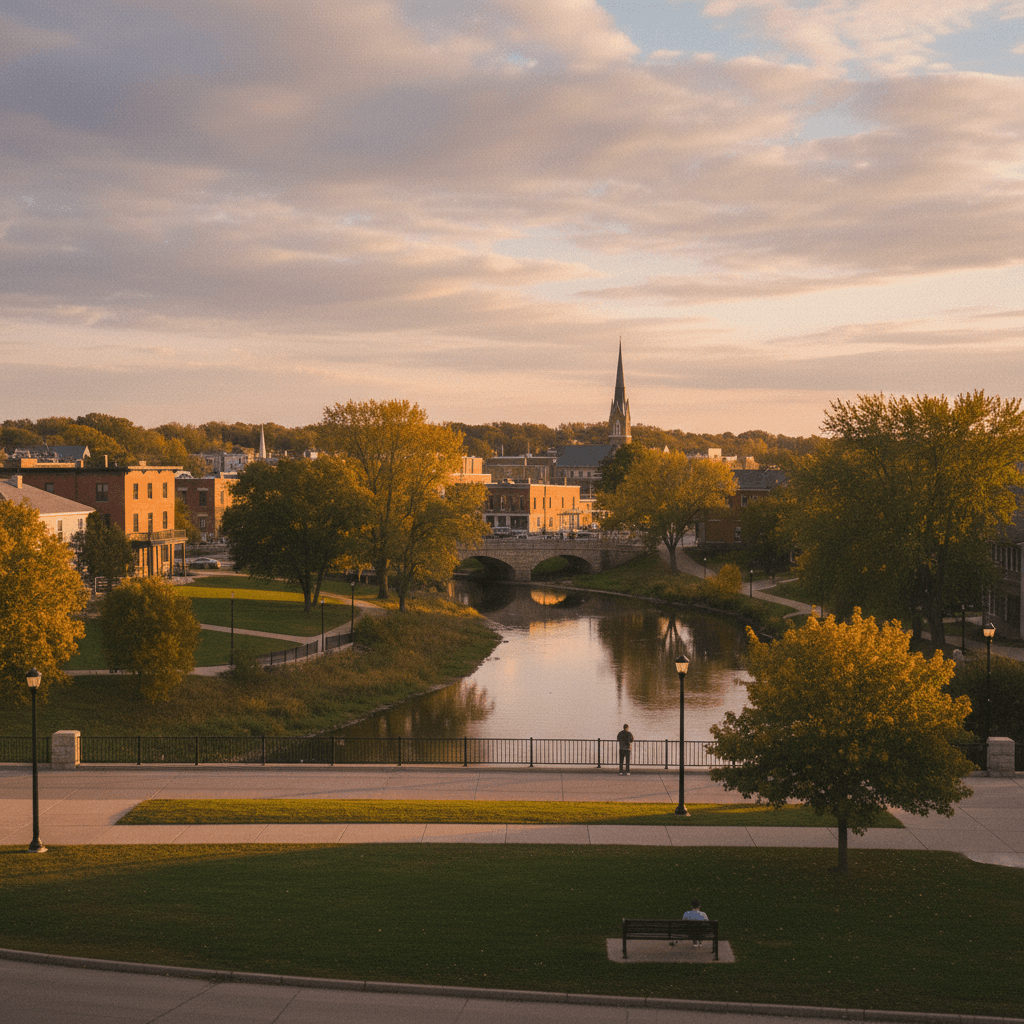
Grand Forks, North Dakota, represents a dynamic and often resilient real estate market. For both prospective homeowners and astute investors, understanding the intricate financial landscape of this vibrant city is paramount. This comprehensive market report delves into the key economic indicators, property value trends, and investment opportunities shaping Grand Forks' real estate sector. We aim to provide a data-driven analysis that offers clarity and strategic insights, helping you make informed decisions in a market influenced by a robust local economy and a strong sense of community. From the impact of the University of North Dakota on rental demand to the stability provided by employers like Altru Health System, Grand Forks offers a unique blend of stability and growth potential.

Grand Forks Market Overview: Economic Pillars and Current Trends
The Grand Forks real estate market is intrinsically linked to the city's economic health, driven by a diverse set of industries that foster stability and growth. A thorough understanding of these foundational elements is crucial for any market analysis. Learn more about Grand Forks Schools & Education: A Guide for Families.
Key Economic Indicators in Grand Forks
Grand Forks benefits from a robust economic base, with education, healthcare, and aerospace sectors playing significant roles. The presence of the University of North Dakota, a flagship institution with over 13,000 students, faculty, and staff, acts as a powerful economic engine. Its constant influx of students supports the rental market and contributes to a vibrant local economy. Furthermore, the university's research and development initiatives often attract new businesses and talent to the area, indirectly boosting property demand. Similarly, Altru Health System, a leading regional healthcare provider, is one of the largest employers in the region, offering stable, high-paying jobs that underpin housing demand and contribute to a resilient local economy. The Grand Forks Air Force Base also provides a consistent economic presence, ensuring a steady demand for housing, both rental and purchased, from military personnel and their families. These institutions collectively provide a strong employment base, which is a critical factor in maintaining a healthy housing market, influencing everything from median home prices to days on market.
Residential Sales Volume and Price Trends
Analyzing residential sales volume and price trends provides a snapshot of market activity and investor sentiment. Over the past year, Grand Forks has seen a consistent, albeit measured, appreciation in home values. While not experiencing the dramatic spikes seen in some larger metropolitan areas, Grand Forks' market has demonstrated steady growth, often outperforming national averages in terms of stability. For instance, recent data indicates a median home price increase of approximately 4-6% year-over-year, alongside a sales volume that remains robust, reflecting sustained buyer interest. The number of active listings has remained relatively tight, contributing to a competitive environment for well-priced properties. This balance between demand and supply has prevented significant market volatility, making Grand Forks an attractive option for those seeking predictable returns and a less speculative market. Average days on market have hovered around 45-60 days, suggesting a healthy pace of transactions without excessive pressure on buyers or sellers. Learn more about Grand Forks, ND Real Estate: Legal & Tax Insights for....
Residential Property Values and Investment Potential
Delving deeper into the Grand Forks real estate market reveals distinct characteristics across different property types and neighborhoods, offering varied opportunities for homeowners and investors alike. Learn more about Fargo Real Estate Market Report: Your Guide to Buying.
Single-Family Home Market Dynamics
The single-family home market in Grand Forks continues to be the backbone of the residential sector. Desirable neighborhoods, particularly those with access to top-rated schools and amenities, command premium values. For example, areas zoned for Red River High School are consistently sought after by families, often resulting in quicker sales and higher price-per-square-foot metrics. These areas benefit from a strong community feel and access to excellent educational programs, directly impacting property valuations. Data shows that homes in these prime locations often see multiple offers, especially in the entry to mid-level price points ($200,000 - $350,000). The architectural styles vary, from charming older homes in established areas to newer constructions on the city's expanding fringes. The stability of employment from major local institutions ensures a consistent pool of potential buyers, supporting sustained demand for single-family residences. Furthermore, the relatively low property taxes compared to other states in the region add to the overall affordability and attractiveness for long-term homeownership.
Multi-Family and Rental Market Insights
The multi-family and rental market in Grand Forks is heavily influenced by the presence of the University of North Dakota and the Grand Forks Air Force Base. Student housing near UND creates a significant demand for apartments, duplexes, and smaller multi-family units, particularly during academic cycles. This segment offers attractive yields for investors, with consistent occupancy rates and steady rental income streams. While vacancy rates can fluctuate slightly with the academic calendar, the overall trend points to a strong rental market. Beyond student housing, there's also a robust demand for rental properties catering to young professionals, military personnel, and families who prefer the flexibility of renting. Average rental rates for a two-bedroom apartment typically range from $850 to $1,200, depending on location, amenities, and property age. Investors keen on the multi-family sector should consider properties close to key employment hubs and educational institutions for optimal returns. The city's ongoing growth and development projects also signal continued demand for rental units, making it an appealing area for those looking to diversify their real estate portfolio.
Understanding Affordability and Mortgage Landscape in Grand Forks
For many, the ability to finance a home purchase is as critical as the property's market value. Grand Forks presents an interesting case study in affordability, balancing local income levels with prevailing interest rates.
Current Mortgage Rate Environment and Local Impact
The national mortgage rate environment inevitably influences local markets, and Grand Forks is no exception. As interest rates have fluctuated, the purchasing power of buyers has been directly affected. While higher rates can cool demand, Grand Forks' relatively stable home prices mean that the impact is often less dramatic than in more volatile markets. Local lenders report a sustained interest in fixed-rate mortgages, with buyers seeking predictability in their monthly payments. First-time homebuyers, in particular, are keenly watching rate movements, often utilizing FHA or VA loan programs that offer lower down payment options. It's crucial for prospective buyers to work with local mortgage professionals who understand the unique aspects of the Grand Forks market, including local grant programs or lender incentives that may be available. The current environment necessitates a proactive approach to pre-approval, allowing buyers to move swiftly when the right property becomes available.

Affordability Index in Grand Forks
Compared to larger metropolitan areas and even some regional cities, Grand Forks maintains a strong affordability index. This means that a larger percentage of the local population can comfortably afford homeownership based on median income levels and median home prices. This affordability is a significant draw for individuals and families seeking a high quality of life without the exorbitant housing costs found elsewhere. While national housing affordability has been challenged by rising prices and interest rates, Grand Forks has largely retained its accessibility. This is evident in the strong demand for homes in the $200,000 to $350,000 range, which represents a sweet spot for many local households. The city's diverse employment opportunities, coupled with manageable housing costs, contribute to its appeal as a place to live, work, and raise a family. Amenities like Lincoln Park, offering year-round recreation, further enhance the value proposition of living in Grand Forks without significantly driving up housing costs in adjacent areas.
Grand Forks Neighborhoods: Value, Lifestyle, and Market Performance
Grand Forks is characterized by its distinct neighborhoods, each offering unique lifestyle attributes and market dynamics that appeal to different demographics. Understanding these nuances is key to making informed real estate decisions.
Central Grand Forks: Urban Living and Amenities
The downtown and central Grand Forks areas offer a vibrant urban experience, characterized by historic architecture, burgeoning businesses, and a lively cultural scene. Properties in this area, often a mix of renovated historic homes, modern condos, and multi-family units, appeal to those seeking walkability and immediate access to amenities. Residents can enjoy a morning coffee at Urban Stampede, a former saloon turned coffeehouse, or dine at acclaimed restaurants like The Toasted Frog, known for its creative American cuisine. The proximity to the Greenway, which includes Sertoma Park with its beautiful picnic areas and trails along the Red River, adds significant recreational value. While property values here can be slightly higher due to demand for urban convenience, they represent a strong investment for those prioritizing lifestyle and access. The market in central Grand Forks often sees properties move quickly, especially well-maintained units with modern updates, reflecting the strong desire for downtown living.
Northside and Southside: Family-Friendly and Community Focus
Moving away from the immediate downtown core, Grand Forks' Northside and Southside neighborhoods offer a more suburban feel, catering primarily to families and those seeking larger homes and quieter streets. The Northside, home to institutions like Northside Cafe, a beloved family-owned eatery, offers a strong sense of community and established residential areas. Properties here often feature larger lots and a mix of traditional and contemporary home styles. The Southside, meanwhile, is known for its newer developments, excellent schools (including areas feeding into Red River High School), and access to modern conveniences. Amenities such as Choice Health & Fitness, a premier fitness center, make the Southside particularly appealing for active individuals and families. Both areas offer a high quality of life, with numerous parks, recreational facilities, and community events. Property values in these areas are driven by school district reputation, home size, and proximity to family-oriented amenities. These neighborhoods typically see consistent demand, reflecting their appeal to long-term residents seeking stability and a strong community environment.
Future Projections and Strategic Insights for Grand Forks Real Estate
Looking ahead, the Grand Forks real estate market is poised for continued stability and growth, albeit with certain factors shaping its trajectory. Strategic planning is crucial for both buyers and sellers to maximize their outcomes.
Market Projections for Grand Forks Real Estate
Forecasting the future of the Grand Forks real estate market involves assessing several key indicators. The sustained presence and expansion of major employers like the University of North Dakota and Altru Health System will continue to provide a stable foundation for job growth and, consequently, housing demand. Ongoing city development projects, including infrastructure improvements and new commercial ventures, are expected to enhance property values and attract further investment. While interest rate fluctuations will remain a factor, the underlying demand for housing in Grand Forks, supported by its affordability and quality of life, is expected to absorb these changes effectively. We anticipate a modest but consistent appreciation in home values, likely in the 3-5% range annually over the next few years, barring any unforeseen major economic shifts. The rental market is also expected to remain strong, especially for well-maintained properties near key institutions, driven by student and professional populations.
Navigating the Market: Expert Advice
For buyers, patience and preparedness are key. Securing pre-approval for a mortgage and understanding your budget will allow you to act decisively when the right property emerges. Focusing on properties that align with long-term value, considering factors like school districts, neighborhood amenities, and potential for future appreciation, is advisable. Don't overlook the potential of established neighborhoods, which often offer solid value and a strong sense of community. For sellers, strategic pricing remains paramount. While demand is healthy, overpricing can lead to extended days on market. Highlighting unique features, recent upgrades, and the benefits of the surrounding neighborhood can significantly enhance a property's appeal. Working with experienced local real estate professionals who possess an in-depth understanding of Grand Forks' specific micro-markets is invaluable for both parties. Their expertise can help navigate complexities, provide accurate valuations, and facilitate smooth transactions, ensuring that financial goals are met in this evolving market.
The Grand Forks, ND real estate market continues to demonstrate resilience and a steady growth trajectory, making it an attractive prospect for both residents and investors. Its strong economic pillars, driven by education and healthcare, provide a stable foundation, while its diverse neighborhoods offer a range of lifestyle choices. With a healthy balance of affordability and appreciating property values, Grand Forks presents a compelling case for those looking to invest in a community with a high quality of life and promising future prospects. By staying informed on market trends and leveraging expert guidance, participants in the Grand Forks real estate market can navigate its opportunities with confidence and achieve their financial objectives.
Frequently Asked Questions
What are the primary economic drivers supporting the Grand Forks real estate market?
The Grand Forks real estate market is primarily supported by the University of North Dakota, which drives student and faculty housing demand, and Altru Health System, a major employer providing stable jobs. The Grand Forks Air Force Base also contributes significantly to a consistent housing demand from military personnel.
How has the affordability of homes in Grand Forks changed recently?
Grand Forks has maintained a strong affordability index compared to many other regions, largely due to a balanced relationship between median income levels and median home prices. While national interest rate fluctuations impact purchasing power, Grand Forks' stable property values help mitigate dramatic shifts in affordability, especially for homes in the $200,000-$350,000 range.
Are there specific neighborhoods in Grand Forks that offer better investment opportunities?
Investment opportunities vary by neighborhood. Areas near the University of North Dakota offer strong potential for multi-family and rental properties due to student demand. Family-friendly neighborhoods, particularly those zoned for top schools like Red River High School, consistently maintain high demand and property values for single-family homes. Downtown areas also offer good investment for urban living properties due to amenities and walkability.
What are the current trends in home price appreciation in Grand Forks?
Grand Forks has experienced a consistent, moderate home price appreciation, typically in the range of 3-6% year-over-year. This steady growth reflects a healthy market with sustained buyer interest and a relatively balanced supply, making it a stable environment for long-term investment rather than speculative gains.
What should buyers consider when entering the Grand Forks real estate market?
Buyers should prioritize securing pre-approval for a mortgage to be competitive. It's advisable to focus on properties with long-term value, considering factors like school districts, neighborhood amenities (such as parks like Lincoln Park or Sertoma Park), and proximity to employment centers. Engaging with a local real estate professional is crucial for navigating the market effectively and identifying properties that align with financial goals.
Need help with your real estate journey?
Our team is here to help you navigate the market with confidence.