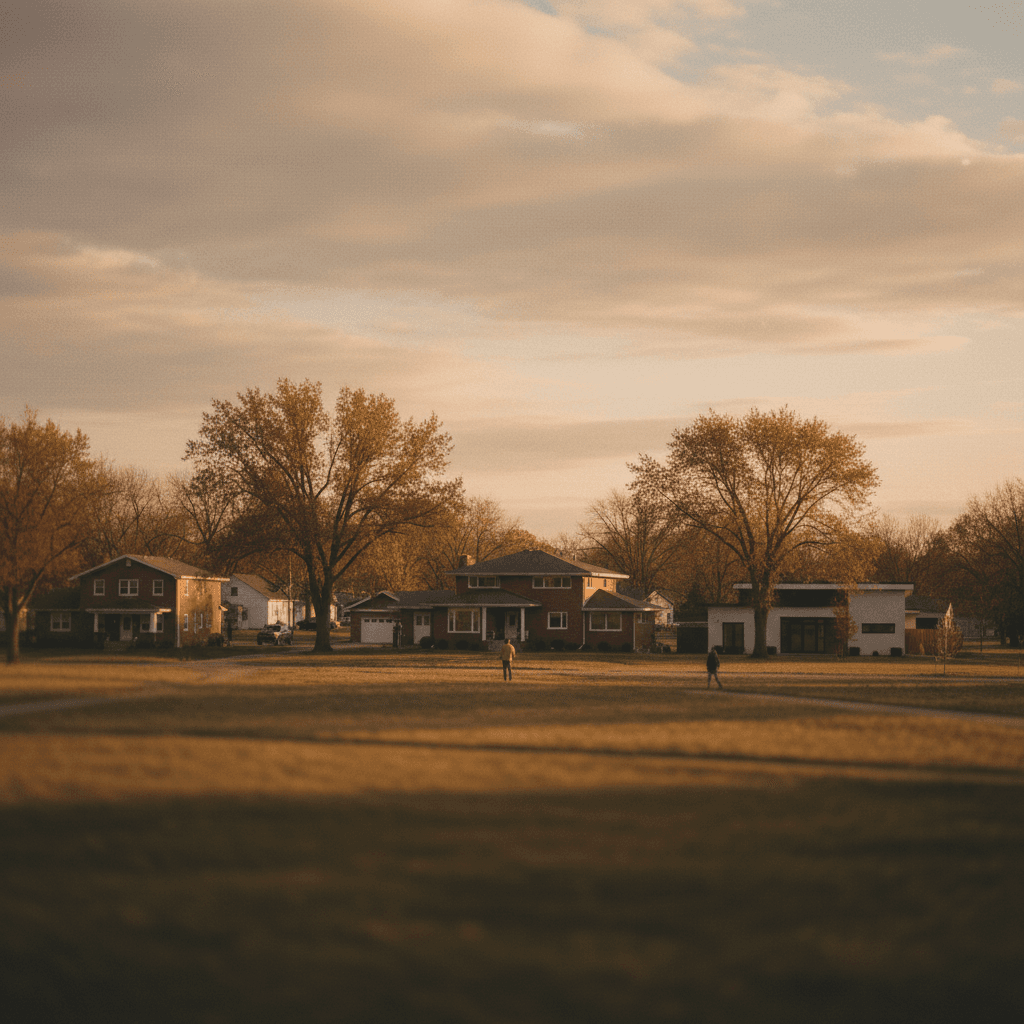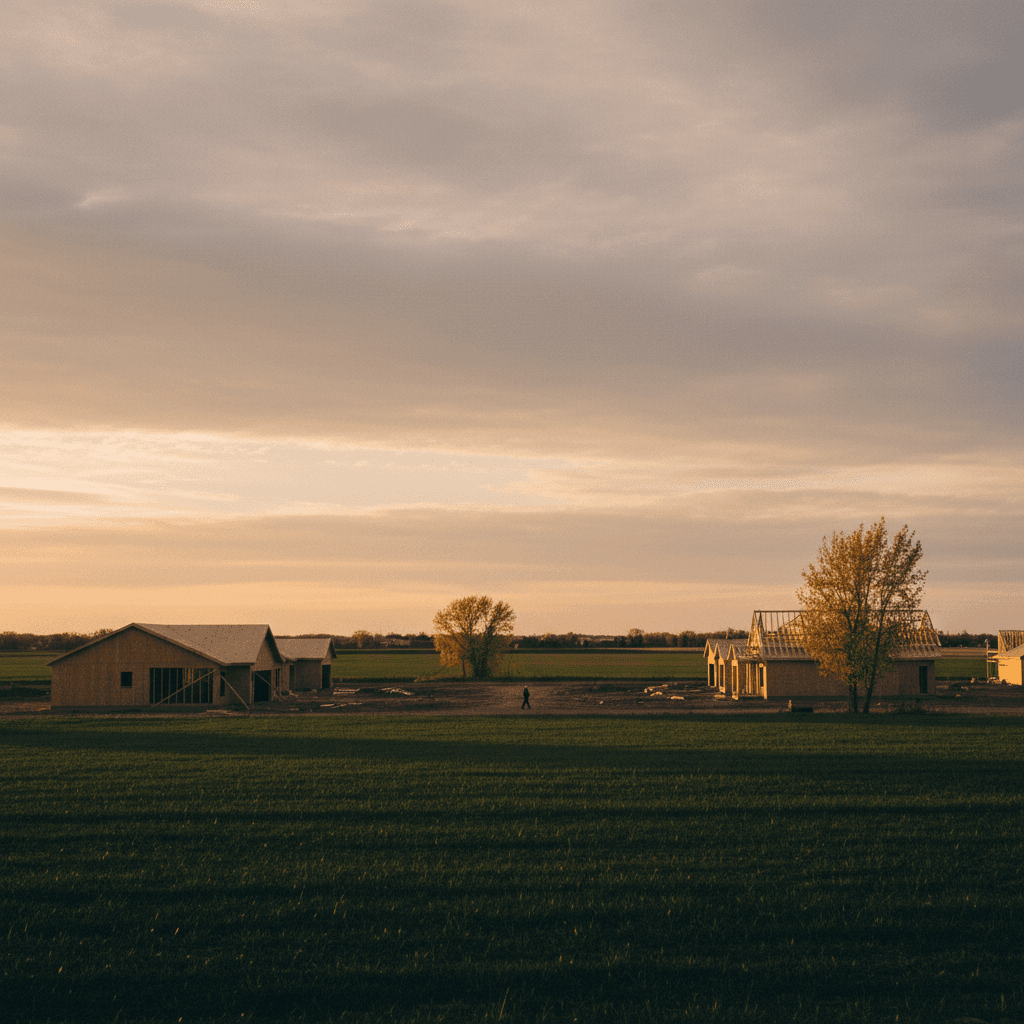
The dream of building a brand-new home, perfectly tailored to your vision, is a powerful one. In a charming community like Hillsboro, North Dakota, where friendly faces and a serene pace of life are part of the daily fabric, creating your own space can be incredibly rewarding. However, bringing that dream to life involves more than just blueprints and building materials; it requires a solid financial foundation. Navigating the monetary aspects of new construction can seem daunting, but with the right knowledge and a clear plan, you can confidently fund your dream build.
This guide will walk you through the essential financial steps for new construction in Hillsboro, from understanding unique loan types to smart budgeting and beyond. We'll explore how to secure the financing you need and manage your resources effectively, ensuring a smooth journey from an empty lot to your custom-built sanctuary.
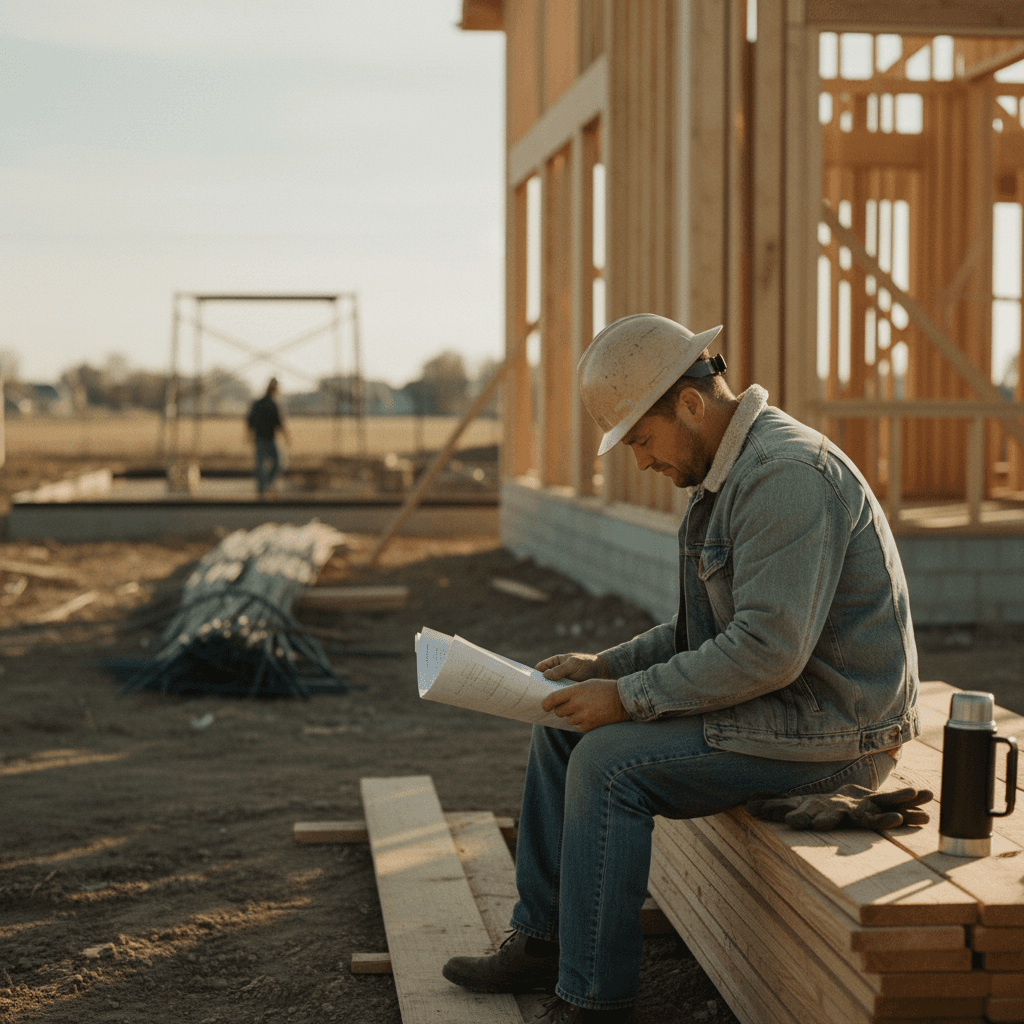
Understanding Your Financing Options for a Hillsboro Build
When it comes to building a new home, the financing structure differs significantly from purchasing an existing property. It's crucial to grasp these distinctions early on to set yourself up for success in the Hillsboro market.
Construction Loans vs. Traditional Mortgages
The primary difference lies in the nature of the loan. A traditional mortgage provides a lump sum to purchase a completed home, which you then repay over many years. A construction loan, on the other hand, is a short-term, higher-interest loan designed specifically to cover the costs of building your home. Funds are disbursed in stages, known as 'draws,' as different phases of construction are completed and inspected.
- Draw Schedule: Funds are released to your builder or contractor in installments based on the project's progress (e.g., foundation complete, framing done, roof on, etc.). Each draw is typically subject to an inspection to ensure work is completed to specifications.
- Interest-Only Payments: During the construction phase, you typically only pay interest on the money that has been drawn, not on the full loan amount. This helps keep costs lower while your home is being built.
- Conversion to Permanent Financing: Once construction is complete, your construction loan will either convert into a traditional long-term mortgage (a 'construction-to-permanent' loan) or you'll need to apply for a separate mortgage to pay off the construction loan. Understanding this transition is vital for long-term financial planning.
Finding the Right Lender in Hillsboro
Choosing the right financial partner is paramount. While national lenders offer options, working with a local institution can often provide significant advantages, as they have a deeper understanding of the local market, property values, and even local contractors. A lender familiar with the nuances of new construction in Hillsboro and the surrounding Traill County area can be an invaluable resource.
Look for a lender with a strong track record in construction financing. They should be able to clearly explain their draw schedule, interest rates, fees, and the conversion process to a permanent mortgage. Don't hesitate to compare offers from several institutions. For local government resources related to property and permits, the City of Hillsboro, ND website can be a good starting point for general information.
Budgeting and Protecting Your Investment
A well-defined budget is your best friend in new construction. It's easy for costs to spiral without careful planning, so understanding all potential expenses is key to a stress-free build.
Crafting a Realistic Construction Budget
Your budget needs to encompass more than just the builder's quote. Think comprehensively about every potential cost:
- Land Acquisition: If you don't already own the land, this is a significant upfront cost.
- Permits and Fees: Local building permits, inspections, and utility hook-up fees can add up.
- Site Preparation: Clearing, grading, excavation, and utility trenching.
- Construction Costs: The core cost of materials and labor from your builder. Work with a reputable local builder, like a company similar to Northern Plains Builders, who can provide transparent quotes.
- Finishing Touches: Landscaping, driveways, walkways, fencing, and even appliances not included in the builder's package.
- Contingency Fund: This is non-negotiable. Unexpected issues, material delays, or design changes can arise. A contingency fund of 10-15% of your total construction cost is highly recommended to absorb these unforeseen expenses without derailing your project.
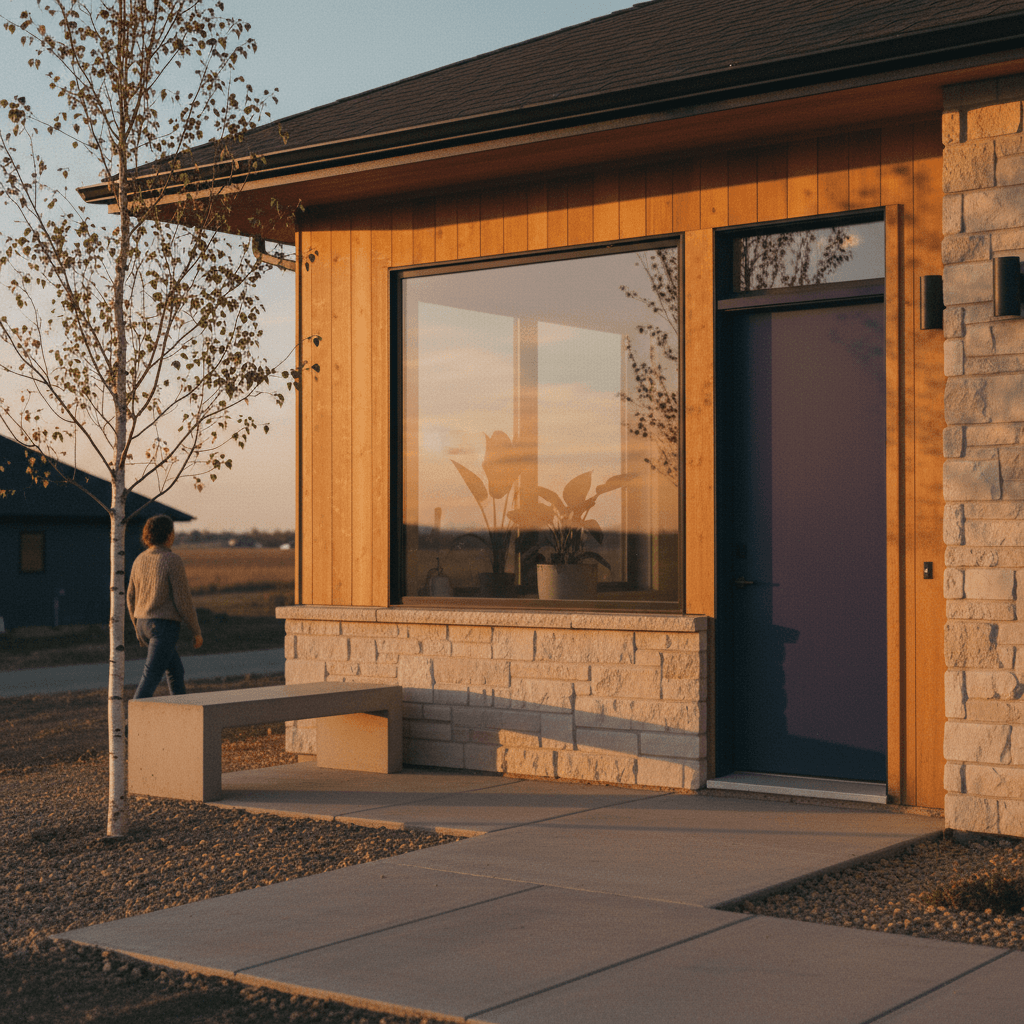
Understanding Costs and Appraisals in Hillsboro
Material and labor costs can fluctuate, and local market conditions in Hillsboro will influence pricing. Your lender will require an appraisal based on the plans and specifications of your proposed home. This 'as-built' appraisal estimates the value of your home once it's completed. It's a critical step, as the loan amount will be based on this appraised value or the total cost of construction, whichever is lower. Ensuring your plans align with local market values can help prevent issues down the line.
It’s also wise to engage with a local financial institution, such as a hypothetical Hillsboro Community Bank, early in your planning to understand how local appraisals might impact your borrowing capacity.
Navigating the Construction Process and Beyond
Once financing is secured and the shovel hits the dirt, monitoring progress and planning for post-construction finances are your next steps.
Loan Disbursements and Project Management
Staying informed about your draw schedule and the progress of your build is crucial. Your lender will typically require inspections before releasing each draw to your builder. This protects both you and the lender, ensuring work is completed satisfactorily. Maintain open communication with your builder and be present for key inspections. Document everything, including change orders and approvals, to avoid misunderstandings.
Effective project management, even if handled by your builder, means you are an active participant, reviewing progress against your budget and timeline. This proactive approach helps catch potential issues early.
Post-Construction Financial Considerations
Congratulations, your Hillsboro dream home is complete! But the financial journey doesn't end there. Here are a few final considerations:
- Homeowner’s Insurance: Secure comprehensive homeowner's insurance well before you move in. Your lender will require it, and it protects your significant investment.
- Property Taxes: Understand your new property tax assessment. In Traill County, property values are assessed, and taxes are calculated accordingly. Your new, custom-built home will likely have a different assessment than an undeveloped lot or an older home.
- Utility Setup and Ongoing Costs: Budget for initial utility setup fees and ongoing monthly costs for electricity, gas, water, and internet.
- Maintenance and Upgrades: Even a new home requires ongoing maintenance. Set aside funds for future upkeep and potential upgrades.
Building a new home in Hillsboro, ND, is an exciting venture that offers the unique opportunity to create a space perfectly suited to your lifestyle. While the financial aspects require careful attention, understanding the specific steps—from securing the right construction loan to meticulous budgeting and post-construction planning—will empower you to navigate the process with confidence. With diligent preparation and the support of local experts, your dream of a custom-built home in our wonderful community can become a beautiful reality.
Frequently Asked Questions
What's the main difference between a construction loan and a traditional mortgage in Hillsboro, ND?
A construction loan is a short-term loan used to finance the building of your home, with funds disbursed in stages (draws) as construction progresses. You typically only pay interest on the drawn amount during this phase. A traditional mortgage, by contrast, is a long-term loan for a completed home, providing a lump sum for purchase. After your Hillsboro home is built, your construction loan usually converts into a traditional mortgage or is paid off by a new, separate mortgage.
How much down payment is typically required for a new construction loan in Hillsboro?
While it can vary by lender and your financial profile, most construction loans require a down payment of 10% to 20% of the total project cost (including land, construction, and other fees). Some lenders might offer lower down payment options, but these often come with stricter eligibility criteria or higher interest rates. It's always best to consult with a local Hillsboro lender for specific requirements.
Can I include the cost of purchasing land in my new construction loan?
Yes, many construction loans, particularly construction-to-permanent loans, allow you to include the cost of the land purchase as part of the total project financing. If you already own the land, its equity can often be used as part of your down payment. Discussing your specific situation with a lender is crucial to understand how land acquisition fits into your overall financing plan for your Hillsboro build.
What are common hidden costs to look out for when building a new home in Hillsboro?
Beyond the builder's contract, common hidden costs can include: site preparation (clearing, grading, utility hook-ups), permits and inspection fees from the City of Hillsboro, landscaping, driveway installation, appliances not included in the builder's package, window treatments, and unexpected material or labor price increases. It's vital to include a contingency fund of 10-15% in your budget to cover these unforeseen expenses.
Need help with your real estate journey?
Our team is here to help you navigate the market with confidence.