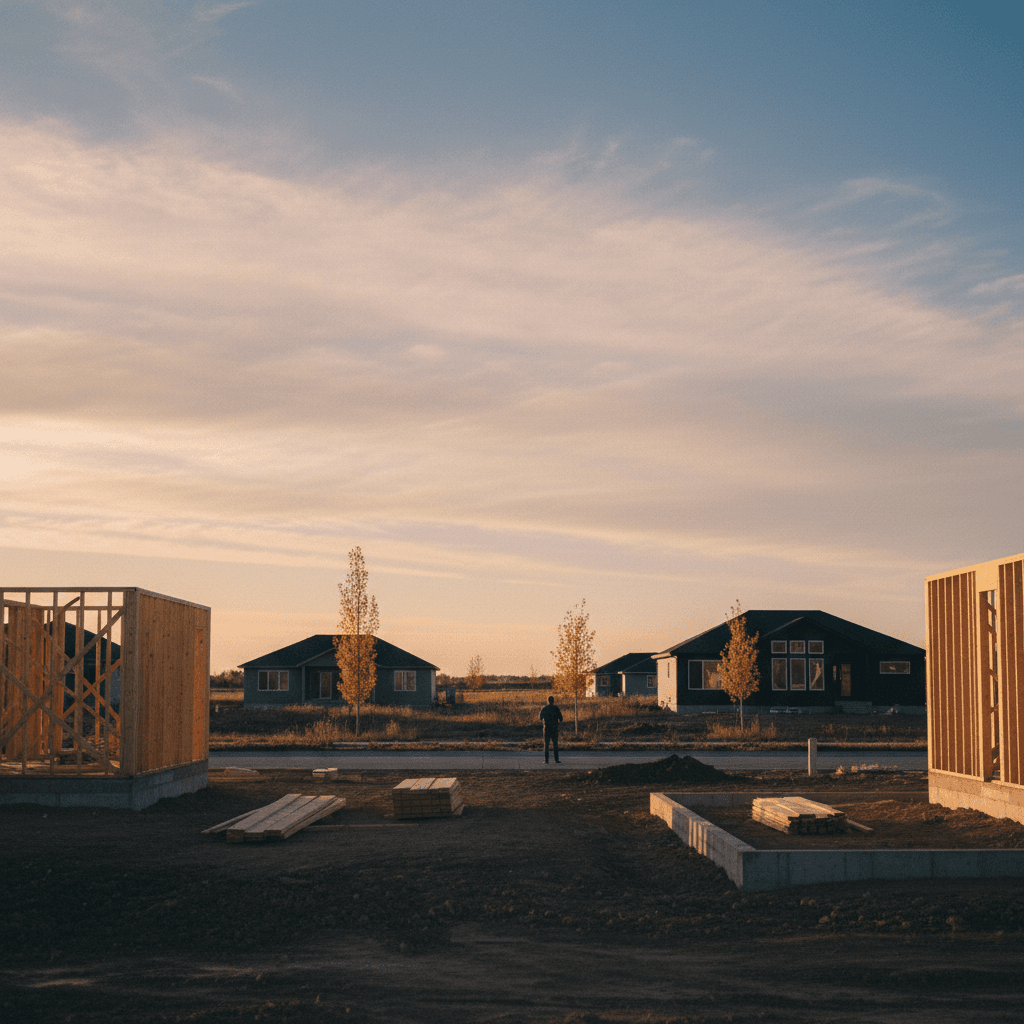
Hillsboro, North Dakota, a charming community nestled in Traill County, offers a unique landscape for real estate investors. While often overshadowed by larger metropolitan areas, the strategic investor recognizes the latent potential in smaller markets. This comprehensive guide delves into the financial intricacies of real estate investment in Hillsboro, focusing specifically on rental properties and leasing strategies. Our analysis aims to equip prospective investors with data-driven insights to navigate this market effectively, identifying opportunities for sustainable growth and robust returns. Learn more about The Financial Side of Selling: Closing Costs and Net....

Hillsboro's Economic Landscape: Foundation for Investment
Understanding the local economic underpinnings is paramount before committing to any real estate venture. Hillsboro, with its strong agricultural roots and proximity to major economic hubs like Fargo, presents a stable, albeit niche, market. Recent demographic data indicates a steady population, supported by local industries and a consistent demand for services. The economic stability, often characterized by lower volatility compared to boom-and-bust cycles of larger cities, makes Hillsboro an attractive proposition for long-term, risk-averse investors. Learn more about Local Investment Opportunities: The Rising Real Estate....
Local Economic Drivers and Employment
Hillsboro's economy is primarily driven by agriculture, local government, education, and small businesses. The presence of key employers such as the Hillsboro Public School District and Traill County government ensures a baseline of stable employment. Additionally, the town serves as a service hub for surrounding rural areas, supporting local businesses like Hillsboro True Value Hardware, which provides essential goods and services. This diversified, albeit small, employment base contributes to a consistent demand for housing, both for employees and their families. While high-growth tech sectors are absent, the foundational stability offers a reliable tenant pool. Data from the North Dakota Department of Commerce often highlights the resilience of rural economies in the state, with unemployment rates in Traill County typically mirroring or falling below state averages, reinforcing a healthy local job market.
Infrastructure and Community Development
Investment in local infrastructure directly impacts property values and rental demand. Hillsboro benefits from well-maintained roads, essential utilities, and community amenities that enhance the quality of life for residents. The city has shown a commitment to community development, with initiatives often focusing on improving public spaces and supporting local enterprises. For instance, the Hillsboro Park and Recreation department actively manages local parks and recreational facilities, making the area more appealing to families and long-term residents. Such investments signal a proactive approach to maintaining a vibrant community, which in turn supports stable property values and rental demand. Furthermore, access to major transportation routes, including Interstate 29, facilitates connectivity to larger economic centers, which can be a draw for commuters seeking more affordable living options.
Analyzing the Rental Market: Demand and Demographics
A granular understanding of the rental market is crucial for successful investment. In Hillsboro, the rental landscape is influenced by specific demographic trends and housing preferences. The market typically caters to a mix of long-term residents, agricultural workers, and professionals associated with local institutions. Analyzing vacancy rates, average rental prices, and tenant profiles provides a clear picture of potential returns and risks. Learn more about Understanding Property Taxes and Zoning Laws in....
Current Rental Trends and Vacancy Rates
The rental market in Hillsboro is characterized by relatively low vacancy rates, a common trait in stable, smaller communities where housing supply is often limited. While specific real-time data for Hillsboro can fluctuate, anecdotal evidence from local real estate professionals suggests that well-maintained rental units are typically occupied quickly. For example, properties managed by local agencies like Hillsboro Real Estate often report consistent demand. Median rent for a 2-bedroom home in similar North Dakota communities often ranges from $850 to $1,100, with Hillsboro likely falling within this bracket, depending on property condition and amenities. Investors should conduct thorough market research to ascertain precise local rental rates and ensure their projected income aligns with market realities. The stability of the tenant base, often seeking long-term residency, also contributes to lower turnover costs.
Demographic Profile of Potential Renters
The demographic profile of Hillsboro's renters is diverse but leans towards families, young professionals, and individuals working in agriculture or local services. The presence of a school district means families often seek multi-bedroom homes. Young professionals or singles might opt for smaller apartments or duplexes. Understanding these needs is vital for property selection and marketing. For instance, proximity to the Hillsboro Public School can significantly increase the desirability of a rental property for families. The average household income in Traill County, while lower than metropolitan averages, supports a rental market where affordability is a key factor. Investors should target properties that align with the prevalent needs and income levels of the local demographic to ensure consistent occupancy and rental income. This often means focusing on practicality and value rather than luxury amenities.
Navigating Property Types and Investment Strategies
Hillsboro offers a range of property types suitable for rental investment, each with its own set of advantages and considerations. From single-family homes to multi-unit dwellings, selecting the right property type is crucial for aligning with investment goals and risk tolerance. Strategic acquisition and property management are key to maximizing returns in this market.
Single-Family Homes vs. Multi-Family Units
In Hillsboro, single-family homes often represent a strong investment due to consistent demand from families and long-term residents. These properties typically command stable rental income and can appreciate steadily over time. Investors considering single-family homes should focus on properties in good condition, with desirable features like yards and adequate parking. Multi-family units, such as duplexes or small apartment buildings, offer the advantage of multiple income streams, potentially diversifying risk and increasing cash flow. However, multi-family properties may require more intensive management. The average sales price for homes in Traill County has seen modest but consistent growth, indicating a healthy appreciation potential, though specific figures for Hillsboro would need granular local analysis. For example, a well-maintained 3-bedroom single-family home might sell for $180,000 - $250,000, while a duplex could range from $250,000 - $350,000, offering different entry points and return profiles.
Value-Add Opportunities and Niche Markets
Beyond traditional purchases, investors can explore value-add opportunities. This might involve acquiring properties that require renovation or modernization to increase their rental appeal and market value. For instance, updating kitchens and bathrooms, improving energy efficiency, or adding functional spaces can significantly boost rental income and property appreciation. Niche markets also exist; for example, short-term rentals could cater to visitors for local events or contractors working on temporary projects, though the demand for such in Hillsboro would be more limited than in tourist-heavy areas. However, providing furnished rentals for temporary workers could be a viable strategy. Investors should evaluate the cost of renovations against potential rental uplift and ensure they align with local market demand. Engaging with local contractors and suppliers, such as those found through the Hillsboro Area Chamber of Commerce, can provide cost-effective solutions for property improvements.
Financial Considerations: Funding and ROI
Securing appropriate financing and accurately projecting the return on investment (ROI) are critical steps in any real estate venture. Hillsboro's market dynamics, including property values and rental yields, influence these financial calculations. Investors must meticulously analyze all costs and potential incomes to ensure profitability.

Financing Options for Hillsboro Properties
Investors have several financing options, ranging from conventional mortgages to specialized investment property loans. Local banks and credit unions, such as Bell Bank (which has a presence in the region), often offer competitive rates and a deeper understanding of the local market. For those new to real estate investment, FHA loans or VA loans might be an option for owner-occupied multi-family units, allowing for lower down payments. However, for pure investment properties, conventional loans typically require a higher down payment (e.g., 20-25%). Understanding interest rates, loan terms, and closing costs is essential. A detailed financial pro forma, accounting for all acquisition costs, will help in comparing different financing scenarios and identifying the most financially advantageous path. Given the stable market, lenders often view Hillsboro properties as lower risk, potentially leading to more favorable lending terms.
Calculating Potential Return on Investment (ROI)
Calculating ROI involves a comprehensive assessment of rental income against all expenses. Key metrics include capitalization rate (cap rate), cash-on-cash return, and gross rental yield. A typical cap rate for stable, smaller markets like Hillsboro might range from 6% to 9%, depending on the property and location. This metric helps evaluate the profitability of a property based on its net operating income relative to its purchase price. Investors must factor in property taxes, insurance, maintenance costs, potential vacancy rates (even if low), and property management fees (if outsourcing). For instance, if a property is purchased for $200,000 and generates a net operating income of $16,000 annually, the cap rate would be 8%. A thorough cash flow analysis, projecting income and expenses over several years, provides a realistic picture of long-term profitability and helps identify properties that align with an investor’s desired ROI threshold. Investors should also account for potential appreciation, although this is generally a secondary consideration in cash-flow driven markets.
Legal and Operational Aspects of Rental Management
Successful real estate investment extends beyond acquisition; it encompasses diligent property management and adherence to legal frameworks. Navigating landlord-tenant laws, establishing efficient operational processes, and mitigating risks are crucial for protecting assets and ensuring consistent rental income in Hillsboro.
North Dakota Landlord-Tenant Laws
Investors must be well-versed in North Dakota's landlord-tenant laws, which govern everything from lease agreements and security deposits to eviction procedures and property maintenance responsibilities. Key statutes cover notice periods for rent increases, entry into the property, and termination of tenancy. For example, North Dakota law typically requires a 3-day notice for non-payment of rent before an eviction process can begin. Understanding these regulations is vital to avoid legal disputes and ensure fair practices. Resources from the North Dakota Attorney General's office provide comprehensive guides for both landlords and tenants. Adherence to these laws not only prevents legal complications but also fosters positive landlord-tenant relationships, contributing to tenant retention and a stable investment.
Property Management Strategies and Best Practices
Effective property management is the backbone of a successful rental investment. Investors can choose between self-management or hiring a professional property management company. While self-management offers greater control and saves on fees, it demands significant time and effort, especially for out-of-town investors. Professional property managers, often found through local real estate agencies, handle everything from tenant screening and lease enforcement to maintenance and rent collection. For instance, a local firm might charge 8-12% of monthly rent for full-service management. Regardless of the approach, best practices include thorough tenant screening (credit checks, background checks, rental history verification), clear and comprehensive lease agreements, regular property inspections, and prompt addressing of maintenance issues. Utilizing local services, such as Hillsboro Auto Body & Repair for minor fixes or a local plumber, can ensure timely and cost-effective maintenance. Proactive communication with tenants and a well-defined process for handling emergencies contribute significantly to operational efficiency and tenant satisfaction.
Long-Term Growth and Future Outlook
Investing in Hillsboro, ND, requires a long-term perspective, considering the town's growth trajectory and potential for sustained appreciation. While not a market for rapid speculative gains, its stability and foundational strengths offer predictable returns and a hedge against broader economic volatility. Learn more about Investing in Hillsboro, ND: A Financial Look at the....
Sustainable Appreciation and Market Resilience
Hillsboro's real estate market is characterized by sustainable, rather than explosive, appreciation. This resilience stems from its stable economic base, consistent demand for housing, and limited speculative development. Data from the Federal Housing Finance Agency (FHFA) often shows that smaller, rural markets in North Dakota exhibit steady, albeit modest, annual property value increases, typically averaging 2-4% in normal market conditions. This predictability makes Hillsboro an attractive market for investors seeking steady equity growth without the high risks associated with overheated markets. Furthermore, the inherent value of agricultural land in the region provides a buffer, influencing overall economic stability. The market's resilience means that while downturns might occur, they are often less severe and recovery quicker than in more volatile urban centers, protecting investor capital over the long term.
Hillsboro's Role in Regional Development
Hillsboro plays a vital role as a service and community hub within Traill County and its surrounding rural areas. Its strategic location along major transportation routes and proximity to larger cities like Fargo (approximately 30 miles south) means it benefits indirectly from regional economic growth. As Fargo continues to expand, some individuals and families may seek more affordable housing and a quieter lifestyle in nearby communities like Hillsboro, commuting for work or amenities. This 'spillover' effect can contribute to sustained demand for rental properties. Future regional developments, such as infrastructure improvements or new agricultural processing facilities, could further bolster Hillsboro's economic outlook. Investors should monitor regional development plans and demographic shifts to anticipate future opportunities. The community's commitment to local businesses, exemplified by initiatives from organizations like the City of Hillsboro, reinforces its long-term viability as an investment location.
Investing in Hillsboro, ND, offers a compelling proposition for the financially astute investor. Its stable economic environment, consistent rental demand, and potential for sustainable appreciation present a robust framework for long-term wealth creation through rental properties. By diligently analyzing market trends, understanding local regulations, and implementing sound property management strategies, investors can unlock the significant, yet often overlooked, financial opportunities within this resilient North Dakota community. The key to success lies in a data-driven approach, patience, and a commitment to understanding the unique dynamics of a small, thriving market. Learn more about Investing in Hillsboro, ND: A Landlord’s Guide to the....
Frequently Asked Questions
What are the primary economic drivers supporting rental demand in Hillsboro, ND?
Hillsboro's economy is primarily driven by agriculture, local government, education (e.g., Hillsboro Public School District), and small businesses. These sectors provide stable employment, which in turn creates consistent demand for housing from employees and their families, underpinning the rental market's stability.
What is the typical range for rental property vacancy rates in a market like Hillsboro, ND?
While specific real-time data for Hillsboro can fluctuate, smaller, stable communities like Hillsboro typically experience relatively low vacancy rates. Well-maintained rental units often find tenants quickly due to limited housing supply and consistent local demand, often below the national average.
What types of properties are generally best for investment in Hillsboro, ND?
Single-family homes are often a strong investment due to demand from families and long-term residents. Multi-family units (duplexes, small apartments) also offer good potential with multiple income streams. The best choice depends on an investor's goals, but both can provide stable returns in Hillsboro's market.
How can investors calculate the potential ROI for a rental property in Hillsboro?
Investors can calculate ROI using metrics like the capitalization rate (Cap Rate) and cash-on-cash return. The Cap Rate is calculated by dividing the property's net operating income (rental income minus expenses like taxes, insurance, maintenance) by its purchase price. A thorough cash flow analysis, factoring in all costs and potential incomes, provides a realistic long-term ROI projection.
Are there specific landlord-tenant laws in North Dakota that Hillsboro investors should be aware of?
Yes, investors must adhere to North Dakota's landlord-tenant laws, which cover aspects like lease agreements, security deposit handling, notice periods for rent increases, property entry, and eviction procedures. Familiarity with these statutes, often available through the North Dakota Attorney General's office, is crucial to ensure legal compliance and avoid disputes.
Need help with your real estate journey?
Our team is here to help you navigate the market with confidence.