For many families considering a move, the quality of local schools is a paramount concern. However, beyond academic performance, understanding the financial landscape of education—from property taxes to long-term investment—is crucial. In Mapleton, North Dakota, a vibrant community experiencing steady growth, schools play a significant role in both community development and the local real estate market. This guide delves into the financial implications of education in Mapleton, providing a data-driven perspective for current and prospective residents. Learn more about Mapleton, ND for Families: A Closer Look at Local....

Property Taxes and School Funding in Mapleton
One of the most direct financial ties between residents and their local schools is through property taxes. In North Dakota, as in many states, a substantial portion of property tax revenue is allocated to fund public education. Understanding how these taxes are structured and what they contribute to the Mapleton Public School District (or consolidated district serving Mapleton) is essential for homeowners.
Understanding Your Tax Bill's Educational Component
Property taxes in Mapleton, falling under Cass County, are calculated based on the assessed value of your property and the mill levies set by various taxing authorities, including the school district. Historically, education accounts for a significant percentage of a homeowner's annual property tax bill. For instance, across North Dakota, school districts typically receive over half of all property tax dollars collected. This means that a portion of every dollar paid in property taxes directly supports teacher salaries, facility maintenance, and educational programs right here in Mapleton. Prospective buyers should always factor these ongoing costs into their budget, as they are a consistent investment in the community's future. Learn more about Strategies for Selling Your Home in Mapleton, ND:....
The Impact of Local Growth on School Finances
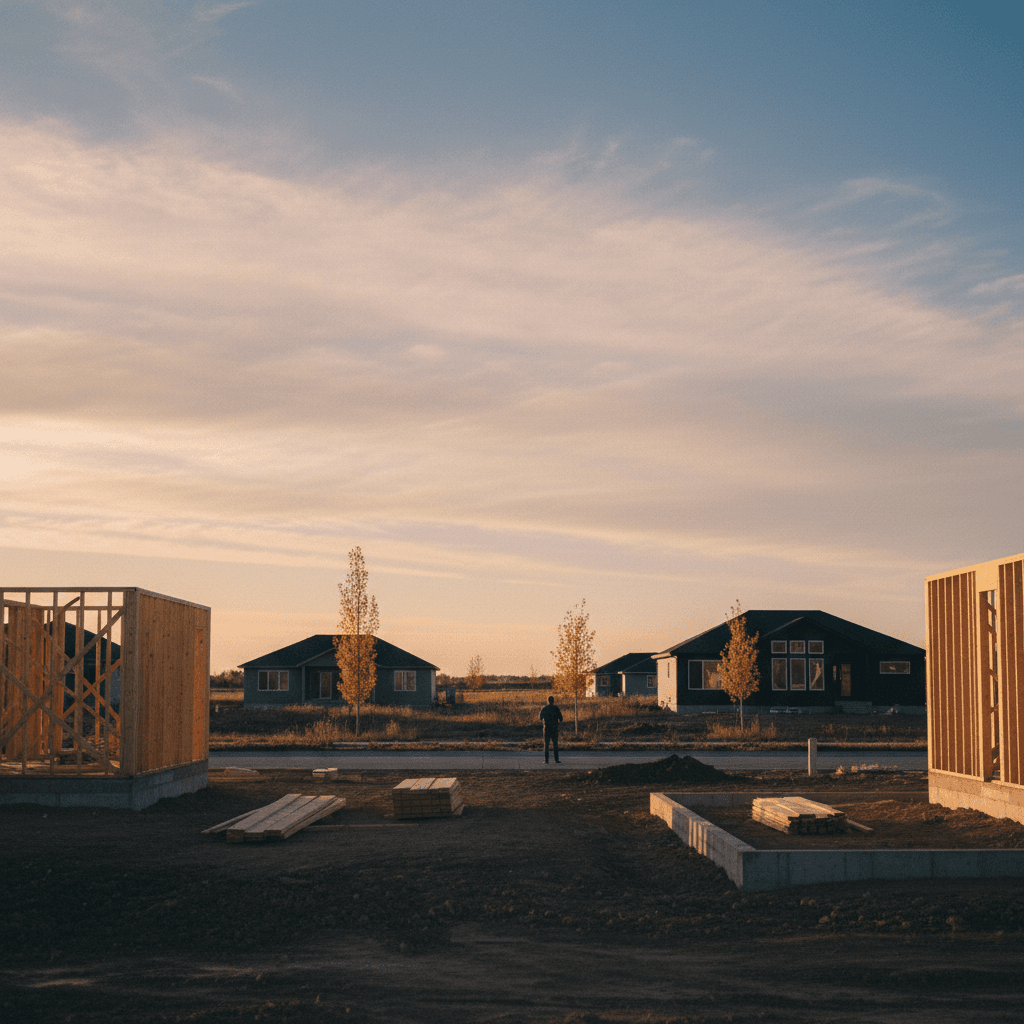
Mapleton has seen consistent development, particularly in residential areas such as the newer developments on the west side of town. This growth brings more families and, consequently, more students into the school system. While increased enrollment can strain resources, it also broadens the property tax base, potentially leading to more robust funding for schools without necessarily increasing individual tax rates dramatically. Our analysis indicates that carefully managed growth can create a virtuous cycle, where a thriving community attracts new residents, whose tax contributions bolster school resources, further enhancing the appeal of Mapleton as a family-friendly location. Local financial institutions, such as Mapleton Community Bank, often provide resources and insights into local tax structures and financial planning.
Home Values and School District Performance
The relationship between school quality and real estate values is well-documented. A strong school district is consistently cited as a top factor for homebuyers, often influencing property values more than many other local amenities. This trend is certainly observable in Mapleton.
The Premium for Top-Tier Education
Data consistently shows that homes located within highly-rated school districts command a premium. While specific ratings for Mapleton's schools might vary, the perception of strong educational institutions directly translates into higher demand and, subsequently, higher property values. For example, national studies often suggest that homes in top-tier school districts can sell for 10-20% more than comparable homes in less-regarded districts. In Mapleton, this premium can be particularly noticeable in established neighborhoods near the heart of town, where families value walkability and proximity to community resources. Learn more about Mapleton, ND Market Watch: The Rise of High-End....
Long-Term Investment and Resale Value
Investing in a home within a desirable school district like Mapleton's is not just about immediate lifestyle benefits; it's a sound financial strategy. Homes in areas with strong schools tend to hold their value better during economic downturns and appreciate more steadily over time. For homeowners in Mapleton, this means that their investment in local property is often bolstered by the community's commitment to education. Furthermore, when it comes time to sell, a good school system is a significant selling point, broadening the pool of potential buyers and often leading to quicker sales. Families looking for additional educational support outside of school hours might also consider local resources like Maple Leaf Tutoring Center, which further enhances the educational ecosystem.
Educational Resources and Community Investment
Beyond the core curriculum, the breadth of educational resources and the level of community investment in youth programs can significantly enhance the overall value proposition of living in Mapleton. These factors, while not always directly tied to property taxes, represent an indirect financial benefit through enriched community life and opportunities for children.

Beyond the Classroom: Enrichment Programs and Facilities
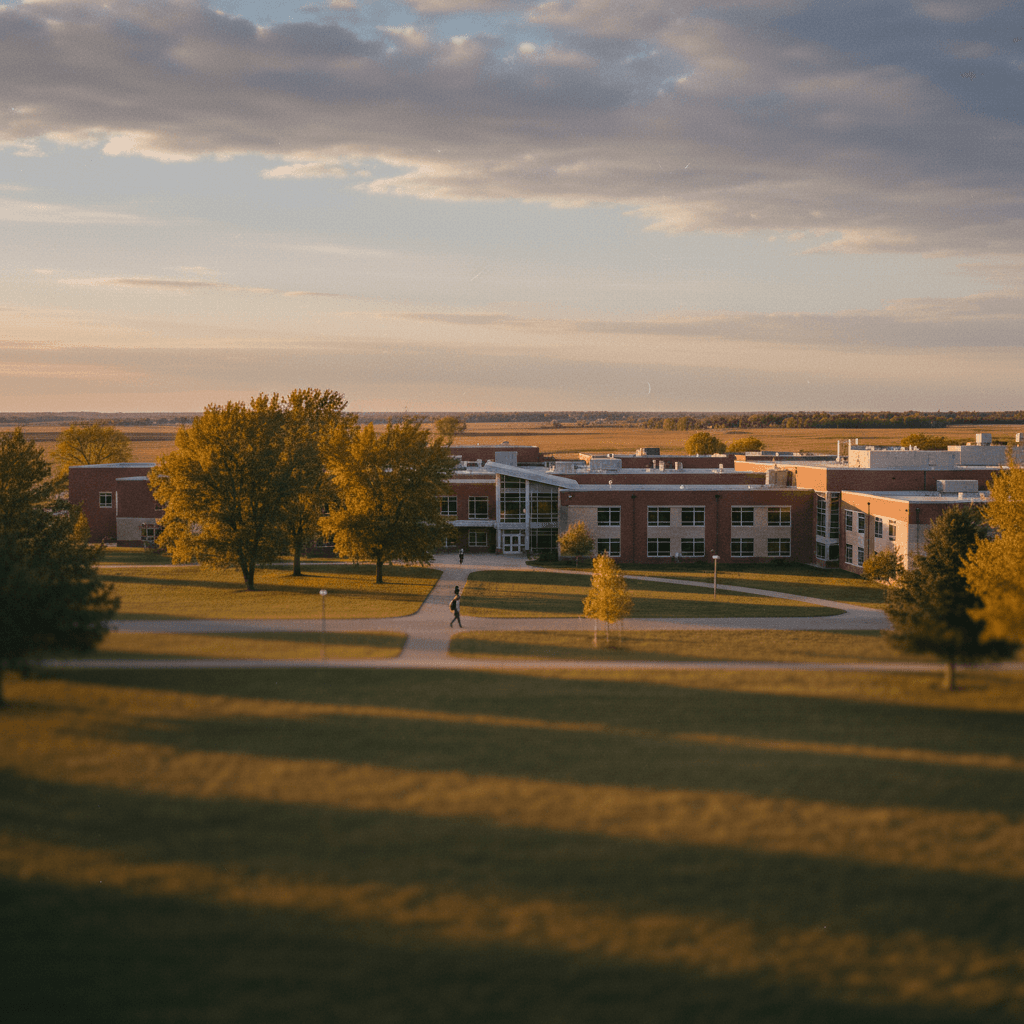
Mapleton's commitment to education extends beyond traditional classroom settings. Access to quality extracurricular activities, sports programs, and community learning initiatives contributes to a holistic educational experience. These programs are often supported by a combination of school district funding, local grants, and volunteer efforts, reflecting a broader community investment. For instance, local organizations and community centers, like the Mapleton Family Wellness Center, frequently offer youth programs that complement school activities, providing valuable development opportunities without significant additional cost to families.
The Role of Community Engagement in Educational Success
A strong correlation exists between active parent and community engagement and student success. In Mapleton, the local newspaper, The Mapleton Gazette, often highlights community events and school initiatives, demonstrating a robust network of support. This collective investment in education not only benefits students directly but also fosters a desirable living environment, which, as discussed, positively impacts property values and the overall economic health of the town. Families seeking to integrate fully into the community will find ample opportunities to contribute to and benefit from this vibrant educational ecosystem. Learn more about The Economic Impact of Local Events on Mapleton, ND Real....
Financial Planning for Educational Futures
Considering the long-term financial implications of education is vital for families in Mapleton. This includes not just K-12 schooling but also planning for higher education and understanding how local educational quality can shape future opportunities.
Saving for Higher Education in a Strong School Environment
While K-12 education in Mapleton is publicly funded, the rising costs of higher education necessitate proactive financial planning. Families in Mapleton benefit from a stable local economy and potentially higher property appreciation due to strong schools, which can indirectly aid in building wealth for future educational expenses. Financial advisors often recommend starting college savings early, and the stability offered by a community with well-regarded schools can provide a solid foundation for such long-term planning. The quality of local K-12 education can also reduce the need for expensive private tutoring or specialized programs, allowing families to allocate those resources towards future college savings.
The Long-Term Economic Benefits of a Well-Educated Populace
From a broader market analyst perspective, a community with a strong educational system tends to attract a skilled workforce, fostering economic development and innovation. This creates a more robust local job market and can lead to higher average household incomes over time. For Mapleton, continuous investment in its schools is not merely an expense; it's a strategic economic investment that pays dividends in the form of a more prosperous, resilient community. This long-term financial health benefits all residents, contributing to a stable and growing real estate market.
The financial landscape of education in Mapleton, ND, is multifaceted, encompassing property taxes, home values, and community investment. For residents and those considering a move, understanding these dynamics is key to making informed financial decisions. Mapleton's commitment to its schools is not just an educational endeavor; it's a financial cornerstone that supports property values, fosters community growth, and invests in the long-term prosperity of its families. As Mapleton continues to evolve, its educational institutions will remain a critical driver of its financial and social well-being.
Related Articles
Frequently Asked Questions
How do property taxes in Mapleton, ND, contribute to school funding?
In Mapleton, a significant portion of your annual property tax bill is allocated directly to the Mapleton Public School District (or its consolidated entity). These funds support operational costs, teacher salaries, facility maintenance, and educational programs. Property taxes are calculated based on your property's assessed value and the mill levies set by various taxing authorities, with education typically receiving over half of the collected property tax dollars in North Dakota.
Does school quality in Mapleton affect home values?
Yes, there is a strong correlation between the perceived quality of schools and home values in Mapleton. Homes within highly-regarded school districts often command a premium, selling for more than comparable properties in areas with less desirable schools. This factor not only influences initial purchase prices but also contributes to better long-term appreciation and resale value, making a home in a good school zone a sound financial investment.
What kind of financial planning should families consider for education in Mapleton?
Families in Mapleton should consider long-term financial planning for both K-12 and higher education. While public K-12 education is funded by taxes, saving for college is crucial. The stability of Mapleton's real estate market, partly due to strong schools, can indirectly aid wealth building for future educational expenses. Additionally, the availability of community programs and resources can potentially reduce the need for costly private tutoring, allowing those funds to be redirected towards college savings.
How does community growth in Mapleton impact school finances?
Community growth, particularly residential development, brings more families and students to Mapleton, increasing the school system's enrollment. While this can present challenges, it also expands the local property tax base. A larger tax base can lead to more robust funding for schools without necessarily increasing individual tax rates, creating a positive feedback loop where growth supports education, which in turn enhances the community's appeal.
Need help with your real estate journey?
Our team is here to help you navigate the market with confidence.