Moving to a new city is often a blend of exhilarating anticipation and practical planning, and West Fargo, North Dakota, offers a fantastic blend of community spirit, modern amenities, and a growing economy that makes it an increasingly popular destination. However, the journey to a new home, especially across state lines or even just across town, inevitably brings a significant financial component that can feel overwhelming without proper guidance. This comprehensive guide is specifically crafted to illuminate the financial landscape of relocating to West Fargo. We'll delve deep into everything from the initial moving costs and understanding the nuances of the local housing market to budgeting for daily life and preparing for those unexpected expenses that often accompany a big move. Our aim is to equip you with the insights and tools necessary to create a robust financial plan, ensuring your transition to West Fargo is not only smooth but also financially sound and stress-free. Let’s embark on this journey together, preparing you to confidently embrace all that your new West Fargo life has to offer.

Pre-Move Budgeting: Your Financial Roadmap to West Fargo
Assessing Your Current Financial Standing
Before you even consider packing a single item, the absolute first step in any successful relocation is a thorough assessment of your current financial health. This isn't just a cursory glance; it involves a deep dive into your savings accounts, investment portfolios, existing debts (credit cards, loans, mortgages), and your precise monthly income and expenditures. Understanding this baseline allows you to realistically determine how much you can comfortably allocate to your move and, crucially, what your sustainable budget will look like once you're established in West Fargo. Create a meticulous spreadsheet that itemizes all your assets and liabilities, along with your average monthly cash flow. This exercise isn't merely about knowing your numbers; it's about setting practical expectations for the type of home you can afford, the lifestyle you can maintain, and the financial flexibility you'll have in your new environment. West Fargo offers a diverse array of housing options and a range of local amenities, but having a clear picture of your financial limits upfront is paramount to avoiding future strain and ensuring a confident start. Consider consulting a financial advisor for personalized insights, especially if you have complex financial situations.
Estimating Moving Expenses
The costs associated with moving can accumulate surprisingly quickly, often extending far beyond the obvious truck rental or professional movers. It’s essential to factor in every potential expense to create an accurate moving budget. Start by obtaining multiple quotes from reputable moving companies, comparing not only their prices but also the services included, such as packing, unpacking, and insurance for your belongings. If you're opting for a DIY move, don't underestimate the costs of truck rental, fuel for a long journey, packing supplies (boxes, tape, bubble wrap), and even the wear and tear on your personal vehicle. Beyond the physical move, consider expenses like temporary housing if there’s an overlap between leases, pet relocation fees, utility transfer or setup charges, and the cost of updating your driver's license and vehicle registration in North Dakota. Don't forget potential costs for professional cleaning services for your old residence, or even minor repairs to ensure you get your security deposit back. A detailed, line-item budget for these expenses will act as your shield against unwelcome financial surprises. Being thoroughly prepared means less stress during the transition and more disposable income to explore and enjoy your new West Fargo surroundings, perhaps by indulging in a delicious, award-winning meal at Spitfire Bar & Grill, a local favorite.
Understanding West Fargo's Housing Market: Renting vs. Buying
Renting vs. Buying: What to Expect
West Fargo’s dynamic housing market presents attractive opportunities for both renters and buyers, each path carrying distinct financial implications. For those seeking flexibility or a shorter-term commitment, renting can be an excellent option. Typically, renting involves an upfront security deposit (often equivalent to one month's rent) and the first month’s rent. Rental prices in West Fargo vary significantly depending on factors like property size, location, and amenities. For instance, a modern one-bedroom apartment might range from $900-$1,400, while a spacious three-bedroom family home could command $1,600-$2,800+ per month. When considering homeownership, you’ll need to prepare for a down payment, which can range from 3.5% for FHA loans to 20% or more for conventional mortgages, along with closing costs that typically amount to 2-5% of the loan amount. Property taxes in West Fargo, while part of North Dakota's generally lower tax burden compared to other states, are still a significant ongoing expense to factor into your monthly budget. Homeowner’s insurance is also mandatory. The median home price in West Fargo has seen steady growth, reflecting the city’s desirability, yet it often remains more accessible than many larger metropolitan areas, making homeownership a realistic goal for many aspiring residents. Getting pre-approved for a mortgage early in your search is a critical step, as it clarifies your borrowing capacity and strengthens your offer in a competitive market.
Exploring West Fargo Neighborhoods and Their Costs
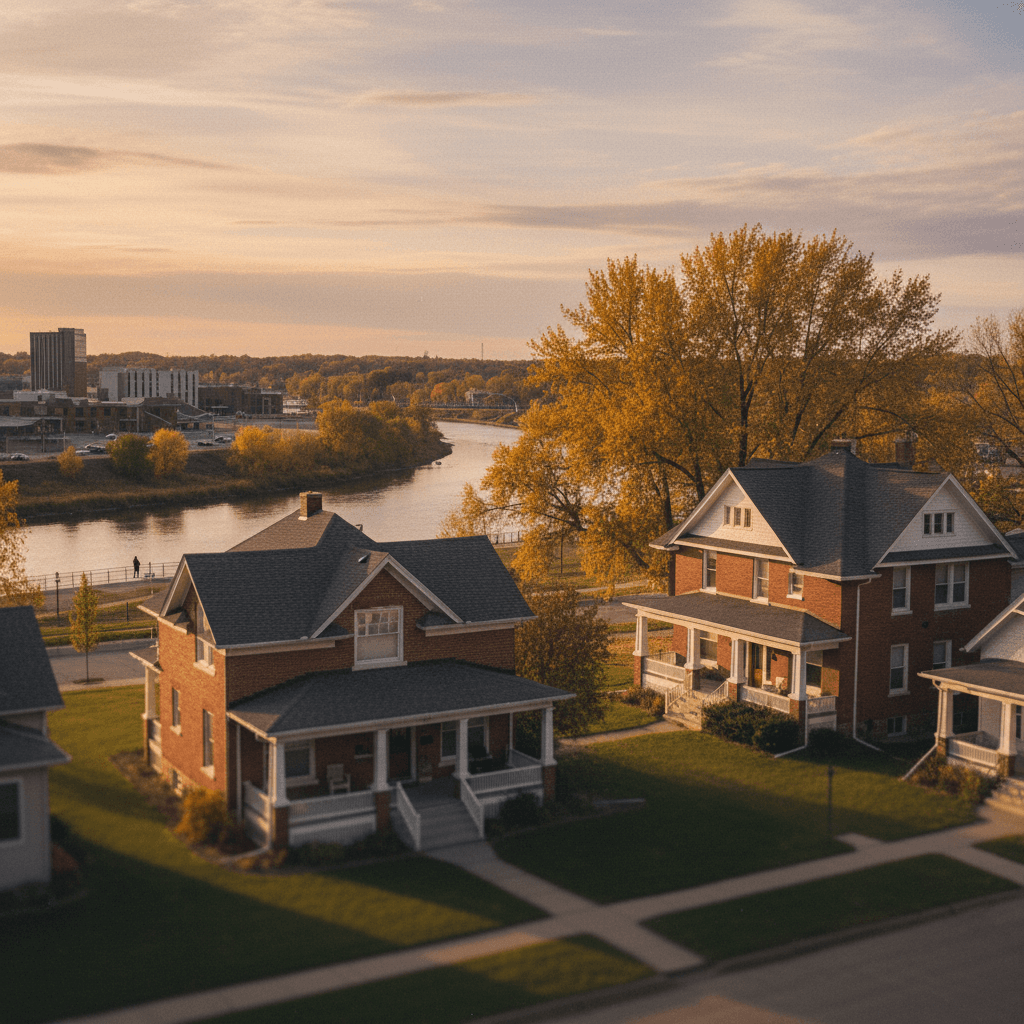
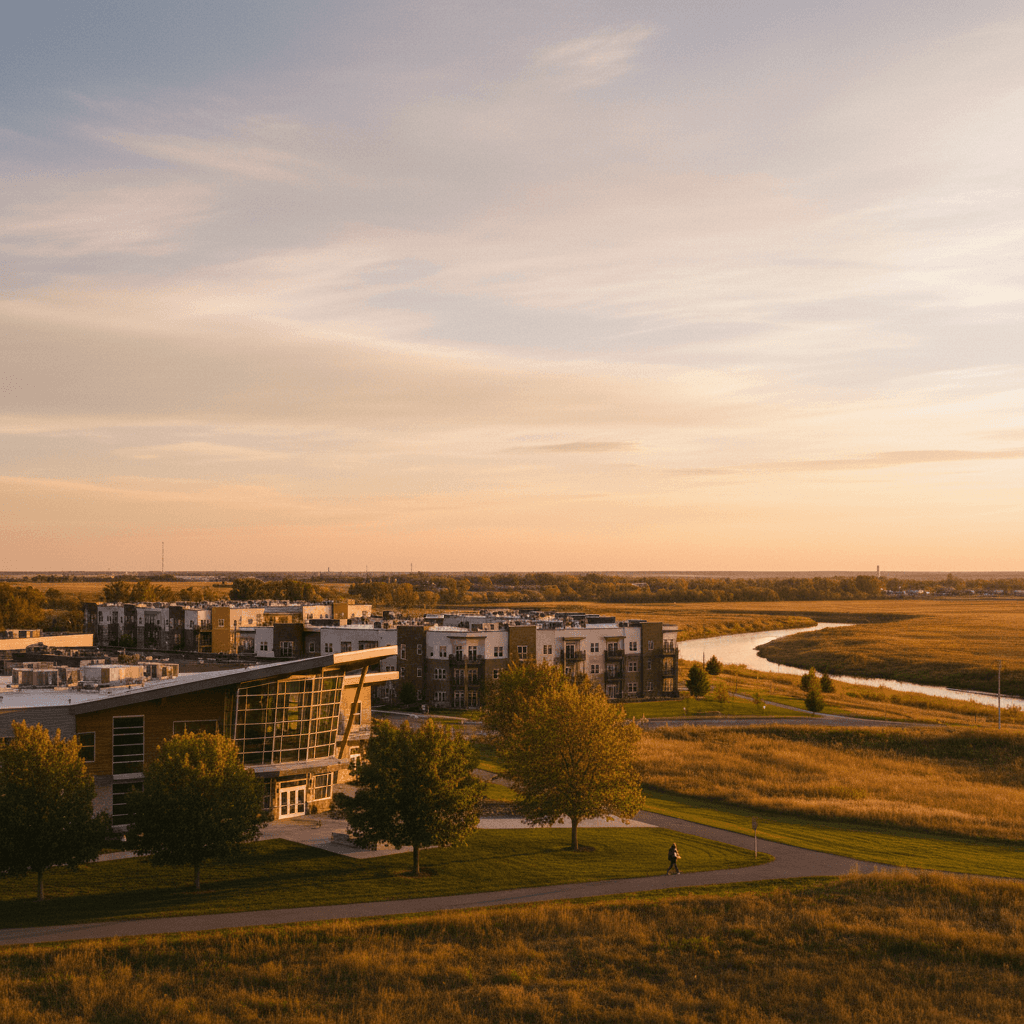
West Fargo is comprised of several distinct neighborhoods, each offering its own charm, amenities, and, naturally, differing price points. Areas undergoing newer development, particularly those boasting proximity to highly-rated educational institutions such as West Fargo High School (ranked 7th in North Dakota with a high AP participation rate) or Legacy Elementary School (a top-ranked elementary with a 4-star rating), tend to command higher property values and rental rates due to demand. These areas often feature newer construction, modern infrastructure, and family-friendly environments. Conversely, older, more established neighborhoods might offer more mature landscaping, a quieter ambiance, and potentially more budget-friendly housing options, often with unique architectural styles. When considering neighborhoods, think about your lifestyle priorities. Is easy access to recreational spaces like Rendezvous Park, with its fantastic splash pad and walking trails, a priority for your family? Or perhaps proximity to the bustling Sheyenne Street corridor with its shops and restaurants is more appealing? Researching specific areas like those surrounding Veterans Boulevard, the developing neighborhoods off 32nd Avenue, or the established communities near downtown West Fargo will provide a granular understanding of what your housing budget can realistically achieve. Don't just look at the price tag; consider the long-term value, potential for appreciation, and how well the neighborhood aligns with your personal and financial goals.
Daily Living Costs in West Fargo: Budgeting for Life
Utilities, Groceries, and Transportation
Once your housing is secured, the next major financial consideration is budgeting for the ongoing expenses of daily life in West Fargo. Utility costs, like in much of North Dakota, will fluctuate significantly with the seasons. Expect higher natural gas bills for heating during the long, cold winter months, and potentially increased electricity usage for air conditioning in the warmer summer. On average, a household should budget for electricity, natural gas, water, sewer, and trash removal services. High-speed internet and cable television packages are additional costs that can vary widely based on provider and desired speed. For groceries, West Fargo offers a variety of supermarkets and local markets. While prices are generally comparable to national averages, strategic shopping, utilizing sales, and exploring local options can help manage this expense. Transportation is another key budget item. West Fargo is primarily a car-dependent community; while there are some public transit options connecting to Fargo, most residents rely on personal vehicles. Therefore, factor in fuel costs, vehicle insurance (which can vary based on your driving record and vehicle type), and routine maintenance. If you're moving from a city with robust public transit, this shift in transportation dependency can be a significant budget adjustment.

Enjoying West Fargo on a Budget: Local Perks
Living in West Fargo isn't solely about managing expenses; it's also about discovering and enjoying your new community without overspending. The city offers a wealth of budget-friendly activities and amenities. Many local parks, including the expansive Rendezvous Park and the tranquil Veterans Memorial Park, provide free access to playgrounds, walking paths, and open green spaces – perfect for family outings or a peaceful stroll. For a delightful local experience that supports the community, consider a visit to Thunder Coffee, a community-focused roaster known for its homemade syrups and collaboration with local non-profits. The city and surrounding Fargo-Moorhead area frequently host free community events, festivals, and concerts, especially during the summer months, offering fantastic entertainment opportunities. Libraries provide free access to books, movies, and educational programs. For family entertainment, places like Urban Air Adventure Park offer indoor fun, though budgeting for these activities or exploring membership options can help manage costs over time. Even dining out can be managed; while West Fargo boasts upscale options like Smoke & Iron, many local eateries offer great value. Look for happy hour specials, lunch deals, and explore local coupon sites to maximize your entertainment budget. Engaging with local community groups can also lead to free or low-cost social activities.
Beyond the Basics: Hidden Costs of Relocation and Contingency Planning
Setting Up Your New Home
The financial impact of moving doesn't stop once your boxes are in the door. Setting up a new home invariably involves a range of often-overlooked expenses. You might find yourself needing new furniture to fit a different layout, updated appliances, or even just basic household essentials like curtains, cleaning supplies, or kitchen gadgets that didn't make the move. These "nesting" costs can accumulate rapidly. Consider whether you'll need to purchase tools for basic home maintenance, or if you'll pay for services like professional cleaning for the new space, carpet installation, or initial landscaping. Small details, such as changing locks for security, updating address information across all your subscriptions and accounts, or even getting new pet tags, can each incur minor fees. It’s wise to allocate a dedicated portion of your budget specifically for these initial home setup expenses. To save money, explore local second-hand stores, community online marketplaces, or even local "buy nothing" groups for affordable or free items to furnish and equip your new West Fargo residence. Prioritize essential items first and gradually acquire others as your budget allows.
Building a Financial Safety Net
Regardless of how meticulously you plan, unforeseen expenses are an almost inevitable part of any major life transition, and relocation is no exception. This is precisely why establishing and maintaining a robust financial safety net is not just recommended, but absolutely paramount. Aim to have an emergency fund equivalent to at least three to six months' worth of your new West Fargo living expenses saved in an easily accessible account. This fund serves as a critical buffer, capable of covering anything from an unexpected car repair (essential in a car-dependent city), an urgent medical need, or even a temporary gap in employment if your job search takes longer than anticipated. Beyond this general emergency fund, consider creating a specific "relocation contingency fund" to cover those immediate, unanticipated costs that frequently surface during the first few weeks or months in a new city. This could be anything from an unexpected utility deposit, a sudden need for a new school uniform, or even extra meals out while your kitchen is still getting organized. Having this financial cushion provides invaluable peace of mind, allowing you to focus on adjusting to life in West Fargo rather than worrying about unexpected financial setbacks.
Smart Financial Moves for New West Fargo Residents
Banking and Local Services
One of your top priorities upon arriving in West Fargo should be to establish local financial relationships. While some national banks have branches in the area, transferring your accounts to a local branch or opening new ones with a local bank or credit union can offer significant advantages. Local institutions often have a deeper understanding of the regional economy, potentially offering more favorable rates on local loans (like mortgages or auto loans) and a more personalized customer service experience. Research local banks and credit unions to find one that aligns with your financial needs and values. Furthermore, familiarize yourself with all the local service providers for essential utilities like electricity, gas, water, and internet. Compare rates and packages from different providers to ensure you're securing the most cost-effective and reliable services for your new home. Setting up automatic payments for all your recurring bills will be a game-changer for managing your finances efficiently and avoiding any late fees, freeing up mental space to enjoy your new surroundings. Local businesses, from the neighborhood coffee shop like Bully Brew Coffee (known for its dog-friendly atmosphere and quality roasts) to upscale dining experiences like Smoke & Iron, often have partnerships or preferred banking relationships within the community, making local banking even more integrated.
Integrating into the Community Economically
Beyond personal finance, actively integrating into the West Fargo community can yield considerable economic benefits. Networking through local professional organizations, community clubs, volunteer opportunities, or even parent-teacher associations at schools like West Fargo High School can open doors to new job prospects, business partnerships, or simply valuable local insights. Supporting local businesses is another powerful way to contribute to and benefit from the community's economic health. By choosing local shops, restaurants, and service providers, you help keep money circulating within West Fargo, fostering a vibrant local economy. This can sometimes lead to loyalty programs, special discounts, or simply building valuable relationships. For example, enjoying a meal at a local restaurant or grabbing a coffee supports local entrepreneurs directly. Explore potential local tax incentives or specific programs designed to welcome new residents or support local businesses, as these can offer financial advantages. Understanding the nuances of the local job market, including average salaries for your profession and growth industries, is also crucial for long-term financial stability. West Fargo is a growing city with a strong, welcoming community spirit, and by actively engaging with it both socially and economically, you will not only feel more at home but also build a more secure financial foundation for your future here.
Embarking on a move to West Fargo, North Dakota, marks the beginning of an exciting new chapter, and with diligent financial planning, this transition can be remarkably smooth and immensely rewarding. From carefully budgeting for every aspect of your relocation and thoroughly understanding the local housing market dynamics to meticulously accounting for daily living expenses and proactively building a robust financial safety net, each step you take contributes significantly to a successful integration into your new home. By dedicating time to thoughtful planning, conducting thorough research, and actively engaging with the vibrant local community, you will be exceptionally well-prepared to fully embrace all the opportunities and charms that West Fargo has to offer. We extend a warm welcome to your new city – you're now equipped to thrive!
Frequently Asked Questions
What are the typical upfront costs when moving to West Fargo, ND?
Upfront costs for moving to West Fargo typically include professional moving services or truck rental, packing supplies, security deposits for rentals (usually one month's rent), first month's rent, potential utility connection fees, and possibly a down payment and closing costs if you are purchasing a home. It's crucial to budget for these initial outlays to ensure a smooth transition.
How do West Fargo's housing costs compare to the national average?
West Fargo's housing costs, both for renting and buying, are generally more affordable than the national average, especially when compared to larger metropolitan areas. While prices have seen steady growth due to the city's desirability, they often remain accessible, making homeownership a realistic goal for many. Specific costs vary by neighborhood and property type.
What are some ways to save money on daily living expenses in West Fargo?
To save on daily expenses in West Fargo, consider utilizing local parks like Rendezvous Park for free recreation, opting for strategic grocery shopping, and taking advantage of local community events. Supporting local businesses like Thunder Coffee can also be a budget-friendly way to enjoy the community, and exploring local deals and discounts can help manage entertainment costs.
Should I budget for a car when moving to West Fargo, ND?
Yes, it is highly recommended to budget for a car when moving to West Fargo. The city is primarily car-dependent, and while there are some public transit options connecting to Fargo, a personal vehicle is almost a necessity for most residents to navigate daily commutes and access amenities efficiently. Factor in fuel, insurance, and maintenance costs.
Are there any local financial resources or programs for new residents in West Fargo?
While specific programs vary, new residents in West Fargo should explore local banks and credit unions for potentially favorable rates on loans and personalized services. Engaging with community organizations, networking groups, and local businesses can also provide insights into local economic opportunities and support. Always check with city resources for any available incentives or guides for new residents.
Need help with your real estate journey?
Our team is here to help you navigate the market with confidence.