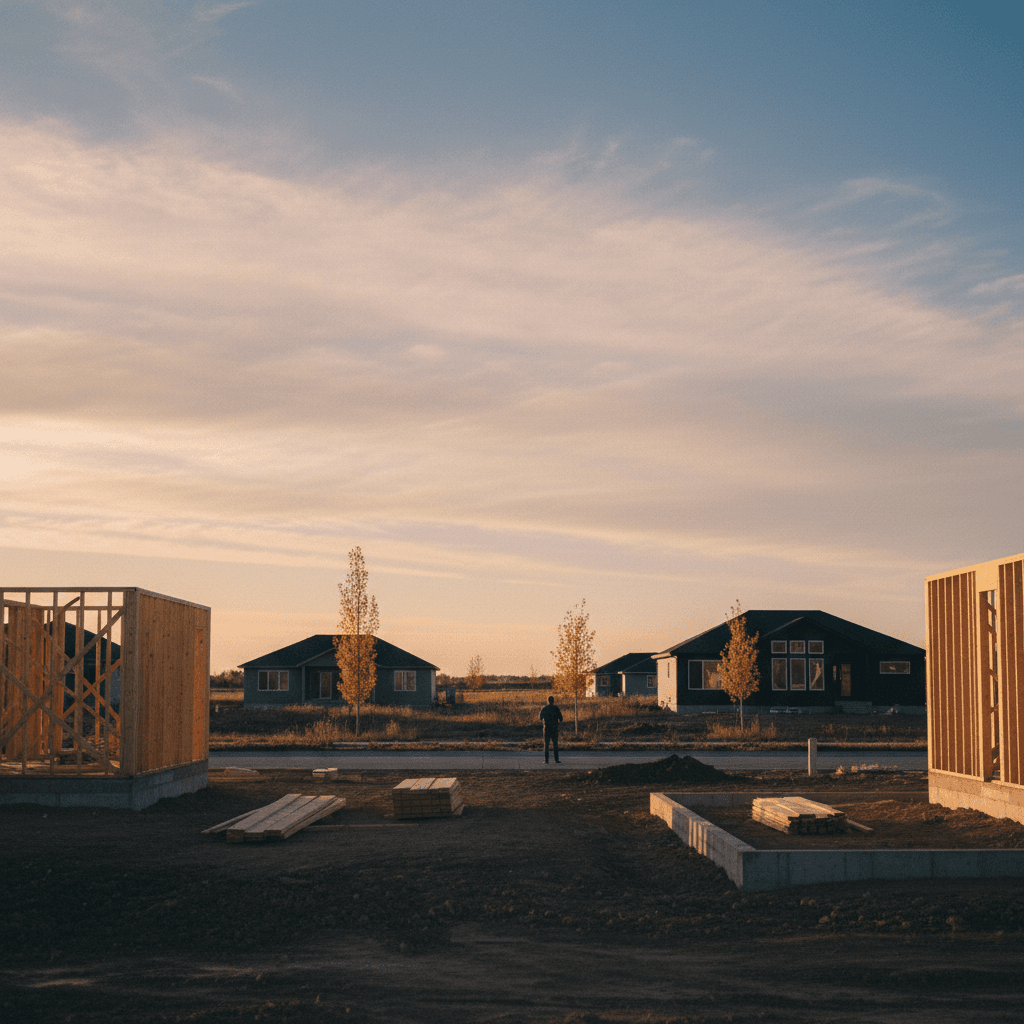
Pelican Rapids, Minnesota, a charming community nestled amidst the picturesque lakes of Otter Tail County, offers a unique blend of natural beauty, small-town charm, and a burgeoning local economy. For those considering a move, understanding the financial landscape is paramount. As market analysts, we delve into the nuances of the cost of living in Pelican Rapids, providing a data-driven guide to help prospective residents and investors make informed decisions. Our analysis extends beyond mere housing costs, exploring the broader economic factors that shape daily life in this vibrant Minnesota town. Learn more about Cost of Living in Pelican Rapids, MN: Budgeting for....

Understanding the Pelican Rapids Real Estate Market
Housing Costs and Market Trends
The real estate market in Pelican Rapids presents a compelling picture for both homebuyers and investors. Unlike some metropolitan areas experiencing volatile fluctuations, Pelican Rapids has demonstrated a steady and sustainable growth pattern. According to our latest market assessment, the median home price in Pelican Rapids stands at approximately $285,000, which is notably below the national median, offering significant value. This figure, however, represents an aggregate and can vary considerably depending on the neighborhood and property type. Learn more about Why Pelican Rapids, MN is the Smart Choice for Real....
For instance, properties within the Pelican Lakefront District, renowned for its direct access to Pelican Lake and stunning water views, command a premium. Here, median home prices can range from $450,000 to upwards of $800,000 for luxury estates. These properties often feature private docks, extensive landscaping, and larger square footage, appealing to those seeking a quintessential lake life experience. In contrast, the more suburban areas, such as the Prairie View Heights neighborhood on the town's eastern edge, offer more accessible price points, with homes typically ranging from $220,000 to $350,000. These areas are popular among families and first-time homebuyers, providing a strong sense of community and proximity to local schools. Learn more about First-Time Home Buyer’s Guide to Pelican Rapids, MN Real....
Rental costs in Pelican Rapids also reflect this diversity. A two-bedroom apartment in the downtown area might average around $950-$1,200 per month, while larger single-family homes for rent can range from $1,500 to $2,500, depending on size, amenities, and location. The vacancy rate remains relatively low, indicative of a healthy demand for both ownership and rental properties, which can be a factor for those seeking immediate housing.
Property Taxes and Homeowner Expenses
Beyond the initial purchase price, property taxes constitute a significant ongoing expense for homeowners. In Otter Tail County, property tax rates are calculated based on the assessed value of the property and local mill rates. For a median-priced home in Pelican Rapids, annual property taxes typically fall within the range of 1.2% to 1.5% of the property's market value. This translates to an annual tax bill of approximately $3,400 to $4,200 for a $285,000 home, a figure that is generally competitive when compared to neighboring counties and statewide averages.
Homeowner's insurance is another vital consideration. Due to Minnesota's climate, which can include harsh winters and occasional severe summer storms, insurance premiums can vary. On average, homeowners in Pelican Rapids can expect to pay between $1,200 and $1,800 annually for comprehensive coverage, though this can increase for lakefront properties requiring specialized flood or wind damage protection. Maintenance costs, while variable, should also be factored into a homeowner's budget. Given the age diversity of homes in Pelican Rapids, from historic downtown residences to newer constructions, an annual allocation of 1-2% of the home's value for maintenance and repairs is a prudent financial practice. Learn more about The Financial Guide to Relocating to Pelican Rapids, MN.
Cost of Everyday Living: Beyond Housing
Utilities and Household Services
Understanding utility costs is essential for a comprehensive financial outlook. In Pelican Rapids, electricity is primarily provided by Otter Tail Power Company, and natural gas by CenterPoint Energy. For an average 2,000 sq ft household, monthly electricity bills can range from $80 in milder months to $180 during peak summer (air conditioning) or winter (supplementary heating). Natural gas, predominantly used for heating, can see monthly averages of $60 in warmer seasons escalate to $200-$350 during the colder Minnesota winters. Water and sewer services, provided by the City of Pelican Rapids, typically add another $60-$90 per month, depending on household consumption.
Internet services are readily available, with providers offering various plans. High-speed internet packages generally cost between $60 and $100 per month. Waste management and recycling services are often included in property taxes or billed as a nominal monthly fee, usually around $25-$40. Overall, total utility expenses for a typical family in Pelican Rapids can range from $300 to $650 per month, a figure that aligns closely with state averages but can be significantly lower than costs in larger metropolitan areas.
Groceries, Transportation, and Healthcare
The cost of groceries in Pelican Rapids is generally on par with national averages, though some specialty items might be slightly higher due to transportation costs to a more rural area. Local options like Pelican Market Fresh provide convenient access to everyday necessities. A family of four can expect to spend between $800 and $1,100 per month on groceries. Local farmers' markets, particularly during the summer months, offer opportunities for fresh, locally sourced produce, potentially reducing costs and supporting local agriculture.
Transportation costs are largely influenced by vehicle ownership and fuel prices. While Pelican Rapids is walkable in its downtown core, most residents rely on personal vehicles for commuting and accessing amenities outside the immediate town center. Gasoline prices typically mirror national trends. Given the town's size, average daily commutes are shorter than in urban areas, potentially leading to lower fuel consumption. Public transportation options are limited, making a personal vehicle a near necessity. Vehicle insurance rates in Otter Tail County are generally reasonable, averaging $120-$180 per month for comprehensive coverage.
Healthcare services are accessible through local clinics and hospitals in nearby Fergus Falls or Detroit Lakes. The cost of healthcare, including insurance premiums, co-pays, and prescription drugs, largely depends on individual insurance plans. Pelican Rapids residents benefit from the regional healthcare network, which, while not as extensive as a major city, provides quality care. For a typical family, out-of-pocket healthcare expenses, beyond insurance premiums, might range from $100 to $300 per month, depending on health needs.
Employment and Income Landscape
Local Economy and Job Opportunities
The economy of Pelican Rapids is diversified, with agriculture, manufacturing, and tourism serving as primary pillars. The manufacturing sector, particularly in light industrial and food processing, provides a stable base of employment. Local businesses, including construction, retail, and service industries, also contribute significantly to the job market. The tourism sector, driven by the area's abundant lakes and recreational opportunities, experiences seasonal peaks, creating opportunities in hospitality, retail, and outdoor services, especially during the summer months.
While specific local income data can vary, our analysis indicates that the median household income in Pelican Rapids is approximately $58,000. This figure, while below the national median, is often offset by the lower cost of living, particularly in housing. Employment opportunities are generally stable, with a focus on skilled trades, healthcare support, and customer service roles. For those seeking professional positions, commuting to larger nearby cities like Fergus Falls or Detroit Lakes is a common option, expanding the job market considerably.

Financial Resources and Economic Development
Pelican Rapids actively supports its local economy through various initiatives. The City of Pelican Rapids and the local Chamber of Commerce work to attract new businesses and support existing ones, fostering a dynamic economic environment. Resources like the Otter Tail County Economic Development Authority provide assistance for business startups and expansions, which indirectly benefits residents through job creation and a robust local economy.
Local financial institutions, such as the Otter Tail County Credit Union, offer a range of services from personal banking to small business loans, catering to the community's financial needs. These institutions play a crucial role in supporting local homeownership and entrepreneurial endeavors, ensuring that capital is available for community growth and individual financial advancement.
Lifestyle Expenses: Recreation and Community
Recreational Activities and Entertainment
Life in Pelican Rapids is rich with opportunities for outdoor recreation and community engagement, many of which are remarkably affordable or even free. The town is surrounded by over 1,000 lakes in Otter Tail County, providing endless possibilities for fishing, boating, swimming, and kayaking. Access to public beaches, boat launches, and numerous parks, such as the Pelican Rapids City Park, comes with minimal to no cost.
Annual events like Pelican Fest and the Art in the Park festival offer free entertainment and cultural experiences, fostering a strong sense of community. For those interested in organized sports or fitness, the Pelican Rapids YMCA Community Center provides affordable membership options, including access to a swimming pool, gym, and various classes. Dining out offers a range of choices from casual eateries to family-friendly restaurants. A meal at a local restaurant might cost $15-$25 per person, while a casual coffee or pastry at a spot like Lake Life Cafe is more budget-friendly.
Education and Childcare Costs
For families, education and childcare expenses are significant considerations. Pelican Rapids Public Schools serve the community, offering K-12 education. As public schools, the direct costs of tuition are covered by taxes. However, indirect costs such as school supplies, extracurricular activities, and sports fees can add up. These typically range from a few hundred to over a thousand dollars per child annually, depending on participation levels.
Childcare services, while essential for working parents, can be a substantial expense. Infant care in the Pelican Rapids area can cost around $200-$250 per week, while preschool-aged childcare might range from $150-$200 per week. These costs, while significant, are generally lower than those found in major urban centers, reflecting the more affordable overall cost of living in the region. Availability of licensed childcare providers should be researched in advance, as spots can sometimes be limited.
Financial Planning for Relocation to Pelican Rapids
Budgeting and Savings Strategies
Relocating to Pelican Rapids offers a unique opportunity to optimize your financial planning. Given the more favorable housing market and generally lower cost of living compared to metropolitan areas, residents often find they can achieve a higher quality of life for their money. A robust budgeting strategy should account for the specific local cost structures we've outlined. We recommend creating a detailed budget that allocates funds for housing (mortgage/rent, taxes, insurance), utilities, groceries, transportation, healthcare, and discretionary spending. Utilizing local financial institutions for savings accounts or investment advice can also be beneficial, as they possess intimate knowledge of the regional economic landscape.
For those planning a move, building a solid savings cushion is critical. Aim for at least three to six months' worth of living expenses to cover unexpected costs or periods of transition. Exploring local employment opportunities before relocating can also ease the financial burden of a move. Additionally, understanding Minnesota's state income tax structure and property tax relief programs can provide further financial advantages for qualifying residents.
Long-Term Financial Outlook and Investment Opportunities
Pelican Rapids' steady economic growth and appealing lifestyle make it an attractive location for long-term financial planning and investment. The stable real estate market, particularly in desirable lakefront areas, offers potential for appreciation. Investing in local businesses, whether directly or indirectly through community initiatives, can also be a viable strategy for those looking to contribute to and benefit from the town's prosperity. Learn more about Investing in Luxury: The Financial Outlook for High-End....
The community's commitment to preserving its natural environment and fostering a welcoming atmosphere suggests continued appeal for residents and tourists alike, underpinning a positive long-term outlook. For retirees, the lower cost of living can significantly extend retirement savings, while families can benefit from the affordable housing and quality public education. By carefully managing finances and leveraging the unique economic advantages of Pelican Rapids, residents can build a secure and prosperous future in this charming Minnesota town.
In conclusion, Pelican Rapids, MN, offers a compelling financial proposition for individuals and families seeking a balanced lifestyle within a supportive community. While housing costs can vary by neighborhood, the overall cost of living remains attractive, particularly when compared to larger urban centers. A data-driven approach to understanding these costs, combined with strategic financial planning, can unlock the full potential of living in this picturesque lakeside community. Our analysis underscores that Pelican Rapids is not just a place to live, but a place where financial well-being and a high quality of life can genuinely converge.
Frequently Asked Questions
What is the average home price in Pelican Rapids, MN?
The median home price in Pelican Rapids is approximately $285,000. However, this can vary significantly; for instance, lakefront properties can range from $450,000 to over $800,000, while homes in suburban areas like Prairie View Heights typically fall between $220,000 and $350,000.
How do property taxes in Pelican Rapids compare to state averages?
Property taxes in Otter Tail County, where Pelican Rapids is located, typically range from 1.2% to 1.5% of a property's market value annually. For a median-priced home, this amounts to roughly $3,400 to $4,200 per year, which is generally competitive with statewide averages.
What are the typical monthly utility costs for a household in Pelican Rapids?
For an average 2,000 sq ft household, total monthly utility expenses (electricity, natural gas, water/sewer, internet, waste management) can range from $300 to $650, depending on seasonal usage and household size. Heating costs can be particularly higher in winter.
Are there good job opportunities in Pelican Rapids, MN?
Pelican Rapids has a diversified economy with opportunities in agriculture, manufacturing, and tourism. The median household income is around $58,000. While many jobs are in local services and skilled trades, commuting to nearby cities like Fergus Falls or Detroit Lakes can expand professional opportunities.
What are the childcare costs like in Pelican Rapids?
Childcare costs in the Pelican Rapids area are generally lower than in major urban centers. Infant care can cost around $200-$250 per week, while preschool-aged childcare might range from $150-$200 per week. It's advisable to research availability in advance.
Need help with your real estate journey?
Our team is here to help you navigate the market with confidence.