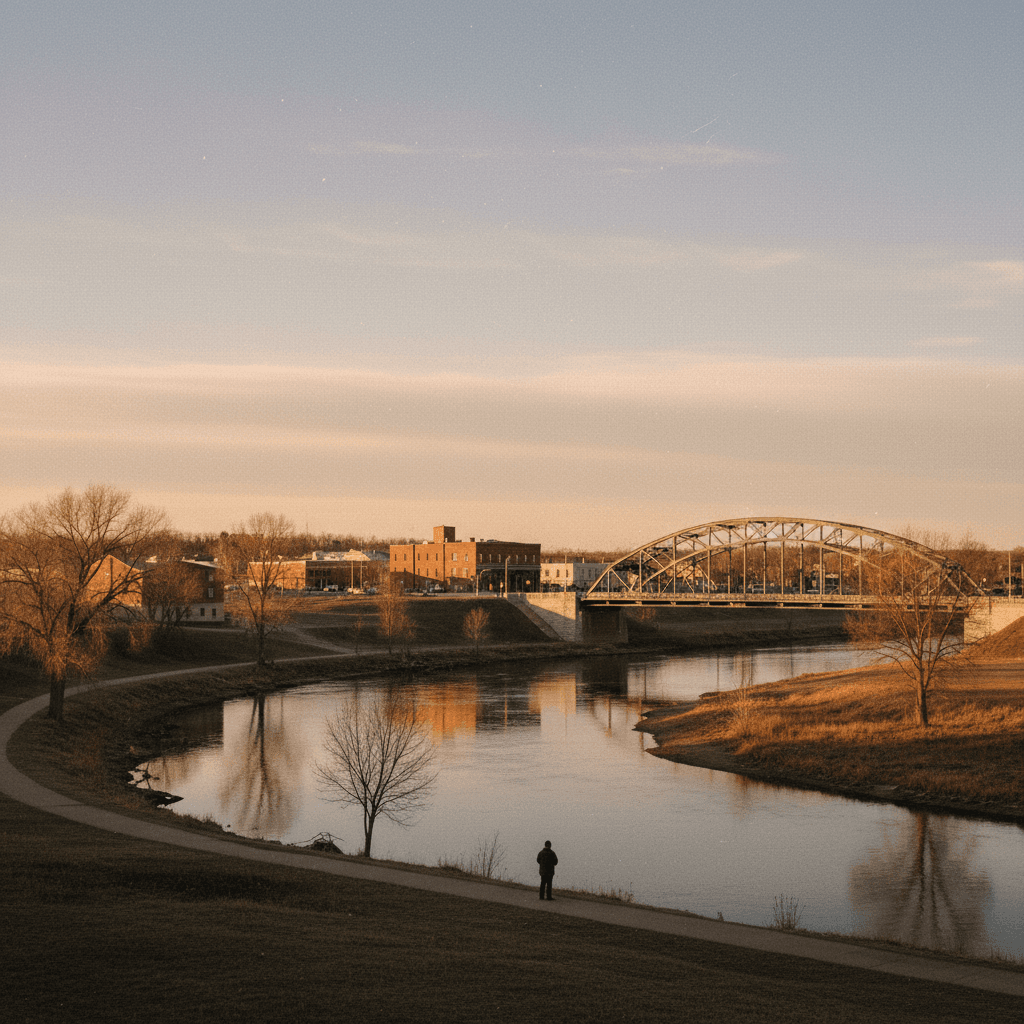
East Grand Forks, Minnesota, a vibrant community nestled along the Red River of the North, offers a unique blend of small-town charm and economic opportunity. For individuals and families considering a move or evaluating their financial standing within the region, understanding the nuances of the local cost of living is paramount. As a market analyst, my objective is to provide a data-driven overview of East Grand Forks' economic landscape, dissecting the various components that contribute to the overall lifestyle and financial outlook in this dynamic Minnesota city. This comprehensive guide will delve into housing, daily expenditures, employment, and community investments, offering a transparent look at what it truly costs to live and thrive here. Learn more about Understanding Property Taxes and Laws in East Grand Forks.

Understanding the East Grand Forks Economic Landscape
The economic vitality of East Grand Forks is closely linked to its agricultural roots, strategic location, and burgeoning service sectors. The city benefits significantly from its proximity to Grand Forks, North Dakota, forming a metropolitan area that provides a broader job market and diverse amenities. Unemployment rates in the region have historically remained competitive, often mirroring or falling below national averages, indicating a relatively robust local economy. Major employers span healthcare, education, manufacturing, and retail, offering a range of job opportunities for residents. For instance, the presence of institutions like Northland Community & Technical College contributes to a skilled local workforce and provides educational pathways, further bolstering the economic fabric.
Key Industries and Employment Opportunities
East Grand Forks and its twin city are anchors for several key industries. Agriculture remains a foundational element, with numerous related businesses supporting the vast farming operations in the Red River Valley. Beyond this, the Altru Health System is a significant employer, providing extensive healthcare services to the region. The University of North Dakota in Grand Forks also serves as a major economic engine, attracting students and faculty who often reside on both sides of the river. Retail and service industries are robust, catering to the needs of the local population and drawing consumers from surrounding rural areas. Data suggests that the average household income in East Grand Forks generally aligns with or slightly exceeds state averages for similar-sized communities, providing a solid foundation for local spending and economic stability. Learn more about East Grand Forks, MN Real Estate: A Financial Review of....
Income Levels and Economic Outlook
Analyzing income levels is crucial for assessing affordability. While specific figures fluctuate, median household incomes in East Grand Forks typically reflect the regional economic strength, supported by a diverse job market. According to recent economic reports, the area has experienced steady, albeit moderate, wage growth in key sectors. This growth, combined with a cost of living that is often more favorable than larger metropolitan areas, positions East Grand Forks as an attractive location for those seeking economic stability without the premium price tag. The city's ongoing development initiatives, including infrastructure improvements and support for local businesses, signal a positive long-term economic outlook, fostering an environment conducive to both personal and professional growth. Learn more about East Grand Forks, MN Neighborhoods: A Buyer’s Financial....
Housing Market Dynamics: Affordability and Investment
Housing is undeniably the largest single component of the cost of living for most individuals and families. In East Grand Forks, the housing market presents a compelling case for affordability compared to national benchmarks and even some other Minnesota cities. Both rental prices and home values offer accessible entry points, making homeownership a more attainable goal for a broader demographic.
Home Ownership vs. Renting in East Grand Forks
The decision between renting and owning is a significant financial one. In East Grand Forks, the median home price typically falls well below the national average, making it an attractive market for first-time homebuyers or those looking for more value for their investment. Property taxes, while a consideration, are generally consistent with regional norms and are often offset by lower purchase prices. For renters, the market offers a variety of options, from apartments to single-family homes, with average rents often more competitive than in larger urban centers. A recent analysis indicated that the average monthly mortgage payment for a median-priced home in East Grand Forks is often comparable to, or even less than, the average rent for a two-bedroom apartment, tipping the scales towards homeownership as a viable long-term strategy for many residents. Learn more about The Cost of Moving: Financial Planning for Relocating to....
Property Taxes and Home Value Trends
Property taxes in Minnesota are assessed based on market value and property classification. East Grand Forks homeowners can expect these taxes to be a notable part of their annual housing costs. However, the consistent appreciation of home values in recent years, albeit at a moderate pace, suggests a stable and growing real estate market. Data from the past five years shows a steady increase in median home values, indicating that real estate in East Grand Forks can be a sound long-term investment. This growth is supported by consistent demand and the overall economic health of the region. Prospective buyers should consult local tax authorities for precise estimates, but generally, the combination of accessible home prices and steady appreciation makes East Grand Forks a financially prudent choice for property investment.
Daily Expenses: Beyond the Mortgage
While housing dominates, the cumulative impact of daily expenses significantly shapes the overall cost of living. East Grand Forks offers a cost-effective environment for groceries, utilities, and transportation, which are critical considerations for any household budget.
Groceries and Household Necessities
The cost of food and household goods in East Grand Forks is generally on par with or slightly below the national average. Residents have access to a variety of grocery stores, including larger chains and local markets, allowing for competitive pricing. For example, local establishments like Hugo's Family Marketplace provide options for fresh produce and everyday essentials. A typical family's monthly grocery bill in East Grand Forks is estimated to be approximately 5-10% lower than in major metropolitan areas, contributing to considerable savings over the course of a year. Strategic shopping and utilizing local deals can further reduce these expenditures, enhancing overall financial flexibility.

Utilities, Transportation, and Healthcare Costs
Utility costs in East Grand Forks, encompassing electricity, natural gas, water, sewer, and refuse, are influenced by seasonal demands, particularly the colder Minnesota winters. However, providers like Xcel Energy and local municipal services generally offer competitive rates. Residents can anticipate average monthly utility bills that are manageable within a typical household budget. Transportation costs are also a key factor. While public transit options are limited, the compact nature of East Grand Forks means shorter commutes for many, reducing fuel consumption and vehicle wear. The average commute time is often below the national average, translating into both time and cost savings. Healthcare expenses, while highly variable based on individual needs and insurance coverage, are supported by the comprehensive services of the Altru Health System, a major regional provider. The cost of healthcare services in the region is generally in line with state averages, providing accessible care without excessive premiums.
Education, Recreation, and Community Investments
A community's investment in education and quality of life directly impacts its value proposition. East Grand Forks boasts a strong commitment to its educational system and provides ample recreational opportunities that enhance resident well-being without imposing excessive costs.
Public Education and Childcare
The East Grand Forks Public School District is dedicated to providing quality education from elementary through high school. State and local funding ensure that public schools are well-resourced, offering a range of academic programs and extracurricular activities. The cost of public education itself is covered by taxes, making it an accessible option for all residents. For families requiring childcare, costs can vary significantly based on age and type of facility. However, rates in East Grand Forks are generally more affordable than those found in larger urban centers, with several licensed daycare centers and in-home providers available. This affordability in childcare can represent substantial annual savings for working parents, further improving the overall financial feasibility of living in the area.
Recreational Opportunities and Local Amenities
East Grand Forks places a high value on quality of life, offering a wealth of recreational opportunities. The city is renowned for its extensive park system, including the Grand Forks Park District which manages facilities on both sides of the river, providing access to trails, sports fields, and community events. The East Grand Forks Civic Center serves as a hub for ice sports and community gatherings. Many of these amenities are free or low-cost, allowing residents to enjoy a rich lifestyle without significant financial strain. Local cultural events, festivals, and access to the Red River for outdoor activities like fishing and boating contribute to a vibrant community spirit. The presence of local businesses, such as restaurants like Paradox Pizza or local shops, further enhances the lifestyle offerings, providing convenient and enjoyable leisure options.
Taxation and Financial Planning in East Grand Forks
Understanding the tax environment is essential for comprehensive financial planning. Minnesota has a progressive income tax structure, and East Grand Forks residents are subject to state sales tax and property taxes, which collectively influence the overall cost of living.
State and Local Tax Considerations
Minnesota's state income tax rates are progressive, meaning higher earners pay a larger percentage of their income in taxes. While this can be a consideration, the overall tax burden is often balanced by the lower cost of goods and services compared to high-tax, high-cost-of-living states. The state sales tax applies to most goods and services, but essential items like groceries and clothing are often exempt or taxed at a lower rate. Property taxes, as mentioned, are a significant local revenue source and contribute to funding schools and municipal services. It's important for residents to factor these taxes into their annual budgets. On the positive side, Minnesota offers various tax credits and deductions that can help reduce the overall tax liability for eligible residents, making prudent financial planning even more beneficial.
Overall Financial Picture for Residents
When all financial components are considered—income, housing, daily expenses, and taxes—East Grand Forks presents an economically balanced environment. The city offers a compelling value proposition: a strong job market, affordable housing, and a high quality of life, all at a cost that is generally below national averages. For individuals and families seeking to maximize their financial stability and enjoy a comfortable lifestyle, East Grand Forks provides an attractive option. The community's commitment to growth, combined with its inherent advantages, positions it as a financially sound place to live, work, and invest. Strategic financial planning, leveraging the city's affordability, can lead to significant long-term savings and increased disposable income for residents. Learn more about The Economics of Aging in Place vs. Downsizing in East....
In conclusion, East Grand Forks, MN, represents a community where financial prudence can lead to a rewarding lifestyle. The data consistently points to an environment of relative affordability across key expenditure categories, from housing to daily necessities. Coupled with a stable job market and a strong commitment to public amenities and education, East Grand Forks offers a compelling narrative for those prioritizing economic stability and a high quality of life. For prospective residents, understanding these financial dynamics is the first step toward making an informed and beneficial move to this thriving Red River Valley community.
Frequently Asked Questions
What is the average cost of housing in East Grand Forks, MN?
The average cost of housing in East Grand Forks is generally more affordable than national averages. Median home prices typically fall below the national benchmark, making homeownership more accessible. Rental rates for apartments and homes are also competitive, offering a range of options for residents.
How do utility costs in East Grand Forks compare to other cities?
Utility costs in East Grand Forks are influenced by seasonal demands, particularly during winter. However, providers offer competitive rates, and overall utility bills (electricity, natural gas, water, sewer, refuse) are generally manageable and align with or are slightly below state averages for similar-sized communities.
What are the primary employment opportunities in East Grand Forks, MN?
East Grand Forks benefits from a diverse job market rooted in agriculture, healthcare (Altru Health System), education (Northland Community & Technical College, proximity to UND), manufacturing, and retail. The region's unemployment rates are often competitive, indicating a robust local economy with various opportunities.
Is East Grand Forks, MN, a good place for families with children?
Yes, East Grand Forks is considered a good place for families. The East Grand Forks Public School District provides quality education, and childcare costs are generally more affordable than in larger urban centers. The city also boasts an extensive park system and numerous recreational opportunities, enhancing the quality of life for families.
What is the overall financial outlook for residents in East Grand Forks?
The overall financial outlook for residents in East Grand Forks is positive. The city offers a compelling value proposition with a stable job market, affordable housing, and a high quality of life, all at a cost that is generally below national averages. Strategic financial planning can lead to significant long-term savings and increased disposable income.
Need help with your real estate journey?
Our team is here to help you navigate the market with confidence.