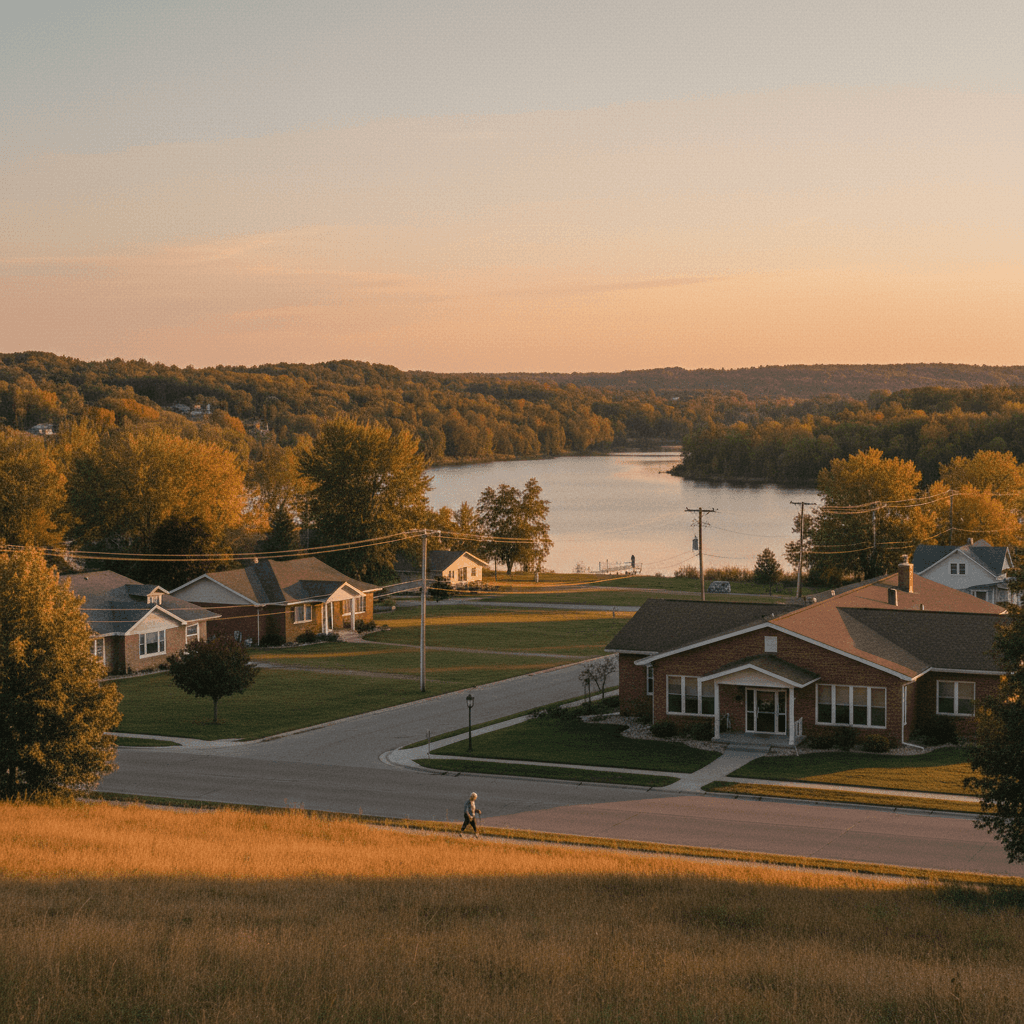
East Grand Forks, Minnesota, a vibrant community nestled along the Red River, offers a unique blend of small-town charm and economic vitality. For prospective homeowners, investors, or those simply considering a move, understanding the financial landscape of this distinct locale is paramount. This guide aims to provide a comprehensive financial perspective on East Grand Forks, dissecting its housing market, cost of living, investment potential, and the economic factors that shape its real estate value. By delving into the specifics of what makes East Grand Forks financially tick, we can equip you with the insights needed to make informed and strategic decisions. Learn more about East Grand Forks, MN Neighborhood Guide: Local News and....

Understanding the East Grand Forks Housing Market Landscape
The housing market in East Grand Forks is a dynamic environment, influenced by its strategic location, community amenities, and the broader economic trends of the region. A thorough understanding of its current state is the first step in any financial consideration, whether you're looking to buy your first home, upgrade, or invest in property. Learn more about Community and Connectivity: Why Home Buyers Are Choosing....
Current Market Dynamics: A Snapshot
Currently, East Grand Forks maintains a relatively stable and competitive housing market. While not experiencing the dramatic fluctuations seen in larger metropolitan areas, it has shown consistent growth, reflecting a healthy demand for properties. Median home prices here typically fall within an accessible range, making homeownership a tangible goal for many. Factors such as interest rates, local employment figures, and inventory levels play a significant role in shaping these dynamics. The market tends to favor buyers seeking value and community, while offering sellers a fair return on their investment.
Prospective buyers will find a variety of housing types, from charming older homes with established character to newer constructions catering to modern preferences. The pace of sales can vary, but well-maintained properties in desirable areas often move quickly, underscoring the importance of being prepared with financing. Working with a knowledgeable local real estate professional is crucial for navigating these nuances and identifying opportunities that align with your financial goals.
Diverse Housing Options and Their Value
East Grand Forks boasts a diverse portfolio of housing options, each carrying its own value proposition. Single-family homes, ranging from cozy starter houses to spacious family residences, constitute the majority of the market. The value of these properties is often tied to their age, size, condition, and, critically, their location within the city.
Beyond single-family dwellings, you'll find a selection of townhouses and duplexes, which can present attractive alternatives for those seeking lower maintenance or potential rental income. While large-scale apartment complexes exist, the owner-occupied market remains dominant, fostering a strong sense of community. Neighborhoods closer to the river, or those with direct access to amenities like the Greenway Trail System, often command higher prices due to their desirability and convenience. Understanding the specific characteristics and average values of homes in different areas of East Grand Forks is essential for making a financially sound purchase that meets both your lifestyle and investment objectives. Learn more about Neighborhood Spotlight: Exploring the Best Areas to Live....
Cost of Living: Beyond the Mortgage Payment
When evaluating a move to East Grand Forks, it's vital to look beyond just the sticker price of a home. The overall cost of living significantly impacts your financial well-being and long-term budget. This section will break down the various expenses you can expect, providing a clearer picture of what it truly costs to live comfortably in this Minnesota city. Learn more about The Cost of Living in East Grand Forks, MN: A Lifestyle....
Property Taxes and Local Levies
Property taxes are a substantial component of homeownership costs, and understanding the local tax structure in East Grand Forks is key. Minnesota's property tax system can be complex, varying by county and specific taxing districts. In East Grand Forks, property taxes contribute to funding local services such as schools, public safety, and infrastructure projects. While specific rates fluctuate, they are generally reflective of the property's assessed value. It's important to factor these annual costs into your monthly budget, as they can significantly impact your disposable income. Potential buyers should always request recent property tax statements for any home they are considering to get an accurate estimate.
These taxes are not static; they can change based on reassessments, local bond referendums, or legislative adjustments. Staying informed about local government decisions and engaging with community discussions can provide insight into potential future tax implications. For a clearer financial forecast, it's advisable to consult with a local real estate agent or tax professional who can provide current and projected tax information specific to East Grand Forks properties.
Everyday Expenses and Budgeting Considerations
Beyond housing, a comprehensive budget for East Grand Forks must account for everyday expenses. Generally, the cost of living here is competitive, often lower than in larger U.S. cities, particularly in categories like groceries, utilities, and transportation. For example, local grocery stores like Riverside Grocery offer a range of options that can help manage food costs effectively.
Utilities, including electricity, natural gas, water, and internet, are standard expenses. While Minnesota winters can lead to higher heating costs, well-insulated homes and energy-efficient appliances can mitigate some of these impacts. Transportation costs are often lower for residents who commute locally, as traffic is generally minimal compared to urban centers. However, for those who travel frequently to larger cities, fuel and vehicle maintenance should be budgeted accordingly. Healthcare, entertainment, and miscellaneous personal expenses also form part of the overall cost of living. By meticulously budgeting for these elements, individuals and families can ensure a stable financial footing in East Grand Forks. Learn more about Budgeting for Your First Home: A Financial Guide for....
Investment Potential and Long-Term Value Appreciation
East Grand Forks isn't just a place to live; it's also a market with discernible investment potential. For those looking to grow their wealth through real estate, understanding the factors that drive long-term value appreciation is crucial. This section explores the economic underpinnings and rental market dynamics that contribute to the city's investment appeal.
Economic Drivers and Growth Projections
The economic health of East Grand Forks is a primary indicator of its real estate investment potential. The city benefits from a diverse economic base, with agriculture, manufacturing, healthcare, and education playing significant roles. Its proximity to Grand Forks, North Dakota, a larger economic hub, also provides access to a broader job market and resources. Major employers and institutions in the region contribute to a steady influx of residents and a stable employment rate, which in turn supports housing demand.
Future growth projections for East Grand Forks are cautiously optimistic. Ongoing infrastructure projects, local business development initiatives, and regional economic collaborations are all designed to foster continued prosperity. Investors should look for signs of sustained job creation, population growth, and public/private partnerships that could enhance the city's appeal. A growing local economy translates directly into increased demand for housing, which is a fundamental driver of property value appreciation over time.
Rental Market Insights for Investors
For real estate investors, the rental market in East Grand Forks presents an attractive opportunity. The presence of students attending the University of North Dakota (just across the river in Grand Forks), along with a steady workforce, creates a consistent demand for rental properties. Single-family homes, duplexes, and multi-unit properties can all generate reliable rental income, provided they are well-managed and competitively priced.
Vacancy rates in East Grand Forks generally remain low, especially for well-maintained and updated units. Rental yields can be favorable, offering a solid return on investment compared to many larger, more saturated markets. Key considerations for potential landlords include understanding local landlord-tenant laws, property management costs, and the importance of regular maintenance to attract and retain quality tenants. Analyzing comparable rental rates in different neighborhoods can help investors set optimal pricing and maximize their returns. Investing in areas with good school districts or convenient access to essential services can also enhance a property's rental appeal and long-term value.

Financing Your East Grand Forks Home: Local Resources and Strategies
Securing the right financing is a cornerstone of any successful home purchase. In East Grand Forks, prospective buyers have access to a range of mortgage options and local lending institutions that can help navigate the complexities of real estate finance. Understanding these resources and strategies is crucial for a smooth and financially sound transaction.
Navigating Mortgage Options
The mortgage landscape offers various products tailored to different financial situations. Conventional loans, FHA loans, VA loans, and USDA loans are among the most common. Conventional loans typically require a higher credit score and down payment but can offer more flexible terms. FHA loans, backed by the Federal Housing Administration, are popular for first-time homebuyers due to their lower down payment requirements and more lenient credit criteria. VA loans offer exceptional benefits for eligible veterans and service members, often requiring no down payment.
For properties in designated rural areas around East Grand Forks, USDA loans can provide 100% financing, making homeownership accessible for those who qualify. It's imperative to compare interest rates, closing costs, and terms across different loan types and lenders. Pre-approval is a critical first step, as it clarifies your budget and demonstrates your seriousness to sellers in a competitive market. A well-chosen mortgage can significantly impact your long-term financial health, so careful consideration and professional advice are invaluable.
Local Lending Institutions and Support
Engaging with local lending institutions can offer distinct advantages for homebuyers in East Grand Forks. Community banks and credit unions often have a deeper understanding of the local market dynamics and can provide more personalized service than larger national banks. For example, institutions like Riverbend Community Bank may offer specific loan programs or a more streamlined application process tailored to local residents.
These local lenders are often invested in the community's growth and may be more flexible in their underwriting, especially for long-standing residents or those with unique financial circumstances. They can also be excellent resources for information on local first-time homebuyer programs, grants, or down payment assistance initiatives that might not be widely advertised. Building a relationship with a local loan officer can not only simplify the financing process but also provide a valuable resource for future financial planning. Their expertise in East Grand Forks' specific real estate environment can be a significant asset in securing the best possible terms for your home loan.
Community Amenities and Their Financial Impact
The amenities and services available within a community are not just about quality of life; they also have a direct and indirect financial impact on property values, cost of living, and investment desirability. East Grand Forks offers a range of public and private amenities that contribute to its overall financial appeal.
Education and Family-Friendly Investments
The quality of local schools is a significant factor for families considering a move, and it directly influences property values. East Grand Forks Public Schools are a cornerstone of the community, offering comprehensive educational programs from elementary through high school. A strong school system not only attracts families but also helps to maintain property values in surrounding neighborhoods, making homes in these areas a more stable long-term investment. Proximity to well-regarded schools can often command a premium in the real estate market.
Beyond traditional schooling, the presence of parks, community centers, and youth programs adds to the family-friendly appeal, indirectly enhancing property values. These amenities reduce the need for private expenditures on recreation and enrichment, offering a financial benefit to residents. For investors, properties located within desirable school districts or close to family-oriented amenities often see consistent demand and better appreciation rates.
Recreational Opportunities and Quality of Life
East Grand Forks prides itself on its abundant recreational opportunities, which significantly contribute to the quality of life and, consequently, to property values. The city's extensive park system, including Central Park, and the aforementioned Greenway Trail System, provide residents with free or low-cost options for outdoor activities. Access to these green spaces and recreational facilities is a powerful draw for homebuyers, enhancing the perceived value of properties nearby.
Furthermore, local establishments like The Blue Moose Bar & Grill contribute to a vibrant social scene, offering dining and entertainment options that foster community engagement. A high quality of life, characterized by accessible recreation and a strong community fabric, translates into a desirable place to live. This desirability underpins sustained demand for housing, supporting property values and offering a robust environment for both homeowners and investors. The financial benefits extend beyond direct property appreciation, encompassing the savings on entertainment and the health benefits derived from an active lifestyle.
Conclusion
East Grand Forks, MN, presents a compelling picture for anyone evaluating real estate through a financial lens. From its stable housing market and manageable cost of living to its promising investment potential and the valuable impact of its community amenities, the city offers a well-rounded opportunity. Understanding the nuances of property taxes, local economic drivers, and financing options is essential for making a sound decision that aligns with your financial aspirations. Whether you're seeking a place to call home, a strategic investment, or a community that balances affordability with quality of life, East Grand Forks merits serious consideration. By taking a comprehensive approach to its financial landscape, you can confidently navigate the market and unlock the full potential this vibrant Minnesota city has to offer.
Frequently Asked Questions
What is the typical range for property taxes in East Grand Forks, MN?
Property taxes in East Grand Forks vary based on the assessed value of the property and specific taxing districts. While exact figures fluctuate, they are generally competitive within the region and contribute to local services like schools and public safety. Prospective buyers should always consult recent tax statements for specific properties or speak with a local real estate professional for precise estimates.
How has the housing market in East Grand Forks performed over the last five years?
Over the past five years, the East Grand Forks housing market has shown consistent stability and modest growth. While not experiencing the rapid appreciation of larger metropolitan areas, it has maintained a healthy demand, balanced inventory, and steady property value increases, making it a reliable market for both homeowners and investors.
Are there specific neighborhoods in East Grand Forks known for better investment returns?
Neighborhoods in East Grand Forks with strong investment potential often include those close to the Red River, areas with good access to the Greenway Trail System, or those within desirable school districts. Properties near community amenities and with good connectivity tend to see consistent demand and better long-term appreciation, particularly for rental income.
What local financing options are available for first-time homebuyers in East Grand Forks?
First-time homebuyers in East Grand Forks can explore various financing options, including FHA loans with lower down payments, VA loans for eligible veterans, and potentially USDA loans for properties in qualifying rural areas. Local banks and credit unions, such as Riverbend Community Bank, often offer personalized services and may be aware of specific local grants or assistance programs for first-time buyers.
How does the cost of living in East Grand Forks compare to larger Minnesota cities?
The cost of living in East Grand Forks is generally more affordable than in larger Minnesota cities like Minneapolis or St. Paul. While housing costs are a significant factor, everyday expenses such as groceries, utilities, and transportation are often lower. This makes East Grand Forks an attractive option for those seeking a high quality of life without the higher price tag associated with major urban centers.
Need help with your real estate journey?
Our team is here to help you navigate the market with confidence.