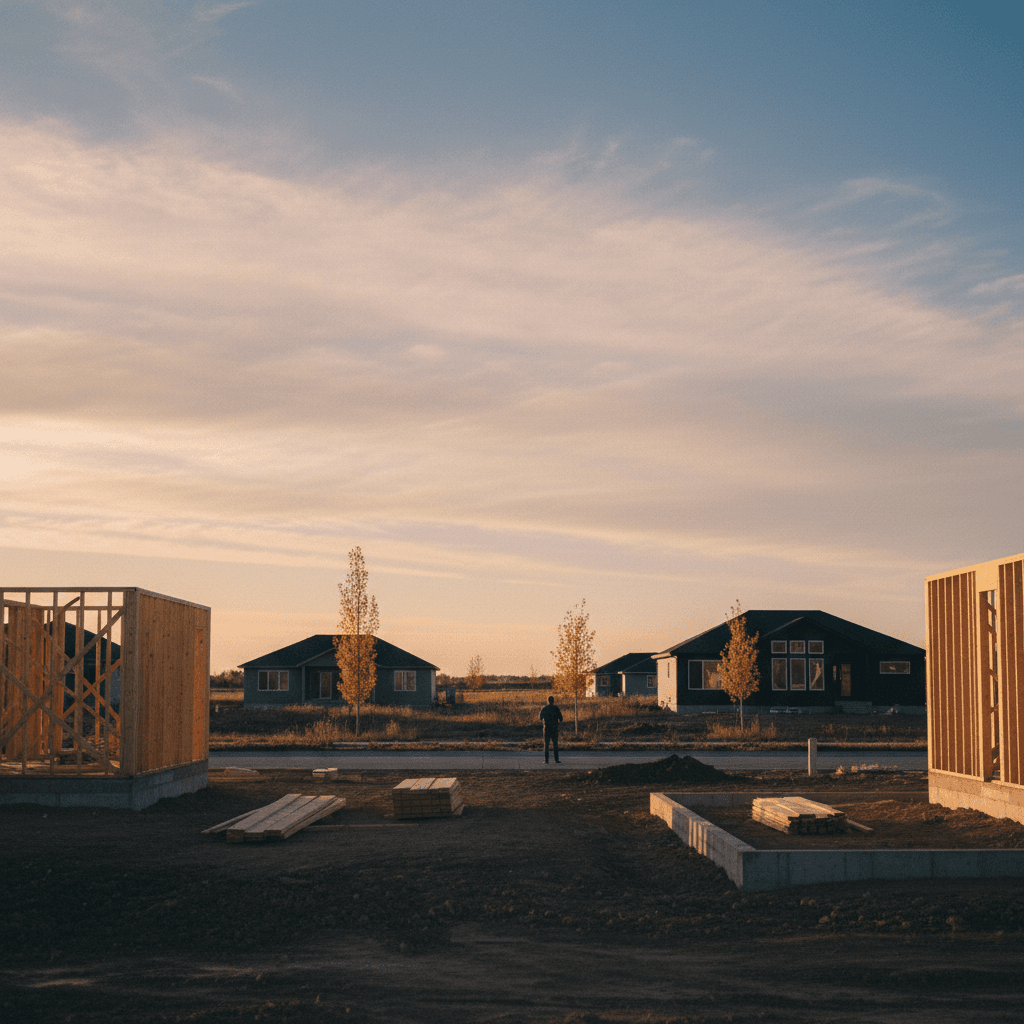
Fargo, North Dakota, is a city brimming with opportunity, friendly faces, and a vibrant community spirit. Whether you're drawn to its burgeoning job market, its top-notch educational institutions like North Dakota State University, or its lively downtown scene, the dream of owning a home here is a tangible one for many. However, for first-time homebuyers, the journey through mortgages and financing can seem daunting. It’s a significant financial commitment, but with the right guidance, it’s entirely manageable. This comprehensive guide is designed to demystify the process, offering clear, actionable insights into securing your dream home in Fargo. We’ll walk you through everything from understanding your credit to choosing the right loan, all while highlighting how these steps apply specifically to the Fargo real estate market. Get ready to turn that dream of living near Fargo Parks or enjoying a coffee at Young Blood Coffee into a reality.

Getting Mortgage Ready: Your Financial Foundation in Fargo
Understanding Your Credit Score
Your credit score is like your financial report card, and lenders in Fargo will scrutinize it closely. Generally, a higher score means better interest rates and more favorable loan terms. Before you even think about looking at homes in neighborhoods near Fargo North High School or Fargo South High School, pull your credit reports from all three major bureaus (Equifax, Experian, and TransUnion). Review them carefully for any errors and dispute them immediately. Lenders typically look for scores above 620 for conventional loans, though government-backed loans like FHA might accept lower. Improving your credit score involves paying bills on time, keeping credit utilization low, and avoiding new lines of credit before applying for a mortgage. In Fargo’s competitive market, a strong credit profile can give you a significant advantage. Learn more about Financing Your Move: Mortgage Tips for Buying a Home in....
Assessing Your Debt-to-Income Ratio (DTI)
Beyond your credit score, lenders will evaluate your debt-to-income (DTI) ratio. This ratio compares your total monthly debt payments to your gross monthly income. Most lenders prefer a DTI of 43% or lower, though some might go up to 50% for specific loan types. To calculate your DTI, add up all your monthly debt payments – student loans, car payments, credit card minimums, and any other recurring debts – and divide that by your gross monthly income. A lower DTI indicates you can comfortably manage your new mortgage payments alongside your existing financial obligations. If your DTI is high, consider paying down some debts before applying for a loan. This could mean cutting back on discretionary spending, perhaps opting for a cozy evening at home instead of dining out at Doolittles Woodfire Grill every weekend, at least until your DTI is where it needs to be. Learn more about Mortgage and Financing Guide for Homebuyers in Horace, ND.
Pre-Approval: Your Essential Passport to the Fargo Market
Why Pre-Approval Matters in Fargo
In Fargo's dynamic housing market, a mortgage pre-approval is more than just a piece of paper; it's your golden ticket. It demonstrates to sellers that you are a serious, qualified buyer, giving your offer significant weight, especially when multiple bids are on the table. Imagine finding your dream home in a desirable area near Edgewood Golf Course or close to the amenities around Sanford Health Fargo, only to lose it because another buyer had their financing ready. Pre-approval helps you avoid this heartbreak. It involves a lender reviewing your financial information – income, assets, and credit history – to determine how much they are willing to lend you. This step provides a realistic budget, preventing you from falling in love with homes outside your financial reach.
The Pre-Approval Process: What to Expect
The pre-approval process typically involves submitting an application and providing various financial documents. You'll need recent pay stubs, W-2s, bank statements, and tax returns. The lender will also perform a hard inquiry on your credit report. It's important to understand that pre-approval is not a loan commitment; it's an estimate. However, it's a robust estimate that empowers you to shop with confidence. When you're ready to make an offer, having a pre-approval letter in hand can make your offer stand out, potentially speeding up the negotiation process. Remember, shop around for pre-approvals from a few different lenders to compare terms and interest rates, but do so within a short window (e.g., 14-45 days) to minimize the impact on your credit score.
Decoding Mortgage Types for Fargo Homebuyers
Conventional Loans: Flexibility and Stability
Conventional loans are the most common type of mortgage and are not insured or guaranteed by the government. They typically require a good credit score (usually 620+) and a down payment of at least 3% (though 20% is ideal to avoid Private Mortgage Insurance, or PMI). For homebuyers looking at properties in established Fargo neighborhoods, perhaps close to downtown attractions like the Fargo Theatre or local favorites like Hornbacher's, conventional loans offer great flexibility. They come in fixed-rate and adjustable-rate options. Fixed-rate mortgages provide stable monthly payments for the life of the loan, which is excellent for budgeting. Adjustable-rate mortgages (ARMs) start with a lower interest rate that can change after an initial fixed period, potentially offering lower initial payments but with the risk of future increases.
Government-Backed Loans: FHA, VA, and USDA
Fargo homebuyers also have access to several government-backed loan programs designed to help specific groups achieve homeownership:
- FHA Loans: Insured by the Federal Housing Administration, FHA loans are popular for first-time buyers due to their lower credit score requirements (as low as 580 with a 3.5% down payment, or 500-579 with 10% down) and more lenient debt-to-income ratios. While they require mortgage insurance premiums (MIP), they can be a lifeline for those who might not qualify for conventional loans. Many homes across Fargo, from newer developments near Fargo Davies High School to charming older residences, are eligible for FHA financing.
- VA Loans: A fantastic benefit for eligible service members, veterans, and surviving spouses, VA loans are guaranteed by the Department of Veterans Affairs. They offer incredible advantages, including no down payment requirement, no private mortgage insurance, and competitive interest rates. If you're a veteran considering a home in Fargo, perhaps close to the VA Health Care System, a VA loan could be your best option.
- USDA Loans: Guaranteed by the U.S. Department of Agriculture, these loans are designed for low-to-moderate income borrowers purchasing homes in eligible rural and suburban areas. While Fargo itself is a city, some surrounding areas just outside the city limits might qualify. USDA loans also offer 0% down payment options, making them highly attractive if your desired location fits the criteria.
Down Payments, Closing Costs, and Beyond: Budgeting for Your Fargo Home
Saving for Your Down Payment
The down payment is often the biggest hurdle for first-time homebuyers. While some loans like VA and USDA offer 0% down, and FHA offers 3.5%, conventional loans can require anywhere from 3% to 20% or more. A larger down payment can mean lower monthly payments, less interest paid over the life of the loan, and no PMI with conventional loans. Saving strategically is key. Consider setting up an automatic savings plan, cutting back on non-essential expenses, and exploring down payment assistance programs specific to North Dakota or Fargo. For example, opting for homemade meals more often instead of frequenting local eateries like Maxwells Restaurant can significantly boost your savings.
Understanding Closing Costs in Fargo
Closing costs are a collection of fees paid at the close of your real estate transaction, typically ranging from 2% to 5% of the loan amount. These aren't part of your down payment but are additional expenses you need to budget for. In Fargo, these costs can include:
- Lender Fees: Origination fees, underwriting fees, and appraisal fees.
- Third-Party Fees: Title insurance, attorney fees, recording fees, and survey fees.
- Prepaid Expenses: Escrow deposits for property taxes and homeowner's insurance.
It's crucial to get a detailed Loan Estimate from your lender early in the process, which outlines all anticipated closing costs. Don't be afraid to ask questions and negotiate certain fees. Sometimes, sellers might agree to cover a portion of closing costs, especially in a buyer's market.
Ongoing Homeownership Costs in Fargo
Beyond your mortgage payment, down payment, and closing costs, remember that homeownership comes with ongoing expenses. These include property taxes, homeowner's insurance, utilities, and maintenance. Fargo's property taxes vary by location and assessed value, so research the specific area you're interested in. Homeowner's insurance is essential to protect your investment, especially given North Dakota's weather patterns. Budget for utilities like heating (which can be significant in Fargo's winters!), cooling, water, and electricity. And always set aside a fund for unexpected repairs and routine maintenance – whether it's shoveling snow, maintaining your yard near Lindenwood Park, or addressing a leaky faucet. Learn more about Navigating Mortgage Options and Home Financing in....
Navigating Local Lenders and Resources in Fargo, ND
Choosing the Right Mortgage Lender
Finding the right mortgage lender is just as important as finding the right home. While national banks offer competitive rates, local lenders in Fargo often have a deeper understanding of the local market and can provide more personalized service. They might also be more familiar with local assistance programs. When evaluating lenders, consider:
- Interest Rates and Fees: Compare Loan Estimates carefully.
- Customer Service: Read reviews and ask for recommendations. A responsive lender can make a huge difference in a fast-moving market.
- Loan Programs Offered: Ensure they offer the type of loan that best suits your financial situation.
- Local Expertise: Do they understand Fargo's unique market conditions and property values?
Don't hesitate to interview a few different lenders. A good mortgage professional will take the time to explain your options clearly and guide you through every step of the process, from pre-approval to closing.
Exploring Local and State Homebuyer Assistance Programs
North Dakota offers various programs designed to help first-time homebuyers, and Fargo residents may be eligible for some of them. These programs can include down payment assistance, closing cost assistance, or favorable loan terms. The North Dakota Housing Finance Agency (NDHFA) is an excellent resource for exploring state-level programs like the First-Time Homebuyer Program or the HomeAccess program. Additionally, some local community development organizations in Fargo might offer specific grants or assistance for low-to-moderate income buyers. It's worth researching these options thoroughly, as they can significantly reduce your upfront costs and make homeownership more attainable. A quick search for "Fargo first-time homebuyer programs" can reveal valuable opportunities.
Making an Offer and Closing the Deal in Fargo
Crafting a Competitive Offer with Confidence
With your pre-approval in hand and a clear understanding of your budget, you're ready to make an offer. Your real estate agent will be invaluable in this stage, helping you determine a competitive offer price based on comparable sales in Fargo neighborhoods, whether you're looking at a historic home near Island Park or a family-friendly house closer to Trollwood Park. Beyond the price, an offer includes contingencies like a home inspection and financing. A strong pre-approval letter from a reputable lender strengthens your offer, signaling to sellers that your financing is solid. Your agent will also help you understand the current market conditions – is it a buyer's or seller's market? This will influence how aggressively you can negotiate.
The Home Inspection and Appraisal Process
Once your offer is accepted, two critical steps follow: the home inspection and the appraisal. A professional home inspection is non-negotiable. It's your opportunity to uncover any potential issues with the property, from the roof to the foundation. In Fargo, where homes experience all four seasons, it's particularly important to check for things like proper insulation, HVAC system functionality, and potential water damage. Based on the inspection report, you may negotiate repairs with the seller or ask for credits. Simultaneously, your lender will order an appraisal to ensure the home's value matches the purchase price. This protects both you and the lender, ensuring you're not overpaying for the property. If the appraisal comes in lower than the agreed-upon price, you may need to renegotiate with the seller, bring more cash to closing, or even walk away from the deal if a resolution can't be found.
The Grand Finale: Closing on Your Fargo Home
The closing day is the exciting culmination of your homebuying journey. This is where all the documents are signed, funds are transferred, and ownership officially changes hands. You'll typically meet with your real estate agent, lender representative, and a title company representative. Be prepared to sign a lot of paperwork, including the promissory note for your mortgage and the deed to your new property. It's a good idea to review the Closing Disclosure document, which provides a final breakdown of all costs, at least three days before closing. Once everything is signed and recorded, you'll receive the keys to your new home in Fargo! Congratulations, you've officially become a homeowner in this wonderful city. Learn more about Buying a Home in Fergus Falls, MN: Mortgage Options and....
Buying a home in Fargo, ND, is a significant milestone, and navigating the world of mortgages and financing is a crucial part of that journey. From understanding your credit and debt-to-income ratio to securing a pre-approval and choosing the right loan, each step brings you closer to owning a piece of this vibrant community. Remember to explore local resources, budget for all associated costs, and lean on experienced professionals like real estate agents and lenders. With careful planning and the insights provided in this guide, your dream of homeownership in Fargo, whether it's near the bustling downtown or a quiet neighborhood with easy access to Island Park, is well within reach. Welcome home! Learn more about Navigating Financing & Mortgages in Fargo, ND's Dynamic....
Frequently Asked Questions
What are the typical credit score requirements for a mortgage in Fargo?
For conventional loans in Fargo, lenders generally look for a credit score of 620 or higher. However, government-backed loans like FHA can be more lenient, accepting scores as low as 580 with a 3.5% down payment, or even 500-579 with a 10% down payment. VA loans don't have a minimum credit score set by the VA itself, but most lenders will have their own requirements, typically in the low 600s.
Are there any specific first-time homebuyer programs available in Fargo, ND?
Yes, the North Dakota Housing Finance Agency (NDHFA) offers several state-level programs that Fargo residents can utilize, such as the First-Time Homebuyer Program and HomeAccess. These programs often include down payment and closing cost assistance or favorable interest rates. It's recommended to check the NDHFA website or consult with a local Fargo lender who is familiar with these state-specific initiatives.
How much should I budget for closing costs when buying a home in Fargo?
Closing costs in Fargo, as with most places, typically range from 2% to 5% of the total loan amount. These fees cover various expenses like lender origination fees, appraisal fees, title insurance, and prepaid property taxes and homeowner's insurance. It's crucial to get a detailed Loan Estimate from your lender early in the process to understand the specific costs associated with your home purchase.
What's the benefit of getting pre-approved for a mortgage before looking at homes in Fargo?
Getting pre-approved for a mortgage is highly beneficial in the Fargo housing market. It provides a clear understanding of how much you can afford, allowing you to focus your home search within a realistic budget. More importantly, a pre-approval letter signals to sellers that you are a serious and qualified buyer, which can make your offer more attractive and competitive, especially in a market with multiple interested parties.
What ongoing costs should I anticipate beyond my mortgage payment when owning a home in Fargo?
Beyond your monthly mortgage payment, you should budget for several ongoing homeownership costs in Fargo. These include property taxes, which vary by location and assessed value, and homeowner's insurance to protect against North Dakota's diverse weather. Utilities, especially heating during the long winters, can be a significant expense. Additionally, always set aside funds for routine maintenance, unexpected repairs, and potential HOA fees if applicable to your property.
Need help with your real estate journey?
Our team is here to help you navigate the market with confidence.