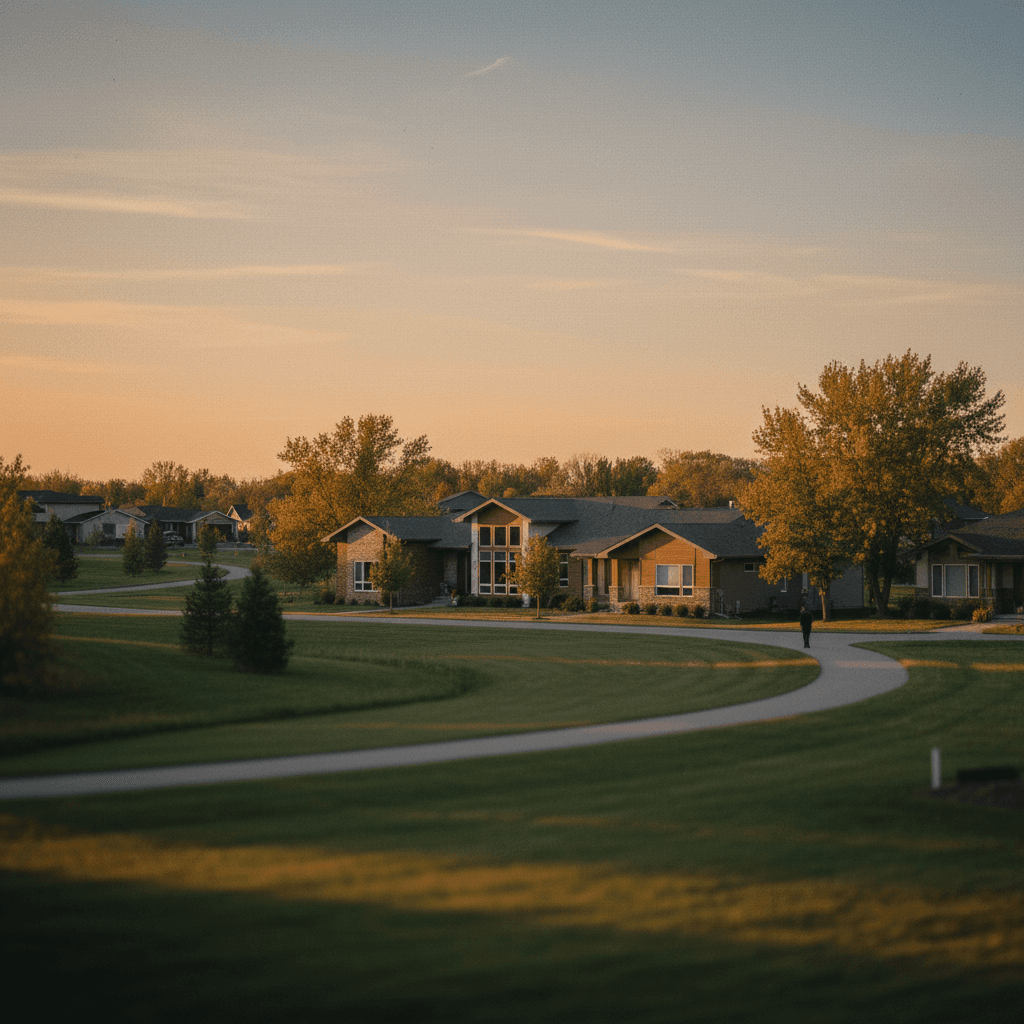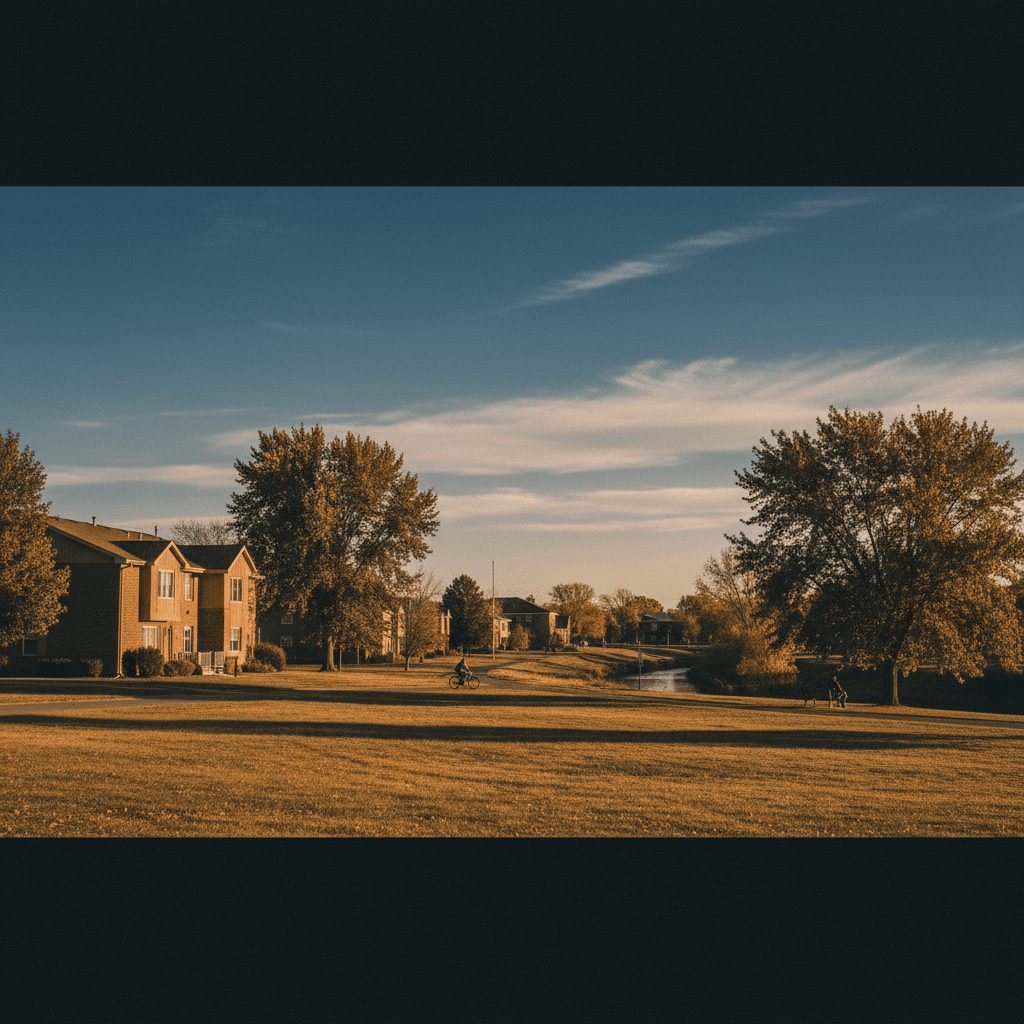
Fargo, North Dakota, a city often lauded for its robust economy and friendly community, presents a compelling case for both prospective homebuyers and those considering selling. Understanding the local lifestyle and the true cost of living is paramount for making informed real estate decisions. This analysis delves into Fargo's unique blend of urban amenities and Midwestern charm, providing a data-driven perspective on what it means to live, buy, and sell property in this dynamic Red River Valley hub. Learn more about Investing in Fargo, ND: A Comprehensive Real Estate Guide.

Understanding Fargo's Housing Market & Affordability
The Fargo-Moorhead metropolitan area consistently ranks high in terms of affordability and quality of life. For individuals and families looking to buy, understanding the current market dynamics is crucial. For sellers, appreciating the value proposition of their property in this growing market is key to maximizing returns. Learn more about Fargo Real Estate Market Report: Your Guide to Buying.
Current Market Trends and Home Values
Fargo's housing market has experienced steady growth, often outperforming national averages in terms of stability and appreciation. As of recent market analyses, the median home price in Fargo hovers around $300,000, which is notably below the national median, offering significant value. This affordability, coupled with a strong job market driven by sectors like healthcare, technology, and agriculture, fuels consistent buyer demand. Inventory levels typically remain balanced, preventing extreme fluctuations that can characterize more volatile markets. For sellers, this means a healthy pool of motivated buyers, often resulting in competitive offers and reasonable timeframes on the market. Buyers, while facing competition, benefit from relatively lower entry points and favorable interest rates compared to larger metropolitan areas. The market's resilience is a testament to Fargo's economic stability and continuous population growth, attracting new residents seeking opportunity and a high quality of life.
Property Taxes and Insurance
Beyond the mortgage, property taxes and home insurance are significant components of homeownership costs. In Fargo, property taxes are assessed at a local level, with rates that are generally considered moderate compared to other cities of similar size. For a median-priced home, annual property taxes might range from $3,000 to $4,500, depending on specific mill levies and exemptions. Buyers should factor these into their monthly budget, while sellers should be aware that prospective buyers will certainly consider these recurring costs. Home insurance premiums in Fargo are influenced by factors such as the age and construction of the home, as well as the risk of severe weather events, including hailstorms and potential flooding from the Red River. While flood insurance is typically only required in designated flood zones, it's a consideration for properties near the river or in low-lying areas. Comprehensive homeowner's insurance, covering standard perils, is essential and generally priced competitively. Homeowners should regularly review their policies to ensure adequate coverage. Learn more about Selling Your Home in Fargo, ND: A Local Expert's Guide.
Cost of Daily Living: Beyond the Mortgage
The overall cost of living in Fargo extends far beyond housing. Daily expenses, from groceries to transportation, contribute significantly to a household's financial landscape. Understanding these costs helps both buyers budget effectively and sellers articulate the true economic advantages of living in Fargo.
Utilities and Transportation
Utility costs in Fargo are influenced by the region's distinct seasons. Winters necessitate higher heating expenses, while summers can see increased cooling costs. On average, a typical household might expect to pay between $150-$250 for electricity and natural gas combined per month, with water, sewer, and garbage services adding another $80-$120. High-speed internet averages around $60-$80. These figures are generally in line with or slightly below national averages. Transportation is predominantly car-dependent, though Fargo does offer public transit through MATBUS. Gasoline prices are typically consistent with regional averages. For many residents, the convenience of a shorter commute compared to larger cities means less time and money spent on daily travel. For example, the average commute time in Fargo is approximately 15-20 minutes, significantly less than the national average, which translates to tangible savings in fuel and vehicle maintenance over time.
Groceries and Dining
Grocery expenses in Fargo are competitive, with a variety of options to suit different budgets and preferences. Major chains like Hornbacher's and Cash Wise Foods offer comprehensive selections, while membership warehouses like Costco Wholesale provide bulk savings. For those seeking specialty items, Natural Grocers, Trader Joe's, and Whole Foods Market cater to specific dietary and lifestyle needs. Data indicates that grocery costs in Fargo are often slightly below the national average. When it comes to dining out, Fargo boasts a vibrant culinary scene. Upscale options like Doolittles Woodfire Grill offer refined American cuisine, while Mezzaluna provides a fine Italian experience. More casual, yet highly popular, spots include Rhombus Guys Pizza and Vinyl Taco for creative street food. The cost of a meal at a mid-range restaurant is typically around $15-$25 per person, making dining out an accessible pleasure for many residents.
Education and Family Life in Fargo
For families considering a move, the quality of local education and the abundance of family-friendly activities are critical factors. Fargo excels in providing robust educational opportunities and a supportive environment for raising children.
Public and Private School Options
Fargo is served by the Fargo Public Schools district, which consistently ranks among the best in North Dakota. High schools like Fargo North High School, Fargo South High School, and Fargo Davies High School are known for strong academic programs, diverse extracurricular activities, and competitive athletics. These schools offer a comprehensive curriculum designed to prepare students for higher education and careers. For those seeking private education, Oak Grove Lutheran School and Shanley High School provide faith-based learning environments with strong academic traditions. Furthermore, Fargo is home to North Dakota State University (NDSU), a major research institution, offering a wide array of undergraduate and graduate programs and contributing significantly to the city's intellectual and cultural vibrancy. The presence of NDSU also means access to various community programs, cultural events, and collegiate sports, enriching the overall family experience.
Parks, Recreation, and Family Activities
Fargo's commitment to green space and recreation is evident in its extensive park system. Island Park, a historic downtown gem, offers walking trails, playgrounds, and hosts summer concerts, providing a central gathering spot. Lindenwood Park, along the Red River, features a nature center, camping facilities, and scenic trails perfect for outdoor enthusiasts. Trollwood Park is renowned for its performing arts school and beautiful natural setting. For year-round fitness and aquatic activities, Fargo Parks Fitness Centers offer multiple locations with pools and workout facilities. Families can also enjoy the Red River Zoo, an AZA-accredited facility focusing on cold-climate animals, or take in a game or event at the Scheels Arena & Sports Complex. These amenities underscore Fargo's dedication to a high quality of life, offering diverse options for recreation and family bonding.
Healthcare and Community Services
Access to quality healthcare and a strong sense of community are essential considerations for any resident. Fargo boasts a robust healthcare infrastructure and a multitude of community-focused organizations.
Access to Quality Healthcare
Fargo serves as a regional healthcare hub, providing comprehensive medical services to a wide area. Major institutions like Sanford Health Fargo and Essentia Health Fargo offer full-service hospitals, specialty clinics, and emergency care, ensuring residents have access to advanced medical treatment. The VA Health Care System provides dedicated services for veterans, while Family HealthCare focuses on primary and preventive care for the community. The presence of these top-tier medical facilities not only ensures high-quality care but also contributes significantly to the local economy and job market. For homebuyers, proximity to such medical resources can be a significant advantage, especially for families or individuals with specific healthcare needs. This robust healthcare network provides peace of mind and underscores Fargo's appeal as a place to live long-term.
Community Engagement and Worship
Fargo is known for its strong community spirit and numerous opportunities for civic and spiritual engagement. A variety of religious institutions cater to diverse faiths, including historic congregations like First Lutheran Church and St. Mary's Cathedral downtown, as well as active communities like Bethel Church Fargo and Hope Lutheran Church. These institutions often serve as community anchors, offering programs, outreach, and social gatherings that foster connection. Beyond religious organizations, Fargo has a vibrant volunteer culture and numerous civic groups. The sense of community is further enhanced by local events, festivals, and farmers' markets that bring residents together. This strong social fabric contributes to a welcoming environment, making it easier for new residents to integrate and feel at home, which is a significant factor for those buying into a new community.
Fargo's Vibrant Culture and Entertainment Scene
A thriving cultural and entertainment scene adds immense value to a city's lifestyle, attracting residents and boosting local commerce. Fargo offers a rich tapestry of arts, dining, and recreational pursuits.
Arts, Entertainment, and Dining
Fargo's downtown area, in particular, is a hub of cultural activity. The historic Fargo Theatre, an art deco masterpiece, hosts films, concerts, and special events year-round. The Plains Art Museum showcases regional and national art, while the Fargo Moorhead Community Theatre provides live theatrical productions. For larger events, the Fargodome brings in major concerts and sporting events. The city also boasts a burgeoning coffee culture, with local favorites such as Young Blood Coffee, Atomic Coffee, Twenty Below Coffee, and Babb's Coffee House providing cozy spots for socializing or working. The dining scene continues to evolve, with options ranging from upscale establishments like Maxwells Restaurant to casual, popular spots like JL Beers and Usher's House of Ale. The Roger Maris Museum, located within West Acres Mall, offers a unique historical attraction for sports fans. This diverse array of options ensures there's always something to do, enriching the daily lives of Fargo residents.
Fitness and Outdoor Pursuits
Maintaining an active lifestyle is easy in Fargo, thanks to its extensive network of fitness centers and outdoor spaces. Beyond the Fargo Parks Fitness Centers, facilities like Scheels Arena & Sports Complex and Courts Plus Community Fitness offer comprehensive amenities, including racquet sports, swimming pools, and various classes. For those preferring 24-hour access, Anytime Fitness Fargo has multiple convenient locations. Outdoor enthusiasts can take advantage of Fargo's beautiful parks and recreational areas. Golfers can enjoy the premier 18-hole Edgewood Golf Course, complete with a driving range. Mickelson Park and Dike West Park offer ample space for sports fields, playgrounds, and picnics. The city's commitment to maintaining these public spaces allows residents to enjoy the outdoors year-round, from walking and biking in warmer months to cross-country skiing and ice skating in winter, promoting a healthy and active lifestyle. Learn more about Relocating to Fargo, ND: A Comprehensive Buyer's Guide.
Conclusion
Fargo, ND, offers an attractive blend of affordability, economic opportunity, and a high quality of life, making it a desirable location for both buying and selling real estate. The city's stable housing market, reasonable cost of living, excellent educational institutions, robust healthcare system, and vibrant cultural scene collectively create a compelling environment. For those looking to invest in a home, Fargo represents a sound financial decision coupled with the promise of a welcoming community. For current homeowners, the city's continuous growth and appeal ensure a strong market for their properties. Understanding these multifaceted aspects of Fargo's lifestyle and cost of living is key to navigating its real estate landscape successfully. Learn more about Navigating Financing & Mortgages in Fargo, ND's Dynamic....
Frequently Asked Questions
What is the average home price in Fargo, ND?
The median home price in Fargo, ND, currently hovers around $300,000. This figure is generally below the national median, making Fargo an attractive market for affordability while still offering steady appreciation and a strong value proposition for homeowners.
How do property taxes in Fargo compare to other cities?
Property taxes in Fargo are generally considered moderate compared to other cities of similar size. For a median-priced home, annual property taxes typically range from $3,000 to $4,500, depending on specific mill levies and exemptions. It's a key factor to budget for when considering homeownership in the area.
What are the typical utility costs in Fargo, ND?
Utility costs in Fargo are influenced by seasonal variations, with higher heating costs in winter and cooling costs in summer. On average, a typical household might expect to pay between $150-$250 for electricity and natural gas combined per month, with water, sewer, and garbage services adding another $80-$120. Internet typically costs $60-$80.
What healthcare options are available in Fargo?
Fargo is a regional healthcare hub with comprehensive medical services. Major institutions include Sanford Health Fargo and Essentia Health Fargo, offering full-service hospitals, specialty clinics, and emergency care. The VA Health Care System and Family HealthCare also provide dedicated services, ensuring residents have access to high-quality medical treatment.
Is Fargo, ND, a good place for families with children?
Yes, Fargo is highly regarded as a family-friendly city. It boasts top-ranked public schools like Fargo North, South, and Davies High Schools, as well as private options. The city offers extensive parks and recreation facilities, including Island Park, Lindenwood Park, and the Red River Zoo, along with numerous community programs and events, making it an excellent environment for raising children.
Need help with your real estate journey?
Our team is here to help you navigate the market with confidence.