The dream of building a custom home, tailored exactly to your vision, is a powerful one. In a vibrant and growing community like Horace, North Dakota, where new developments are shaping a family-friendly landscape, that dream feels more attainable than ever. But here’s the thing: financing a new build is a little different from buying an existing home. It requires understanding a specific financial product known as a new construction loan. Don't worry, it's not as complex as it sounds, and by the end of this guide, you'll have a clear roadmap to making your Horace dream home a reality. Learn more about Budgeting for Your Purchase: Financial Steps to Buying a....
Horace offers a unique blend of small-town charm with access to the amenities of the wider West Fargo area. Imagine designing a home near the welcoming green spaces of Horace Lions Park or knowing your children will attend top-notch institutions like Horace Elementary and Horace High School, part of the excellent West Fargo School District. Building here means investing in a community that values growth, education, and quality of life. Let's dive into how you can finance this exciting journey.

Understanding New Construction Loans: More Than Just a Mortgage
When you buy an existing home, you typically get a single mortgage that covers the purchase price. With a new construction loan, things are structured a bit differently because there's no finished house to secure the loan against initially. Instead, you're financing the land purchase (if you don't already own it), the construction costs, and eventually, the completed home itself. Learn more about Mortgage and Financing Guide for Homebuyers in Horace, ND.
What Makes Them Different?
The primary difference lies in the disbursement of funds. Unlike a traditional mortgage, a construction loan isn't paid out in one lump sum. Instead, funds are released in stages, known as 'draws,' as construction milestones are met. For example, once the foundation is complete, a portion of the loan is released. When the framing is up, another draw is made, and so on. This phased approach protects both you and the lender, ensuring that money is only spent as work is completed and inspected.
During the construction phase, you typically only pay interest on the amount of money that has been drawn, not on the full loan amount. This can make monthly payments more manageable while your home is being built. Once construction is complete, the construction loan either converts into a permanent mortgage or is paid off by a separate, traditional mortgage.
Types of Construction Loans
There are generally two main types of new construction loans:
- Construction-to-Permanent Loan (One-Time Close): This is often the most popular option for first-time builders because it simplifies the process. You apply for one loan that covers both the construction phase and the permanent financing. Once your home is complete, the loan automatically converts into a standard mortgage (fixed-rate or adjustable-rate) without the need for a second closing or additional closing costs. This means less paperwork and fewer fees for you.
- Standalone Construction Loan (Two-Time Close): With this option, you secure one loan for the construction phase and then, once the home is built, you apply for a separate, traditional mortgage to pay off the construction loan. This requires two separate application processes, two closings, and two sets of closing costs. While it offers flexibility (you can shop for the best permanent mortgage rates after construction), the one-time close option is often preferred for its convenience and cost savings.
Understanding these differences is your first step. For many aspiring Horace homeowners, the one-time close construction-to-permanent loan provides the most straightforward path to their dream build.
Navigating the New Construction Loan Process in Horace
Embarking on a new build in Horace is an exciting venture, but it involves a structured process, especially when it comes to financing. Knowing what to expect can help you prepare and ensure a smoother journey from blueprint to move-in day.
Assembling Your Dream Team
Building a home isn't a solo endeavor; it's a team effort. Before you even apply for a construction loan, you'll want to have a few key players in place:
- Your Builder: This is arguably the most critical member of your team. You'll need a reputable, experienced builder with a strong track record, ideally with experience building in Horace or the surrounding West Fargo area. Your lender will want to vet your builder's credentials, financial stability, and project history. Don't hesitate to ask for references and tour previously built homes.
- Architect/Designer: Unless you're using a pre-designed plan from your builder, an architect or designer will help bring your vision to life, creating detailed blueprints and specifications that meet local building codes and your aesthetic preferences.
- Your Lender: Not all lenders specialize in construction loans. It’s crucial to work with a mortgage professional who has extensive experience with new construction financing. They understand the nuances of draws, inspections, and the conversion process. They can guide you through the specific requirements for building in Horace, ensuring your project aligns with local regulations and appraisal standards.
These team members will collaborate closely, especially during the planning and draw phases, to ensure your project stays on track and within budget.
The Loan Application and Approval
Applying for a new construction loan involves more documentation than a traditional mortgage. Here's what you can expect:
- Detailed Plans and Specifications: Your lender will require a complete set of blueprints, detailed material specifications, and a comprehensive construction contract from your builder. This allows them to assess the project's scope and cost accurately.
- Itemized Budget: A detailed breakdown of all construction costs, including labor, materials, permits, and contingency funds, is essential. This budget forms the basis for your loan amount and draw schedule.
- Builder's Credentials: As mentioned, your lender will review your builder's license, insurance, financial statements, and references to ensure they are qualified and reliable.
- Appraisal Based on Future Value: Unlike a traditional appraisal that values an existing property, a construction loan appraisal estimates the home's value upon completion. This 'as-completed' appraisal is crucial for determining the maximum loan amount you can receive.
- Financial Documentation: You'll provide standard financial documents, including income verification, asset statements, and credit history, just like with any other mortgage application.
Once approved, you'll establish a draw schedule with your lender and builder. This schedule outlines when specific portions of the loan funds will be released as construction progresses and certain milestones are met.
Key Factors for Qualifying and Ensuring a Smooth Build
Qualifying for a new construction loan has specific requirements that go beyond those for purchasing an existing home. Understanding these factors will help you prepare financially and increase your chances of a successful build in Horace. Learn more about Maximizing ROI: Financial Strategies for Selling Your....
Financial Readiness
Lenders view construction loans as having a slightly higher risk due to the unknowns involved in building. Therefore, they often have stricter qualification criteria:
- Credit Score: A strong credit score (typically 680 or higher, often 720+ for the best rates) is crucial. It demonstrates your financial responsibility and ability to manage debt.
- Debt-to-Income (DTI) Ratio: Lenders will scrutinize your DTI ratio to ensure you can comfortably handle the new loan payments, often looking for a DTI below 43%.
- Down Payment: New construction loans generally require a larger down payment than conventional mortgages for existing homes. While 5% or 10% might be sufficient for a traditional purchase, construction loans often require 15% to 25% down. This higher equity stake mitigates risk for the lender.
- Contingency Funds: It's highly advisable to have a contingency fund, typically 10-15% of the total construction cost, set aside. This fund acts as a buffer for unforeseen expenses, material cost increases, or design changes that inevitably arise during construction. Having this reserve demonstrates your financial prudence to lenders.
Being financially prepared for these aspects will not only help you qualify but also provide peace of mind throughout the building process.
Vetting Your Builder
Your builder is your partner in this journey, and their expertise and reliability are paramount. Lenders will perform their own due diligence on your chosen builder, but you should too:
- Experience and Reputation: Look for builders with a proven track record, especially in new developments around Horace. Ask for references and speak to past clients. A builder who understands local regulations and has established relationships with local subcontractors can make a significant difference.
- Licensing and Insurance: Verify that your builder is properly licensed and carries adequate liability insurance and workers' compensation. This protects you from potential issues during construction.
- Detailed Contract: Ensure you have a comprehensive contract that clearly outlines the scope of work, timeline, payment schedule (aligned with your loan's draw schedule), material specifications, warranty information, and change order procedures. Clarity here prevents misunderstandings down the line.
- Communication: A good builder communicates regularly and transparently. You want someone who will keep you informed of progress, potential delays, and budget updates.
A strong partnership with a reliable builder is just as important as securing the right financing for a smooth and enjoyable building experience in Horace.
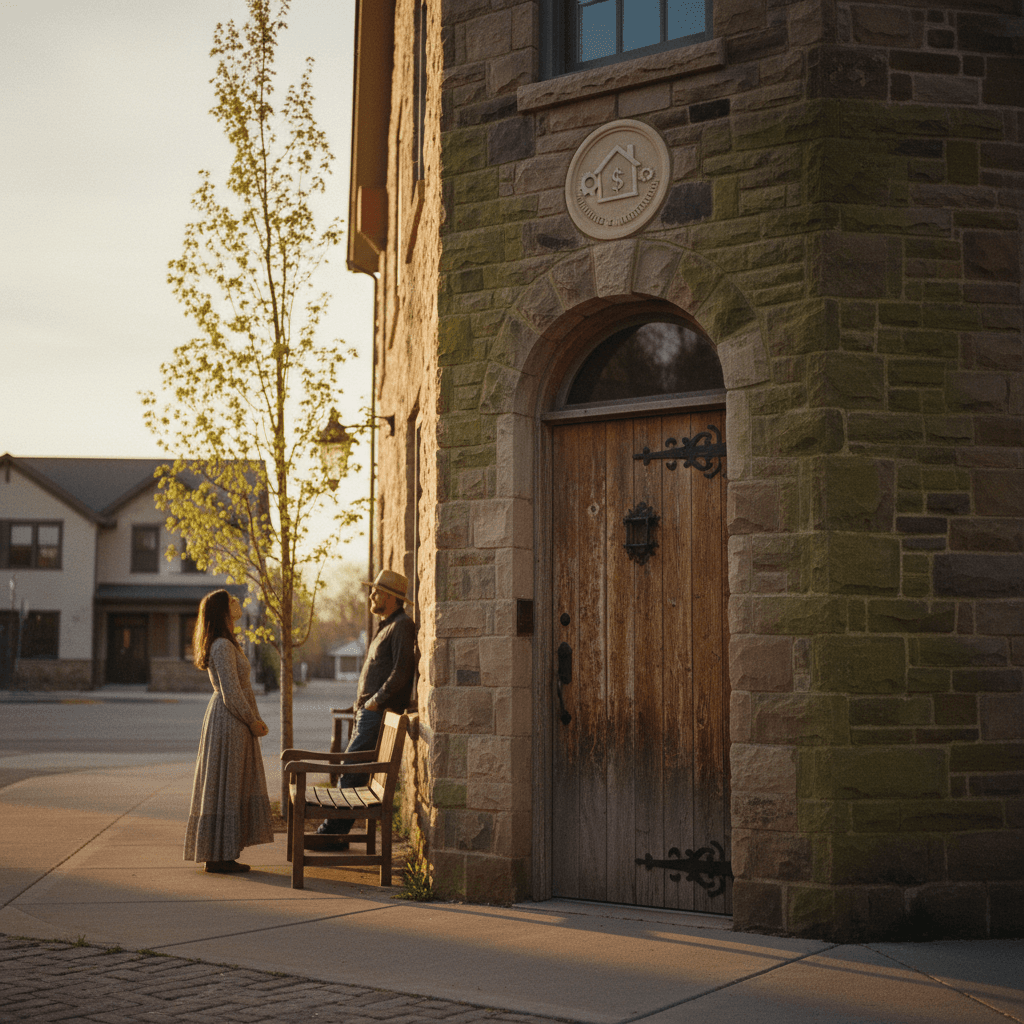
Building Your Dream Home in Horace: Local Advantages and Community Life
Choosing to build a new home in Horace, ND, isn't just about the house itself; it's about becoming part of a thriving, welcoming community. The town's continuous growth and focus on family-friendly amenities make it an increasingly desirable place to settle down. Learn more about Horace, ND Rental Market Update: Availability and....
Why Horace is a Great Place to Build
Horace offers a unique opportunity for new construction. It's a community that is expanding thoughtfully, providing residents with modern infrastructure and a sense of belonging. The availability of new lots and developments means you have more choices to find the perfect spot for your custom home, whether you're looking for a quiet cul-de-sac or a lot with easy access to main thoroughfares.
For families, the educational opportunities are a major draw. Horace boasts excellent schools like Horace Elementary and the new Horace High School, both integral parts of the respected West Fargo School District. Knowing your children will have access to quality education within their own community is a significant advantage and a strong selling point for future home value.
Community Life and Recreation
Beyond the educational system, Horace is dedicated to fostering a strong community spirit through its parks and recreational facilities. Imagine spending sunny afternoons with your family at Horace Lions Park, complete with a playground and shelter perfect for gatherings. Or perhaps a leisurely stroll through Horace City Park, enjoying the open green spaces and walking paths.
The town also offers local conveniences and charming spots to unwind. After a long day of planning your new home, you might enjoy a casual meal and drinks at The Dirty Daiquiri, a local bar and grill that captures the friendly, laid-back atmosphere of Horace. These local amenities contribute to a high quality of life and make Horace more than just a place to live; it's a place to thrive.
Building here means you're investing in a community with a bright future, where your custom home will be surrounded by thoughtful development, excellent schools, and inviting public spaces.
Managing Your Construction Project and Finances for Success
Once your construction loan is approved and building begins, effective management of both the project and your finances becomes paramount. This phase requires attention to detail and proactive communication with your builder and lender.
Monitoring Progress and Disbursements
The draw schedule is the financial backbone of your construction project. As construction milestones are met (e.g., foundation complete, framing complete, roof on, interior rough-ins), your builder will request a 'draw' from the loan. Before funds are released, your lender will typically send an inspector to verify that the work has been completed according to the plans and specifications. This inspection protects you by ensuring you're only paying for work that's actually done and up to standard.
It's vital for you to stay engaged during this process. Regularly visit your construction site (with your builder's permission and safety guidelines in mind) to observe progress. Keep open lines of communication with your builder, asking questions and addressing any concerns promptly. Understanding the draw schedule and inspection process will help you feel more in control and ensure your project stays on track financially.
Budgeting for the Unexpected
Even with the most meticulous planning, construction projects can encounter unforeseen challenges. Material costs can fluctuate, weather delays can push timelines, or you might decide on a last-minute design change. This is why having a contingency budget – that 10-15% buffer we discussed earlier – is so critical.
Treat your contingency fund as sacred. Try not to dip into it for non-essential upgrades unless absolutely necessary. It's there to cover surprises, not desires. If you do need to make changes that impact the budget, ensure they are documented with formal 'change orders' signed by both you and your builder. These change orders will detail the cost implications and revised timelines, ensuring transparency and avoiding disputes later on. Staying disciplined with your budget and having that financial cushion will help you navigate any bumps in the road without derailing your dream build in Horace.
Making Your Horace New Build a Reality
Building a new home in Horace, ND, is an incredible journey filled with decisions, excitement, and the immense satisfaction of seeing your vision come to life. While the financing aspect might seem daunting at first, breaking it down into manageable steps and understanding the unique nature of new construction loans makes it much more approachable. From securing the right loan to assembling a trustworthy team and managing the project's finances, each step brings you closer to owning a home that perfectly fits your lifestyle in this wonderful community. Learn more about Living in Horace, ND: Essential Homeownership Tips for....
Horace offers a fantastic environment for new homeowners, with its strong school district, beautiful parks, and a growing local economy. Don't let the complexities of construction financing deter you from pursuing your dream. With careful planning, the right support, and a clear understanding of the process, your custom-built home in Horace isn't just a dream – it's a tangible reality waiting to happen. Start by connecting with local lenders experienced in new construction and reputable builders in the Horace area today. Your future home awaits!
Frequently Asked Questions
What is the main difference between a new construction loan and a traditional mortgage in Horace, ND?
The main difference is how funds are disbursed and the loan's structure. A traditional mortgage provides a lump sum for an existing home. A new construction loan, however, releases funds in stages (draws) as your home is built, and you typically only pay interest on the drawn amount during construction. It then either converts to a permanent mortgage or is paid off by one.
How much of a down payment do I typically need for a new construction loan in Horace?
New construction loans generally require a larger down payment than traditional mortgages due to the higher perceived risk. While it can vary by lender and your financial profile, you should typically expect to put down between 15% to 25% of the total project cost. It's also wise to have an additional 10-15% as a contingency fund for unforeseen expenses.
What role does my builder play in the construction loan process?
Your builder is a crucial partner in the construction loan process. They provide the detailed plans, specifications, and budget that your lender needs to approve the loan. Lenders will also vet your builder's credentials, experience, and financial stability. During construction, the builder manages the project and requests 'draws' for funds as milestones are completed, which are often verified by lender inspections.
Can I include the cost of the land in my new construction loan if I don't already own it?
Yes, in most cases, a new construction loan can cover the cost of purchasing the land along with the construction of the home. This is often part of a single loan package, especially with a Construction-to-Permanent (one-time close) loan, simplifying the financing process for homebuyers who are starting from scratch in Horace.
What if construction costs go over budget during my new build in Horace?
Cost overruns can happen, which is why having a contingency fund (typically 10-15% of the total project cost) is highly recommended. If costs exceed the original budget, you would typically use your contingency fund. For significant overruns beyond your reserves, you might need to secure additional financing, which could involve a loan modification or a personal loan, depending on the situation and your lender's policies. Always communicate any budget changes with your lender and builder promptly through formal change orders.
Need help with your real estate journey?
Our team is here to help you navigate the market with confidence.