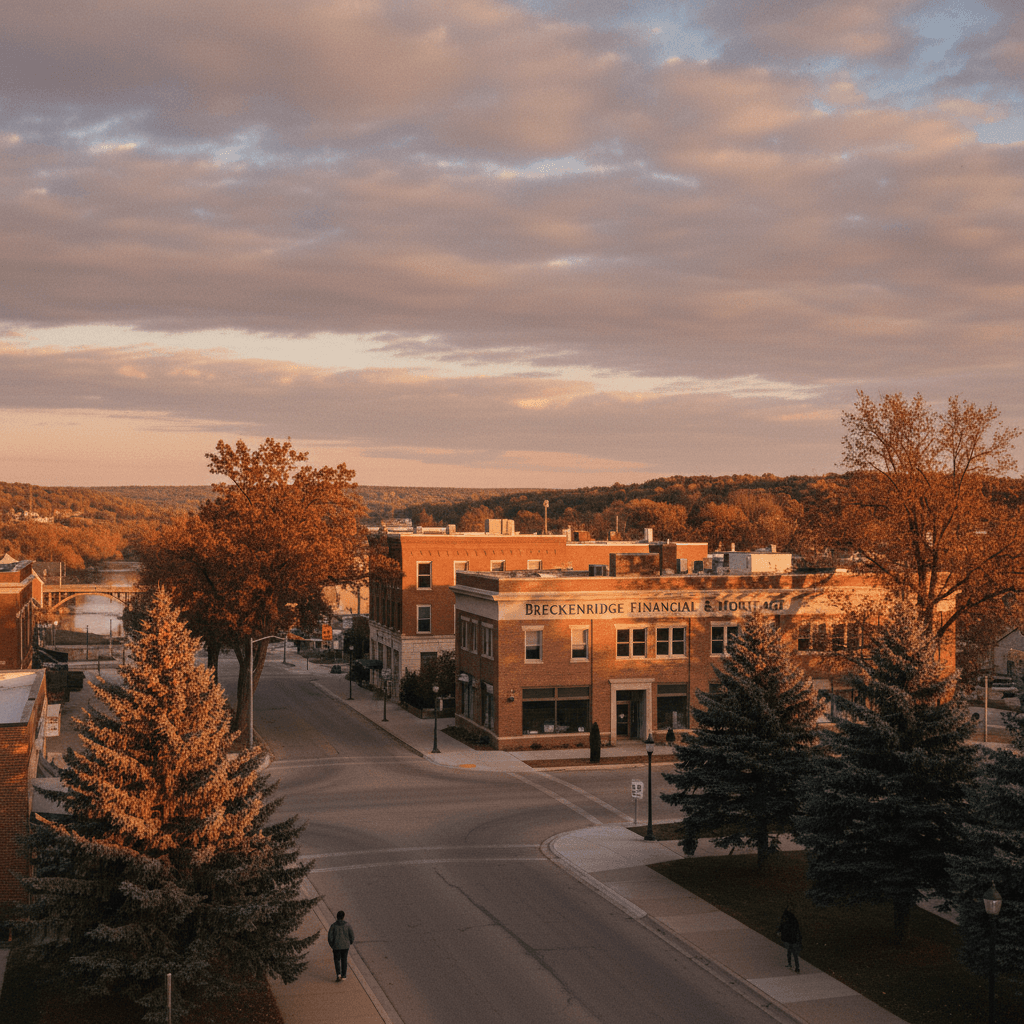
For homeowners and prospective buyers in Wahpeton, North Dakota, navigating the intricacies of property taxes and real estate law is not merely a bureaucratic exercise; it's a critical component of sound financial planning. As a vibrant community situated along the Red River, Wahpeton offers a unique blend of small-town charm and economic stability, largely influenced by institutions like the North Dakota State College of Science and a robust agricultural sector. Understanding the financial and legal landscape here is paramount to protecting your investment and optimizing your long-term wealth. This guide provides a data-driven overview of the key tax obligations, legal frameworks, and financial considerations essential for every Wahpeton property owner. Learn more about Real Estate Legalese: Navigating Taxes and Laws in....
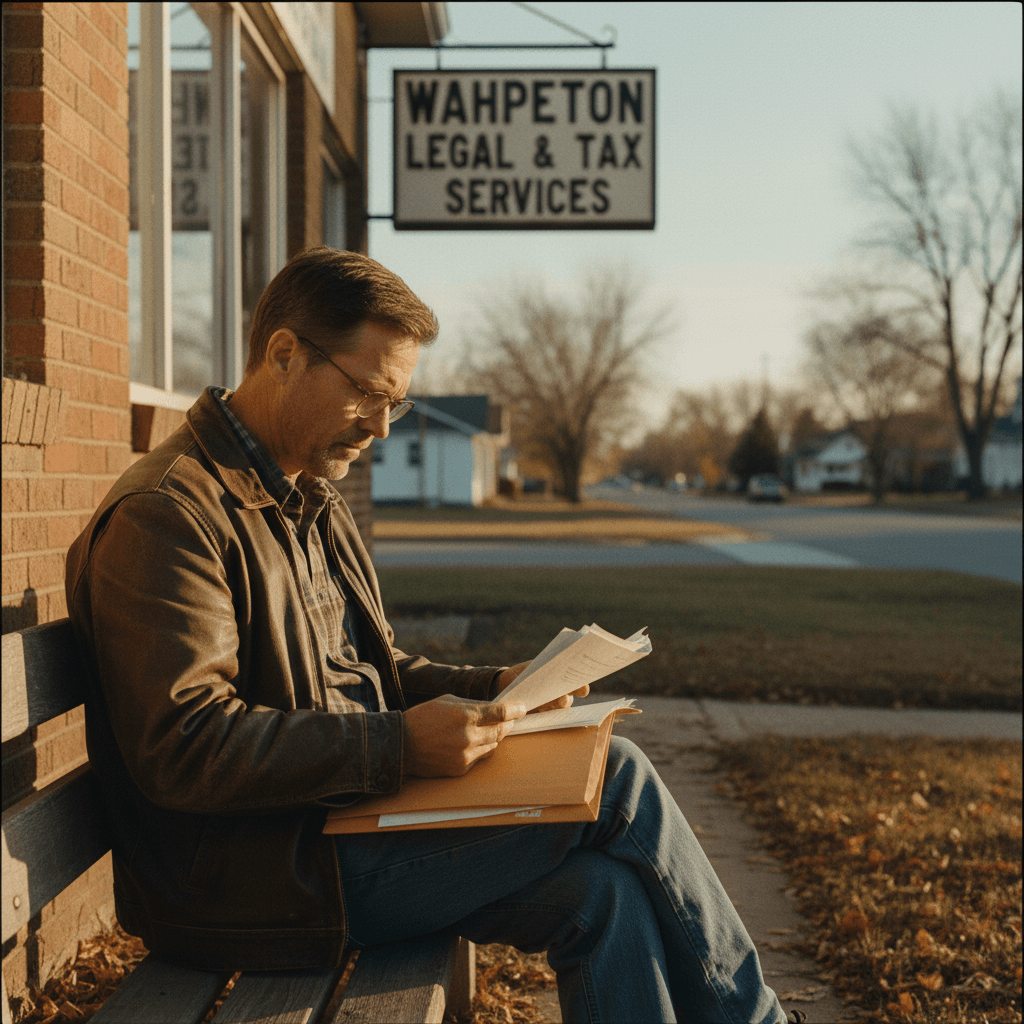
Understanding Property Taxes in Wahpeton, ND
Property taxes represent a significant ongoing cost of homeownership and are fundamental to funding local services in Wahpeton and Richland County. North Dakota employs a unique property tax system that can be complex, particularly for those new to the state or unfamiliar with its nuances. A clear understanding of how these taxes are assessed, calculated, and collected is the first step in effective financial management. Learn more about The Financial Benefits of Downsizing to a Smaller Home....
Assessment and Valuation Methods in Richland County
In Wahpeton, property taxes are levied based on the assessed value of your property, which is determined by the Richland County Assessor's Office. This assessment aims to reflect the property's true and full value, or market value, as of February 1st each year. Unlike some states that rely heavily on recent sales data, North Dakota's assessment process also considers factors such as the property's condition, size, age, and any improvements. The assessor's office utilizes mass appraisal techniques, combining sales comparisons with cost and income approaches, to ensure equitable valuations across the county.
It's important to note that the assessed value is not necessarily the same as the market price you might pay or sell for. Once the true and full value is established, it is reduced by 50% to arrive at the taxable value. This taxable value is then subject to the mill levy. Understanding your property's assessed value and knowing your rights to appeal if you believe it is inaccurate is a crucial financial safeguard. According to recent data from the North Dakota Tax Department, property tax revenues continue to be a primary funding source for local government, underscoring the importance of accurate assessment for both homeowners and the community.
Tax Rates (Mill Levies) and Payment Schedules
The actual property tax bill in Wahpeton is calculated by applying the local mill levy to your property's taxable value. A 'mill' represents $1 per $1,000 of taxable value. These mill levies are set annually by various taxing authorities, including the city of Wahpeton, Richland County, the Wahpeton School District, and other special taxing districts. The cumulative mill levy can vary significantly depending on your specific location within the city and county, directly impacting your annual tax burden. For example, properties within the Wahpeton city limits and the local school district will have a higher combined mill levy than those in unincorporated areas.
Historically, property tax rates in North Dakota have remained relatively stable, though local levies can fluctuate based on budgetary needs. Payments are typically due in two installments: the first half by March 1st and the second half by October 15th. However, many homeowners with mortgages incorporate property taxes into their monthly escrow payments, allowing their lender to manage the payments on their behalf. Missing these deadlines can result in penalties and interest, adding unnecessary costs to homeownership. Proactive budgeting and understanding your specific mill levy are key to managing this aspect of your finances. You can often find detailed mill levy breakdowns and payment information through the Richland County Government website.
Navigating Real Estate Law in Richland County
Beyond taxes, the legal framework governing real estate transactions and ownership in Wahpeton is equally critical. From property deeds to zoning regulations, a thorough understanding of these laws helps mitigate risks and ensures smooth, compliant property dealings. The legal landscape here, while rooted in state statutes, often has local interpretations and ordinances that require careful attention.
Key Legal Considerations for Property Transactions
When buying or selling property in Wahpeton, several legal aspects demand attention. The purchase agreement, for instance, is a legally binding contract that outlines the terms of the sale, including price, contingencies, and closing dates. It's advisable to have this document reviewed by a qualified real estate attorney. Furthermore, North Dakota law mandates specific disclosures from sellers regarding known defects or issues with the property. While North Dakota is not a 'disclosure heavy' state compared to some others, understanding what must be disclosed, and what can be asked, is vital for both parties.
Property boundaries, easements, and rights-of-way are also common legal points. Ensuring a clear understanding of these through a professional survey and title examination can prevent future disputes. For instance, properties along the Red River or near agricultural lands might have specific easements for drainage or access that impact land use. Engaging with a local legal expert, such as a firm like Ohnstad Twichell, P.C., can provide invaluable guidance, ensuring all transactional documents are legally sound and your interests are protected throughout the process.
Zoning, Ordinances, and Property Rights in Wahpeton
Wahpeton's municipal code includes specific zoning ordinances that dictate how property can be used and developed within different areas of the city. These regulations define everything from residential density and commercial activity to building heights and setback requirements. For example, properties in the established residential neighborhoods near the North Dakota State College of Science might have different zoning restrictions compared to those in newer developments on the outskirts of town or industrial zones.
Compliance with these ordinances is not optional; violations can lead to fines, stop-work orders, or even forced modifications. Before undertaking any significant renovations or new construction, property owners should consult with the Wahpeton City Planning Department to understand applicable zoning laws and secure necessary permits. Beyond zoning, other local ordinances might cover aspects like noise, waste disposal, and property maintenance, all of which impact a homeowner's rights and responsibilities. Understanding these local rules is crucial for harmonious living and avoiding legal entanglements, ensuring your property use aligns with community standards and legal requirements.
The Wahpeton Closing Process: Financial and Legal Due Diligence
The closing process is the culmination of a real estate transaction, where ownership is transferred, and all financial obligations are settled. For Wahpeton buyers and sellers, this stage requires meticulous attention to detail, as it involves significant financial outlays and legal finalizations. Transparency and preparation are key to a seamless closing.
Essential Costs and Fees Associated with Closing
Closing costs can be a substantial financial hurdle, typically ranging from 2% to 5% of the home's purchase price, though this can vary. In Wahpeton, these costs encompass a variety of fees, including loan origination fees, appraisal fees, inspection fees, title insurance premiums, recording fees paid to the county, and attorney fees. For instance, an appraisal fee, typically ranging from $400-$600, ensures the property's value aligns with the loan amount, protecting both the buyer and the lender. Survey costs, if required, can add another $500-$1000, depending on the complexity of the property. North Dakota is a 'deed and money' state, meaning that the exchange of the deed for the funds happens simultaneously at closing. Learn more about Protecting Your Investment: Calculating Seasonal Home....
Buyers often pay the majority of closing costs, but sellers also incur expenses such as real estate commissions, transfer taxes (if applicable), and their portion of title insurance. Understanding who pays for what is often negotiated in the purchase agreement. It’s highly recommended that both parties receive a detailed breakdown of all closing costs, known as a Closing Disclosure, at least three business days before the closing date. This allows ample time for review and clarification, preventing any last-minute financial surprises. Local lenders like Bell Bank often provide transparent breakdowns of these costs early in the mortgage application process.
The Role of Title Insurance and Escrow in Wahpeton Transactions
Title insurance is a critical component of nearly every real estate transaction in Wahpeton, protecting both the buyer and the lender from potential financial losses due to defects in the property's title. These defects can include undisclosed heirs, forged documents, outstanding liens, or errors in public records – issues that may not surface even after a thorough title search. While a title search is performed to uncover such problems, title insurance provides an extra layer of security against unforeseen future claims. For instance, if a past owner had an outstanding judgment against them that was improperly recorded, title insurance would protect the new owner from that claim.
Escrow services, often provided by title companies, are equally vital. An escrow agent acts as a neutral third party, holding funds and documents until all conditions of the sale are met. This ensures that the buyer's funds are not released until the deed is properly recorded, and the seller does not transfer the deed until payment is secured. Local businesses like Wahpeton Abstract & Title Co. play a crucial role in facilitating these services, ensuring that the closing process is handled professionally and securely, safeguarding the financial interests of all parties involved.
State and Local Relief: Homestead Exemptions and Tax Programs
While property taxes are a given, Wahpeton homeowners may be eligible for various state and local programs designed to alleviate some of the financial burden. Understanding and utilizing these relief options can lead to significant savings, enhancing the affordability of homeownership.
Qualifying for Property Tax Relief in North Dakota
North Dakota offers several property tax relief programs, with the most prominent being the Homestead Credit. This program provides a reduction in the taxable value of a primary residence for qualifying homeowners. Eligibility typically depends on factors such as age (65 or older) or disability status, combined with income limitations. For example, a homeowner aged 65 or older with a household income below a certain threshold may qualify for a reduction in their home's taxable value, directly lowering their property tax bill. The exact income limits and credit amounts are adjusted periodically, so it's essential to check the most current guidelines provided by the North Dakota Tax Department or the Richland County Assessor's Office. Applying for this credit usually involves filing an application by a specific deadline, often by November 1st, for the following tax year.
Beyond the Homestead Credit, other specific exemptions may exist for veterans with disabilities or certain agricultural properties. While not all homeowners will qualify for these specific programs, awareness of their existence is vital for maximizing financial benefits. These programs are designed to support vulnerable populations and reduce the financial strain of property ownership, contributing to the overall stability of communities like Wahpeton.

Understanding North Dakota's Property Tax Credit
In addition to the Homestead Credit, North Dakota has implemented a broader Property Tax Credit, often referred to as the 'Property Tax Relief' program, which is available to a wider range of homeowners. This credit is designed to provide a direct reduction on a portion of your property tax statement, without the stringent age or income requirements of the Homestead Credit. The amount of this credit can vary year-to-year based on legislative decisions and state revenues. For instance, recent legislative sessions have seen discussions and enactments aimed at providing more substantial property tax relief to North Dakota residents, a reflection of the state's economic performance and commitment to its homeowners.
This credit is typically applied automatically to your property tax statement, provided your property is your primary residence. It reduces the amount of tax you owe by a certain percentage or a flat dollar amount, acting as a direct subsidy. While the specifics can change, the intent remains consistent: to make homeownership more affordable across the state. Homeowners in Wahpeton should review their annual tax statements carefully to ensure this credit has been applied correctly. Further information can be obtained from local government offices or the North Dakota Tax Department, ensuring you fully benefit from these statewide initiatives designed to ease the financial burden of property taxes.
Long-Term Financial Planning: Estate and Property Transfer
Owning property in Wahpeton extends beyond immediate tax and legal obligations; it's a significant asset that plays a crucial role in long-term financial and estate planning. Thoughtful consideration of how your property will be managed and transferred in the future can prevent disputes, minimize tax liabilities, and ensure your legacy aligns with your wishes.
Wills, Trusts, and Inheritance Considerations
For Wahpeton homeowners, establishing a clear estate plan is fundamental. A Last Will and Testament dictates how your property, including your home, will be distributed upon your passing. Without a will, North Dakota's intestacy laws will determine asset distribution, which may not align with your intentions. For example, if you have a blended family, the state's default rules might lead to unintended beneficiaries or lengthy probate processes.
Trusts offer another powerful tool for property owners, providing greater control over asset distribution, potentially avoiding probate, and offering privacy. A revocable living trust, for instance, allows you to transfer your Wahpeton property into the trust while retaining control during your lifetime, with specific instructions for its management and distribution to heirs upon your death. This can be particularly beneficial for complex estates or for those wishing to provide for minor children or beneficiaries with special needs. Consulting with an estate planning attorney is crucial to determine the most suitable strategy for your specific circumstances, ensuring your Wahpeton home is handled according to your wishes and with minimal financial impact on your beneficiaries.
Gifting Property and Capital Gains Implications
The decision to gift property, whether during your lifetime or through inheritance, carries significant financial and legal implications, particularly concerning capital gains taxes. If you gift a property during your lifetime in Wahpeton, the recipient typically inherits your original cost basis (the price you paid for it plus improvements). This means that if they later sell the property, they might face a substantial capital gains tax liability on the appreciation from your original purchase price. For example, if you bought a home for $150,000 and it's worth $300,000 when you gift it, the recipient's basis is still $150,000.
Conversely, property inherited through an estate typically receives a 'stepped-up' basis, meaning its value is re-adjusted to the fair market value at the time of the original owner's death. This can significantly reduce or even eliminate capital gains tax for the heirs if they choose to sell the property shortly after inheritance. For instance, if that same $150,000 home is worth $300,000 at your death, the heir's basis becomes $300,000, and they would only pay capital gains on any appreciation beyond that new basis. Understanding these distinctions is crucial for tax-efficient wealth transfer. Strategic planning, potentially involving a financial advisor or a tax professional, can help Wahpeton homeowners navigate these complex rules to achieve their financial and legacy goals. The Wahpeton Chamber of Commerce can often connect residents with local financial planning resources that understand North Dakota's specific tax environment.
Future Outlook: Market Trends and Tax Policy in Wahpeton
The financial landscape for Wahpeton homeowners is dynamic, influenced by broader economic trends and evolving tax policies. Staying informed about these potential shifts is vital for proactive financial management and strategic decision-making regarding your property.
Economic Factors Influencing Property Values and Taxes
Wahpeton's property market is intrinsically linked to local economic health. Factors such as employment rates, population growth, and the stability of key industries (e.g., agriculture, manufacturing, education through NDSCS) directly impact demand for housing and, consequently, property values. For example, a strong job market fueled by local businesses can drive up home prices, increasing property assessments and potentially leading to higher tax bills, even if mill levies remain constant. Conversely, economic downturns can put downward pressure on values. Recent data from the North Dakota Department of Commerce indicates steady, albeit modest, population growth in the region, suggesting a stable demand for housing.
Interest rate fluctuations also play a significant role. Higher interest rates can cool the housing market by making mortgages more expensive, potentially slowing property value appreciation. However, they can also impact the cost of local government borrowing, which could indirectly influence future tax levies. Wahpeton's resilience, partly due to its diversified economic base and proximity to larger metropolitan areas like Fargo, positions it well to weather various economic cycles. Homeowners should monitor these economic indicators, perhaps through local economic reports or financial news, to anticipate potential impacts on their property's value and their tax obligations.
Potential Legislative Changes and Their Impact
Property tax policy in North Dakota is subject to legislative review and change, often influenced by state budgets, homeowner advocacy, and economic conditions. In recent years, there have been ongoing discussions in the North Dakota Legislature about various forms of property tax reform, including potential caps on assessment increases or further expansions of property tax credits. For instance, during the 2023 legislative session, several bills were introduced aimed at providing additional property tax relief, reflecting a statewide interest in easing homeowner burdens.
While specific outcomes are never guaranteed, these discussions highlight a continuous effort to balance local funding needs with taxpayer affordability. Any significant legislative changes could directly impact Wahpeton homeowners, either through altered assessment methodologies, new credit programs, or adjustments to mill levy limitations. Staying informed through official state government channels or engaging with local homeowner associations can help residents anticipate and prepare for these potential shifts. Proactive engagement with these policy discussions ensures homeowners are not caught off guard by changes that could affect their financial planning. It's an ongoing process where the voice of the community, through avenues like local town hall meetings, helps shape the financial future of property ownership.
Conclusion
Navigating the landscape of property taxes and real estate law in Wahpeton, ND, requires vigilance and informed decision-making. From understanding the nuances of local assessment and mill levies to meticulously managing the closing process and planning for future estate transfers, each step has significant financial and legal implications. Wahpeton offers a stable environment for homeowners, supported by a growing economy and community resources. However, maximizing the financial benefits of homeownership here, and mitigating potential risks, demands a proactive approach. By staying informed about local ordinances, leveraging available tax relief programs, and seeking professional guidance when needed, Wahpeton homeowners can ensure their investment remains secure and continues to contribute positively to their long-term financial well-being. This comprehensive understanding empowers property owners to make sound decisions, securing their assets and contributing to the vibrant fabric of our community. Learn more about Navigating Down Payments and Loans: A First-Time....
Related Articles
Frequently Asked Questions
How are property taxes calculated in Wahpeton, ND?
Property taxes in Wahpeton are calculated based on your property's assessed true and full value, which is reduced by 50% to determine the taxable value. This taxable value is then multiplied by the local mill levy, set annually by various taxing authorities including the city, county, and school district.
What are common closing costs for a home purchase in Wahpeton?
Common closing costs in Wahpeton include loan origination fees, appraisal and inspection fees, title insurance premiums for both buyer and lender, recording fees paid to Richland County, and potentially attorney fees. These costs typically range from 2% to 5% of the purchase price, with buyers generally incurring the majority.
What is the Homestead Credit in North Dakota, and who qualifies for it in Wahpeton?
The Homestead Credit is a North Dakota property tax relief program that reduces the taxable value of a primary residence. To qualify in Wahpeton, homeowners typically must be 65 years or older or have a disability, and meet specific income limitations set by the state. Applications are usually filed with the Richland County Assessor's Office by November 1st.
Why is title insurance important for Wahpeton property transactions?
Title insurance is crucial for Wahpeton property transactions because it protects both the buyer and lender from financial losses due to unforeseen defects in the property's title. These defects can include errors in public records, undisclosed liens, or issues with past ownership, which might not be discovered even after a thorough title search.
How do Wahpeton's zoning laws affect property owners?
Wahpeton's zoning laws dictate how properties can be used and developed within different areas of the city. They specify regulations for residential, commercial, and industrial zones, covering aspects like building heights, setbacks, and allowed activities. Property owners must comply with these ordinances to avoid fines or legal issues, and should consult the City Planning Department before any major renovations or construction.
Need help with your real estate journey?
Our team is here to help you navigate the market with confidence.